

Technology grows fast each year. Devices now create huge amounts of data every second. A report from International Data Corporation says the world may create 230-240 zettabytes of data by 2026.
This number shows how fast data grows across the internet. Cloud systems help store and process this data. Yet sending every piece of data to the cloud takes time. This delay slows many digital services.
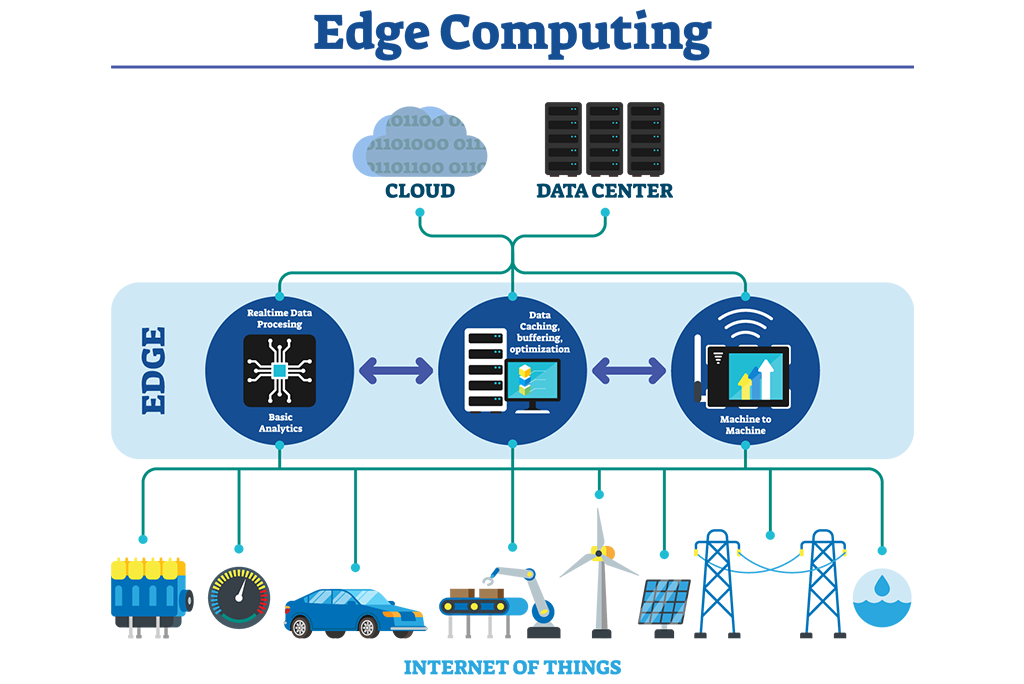
Edge computing solves this problem. It processes data close to where the data appears. A device or a nearby server handles the work instead of a distant data center. This simple change makes many technologies faster and more reliable. People already use edge technology in daily life. Many devices around homes, cities, and businesses rely on it.
The following examples show how edge technology works in real-world technology and how it improves everyday digital experiences.
1. Smart Security Cameras Detect Activity Instantly
Security cameras now do more than record video. Modern cameras analyze video directly on the device and this is a clear example of edge computing, in which a camera with edge technology checks the video feed in real time. It detects motion faces or unusual activity. The system sends alerts to a phone in seconds.
How Edge Processing Helps Security Systems
Edge improves camera systems in many ways.
- Cameras detect motion faster.
- Devices reduce delay in alerts.
- Systems send only important data to the cloud.
- Networks handle less data traffic.
These features make security systems faster and more efficient. A homeowner receives alerts quickly when movement appears. Businesses also monitor stores, warehouses, and offices without delay.
This system works well because the camera processes video at the edge. It does not wait for a remote cloud server to analyze the footage.
2. Self-Driving Cars Process Road Data in Real Time
Contemporary cars are dependent on cameras, sensors and radar. These devices gather a huge volume of data in a second. The vehicle must process this data immediately.
Edge computing makes this possible. The car computer processes sensor data within the car. It recognizes objects, including road signs, traffic lights, and other cars.
Why Edge Matters for Smart Vehicles
Fast decision-making keeps passengers safe. Edge computing allows the vehicle to respond instantly. A self-driving vehicle cannot wait for cloud instructions. Every second matters on the road. This type of computing ensures the car reacts immediately to road conditions.
- Cars detect obstacles quickly.
- Systems process sensor data locally.
- Vehicles reduce the delay in driving decisions.
- Driving systems stay active even with a weak internet.
3. Smart Home Devices Respond Without Delay
Many homes now use smart devices. Smart speakers, thermostats, and lights connect to the internet. These devices often use edge computing to improve response speed. A smart thermostat reads room temperature and adjusts settings instantly. A smart speaker processes voice commands directly on the device. These actions occur within seconds.
Makes Smart Homes Faster
Edge processing allows smart devices to work smoothly.
- Devices process commands quickly.
- Smart systems work even with slow internet.
- Homes reduce data sent to cloud servers.
- Devices protect user privacy by handling data locally.
People enjoy fast responses from smart home technology. The lights turn on quickly. Thermostats adjust temperature instantly. This smooth experience happens because devices process information at the edge.
4. Retail Stores Use Smart Checkout Systems
Retail technology also uses edge computing, where many stores now operate self-checkout systems and smart payment machines. These machines process payments and product data locally. A nearby server or device handles the transaction. The system confirms the purchase without delay.
How Edge Technology Helps Retail Stores
Edge computing improves store operations in several ways.
- Checkout systems complete payments faster.
- Stores reduce network traffic.
- Retailers analyze sales data quickly.
- Systems continue working during internet issues.
Customers enjoy faster checkout experiences. Store staff also monitor inventory and product movement in real time. This type of computing helps retail technology operate smoothly every day.
5. Smart Traffic Lights Improve City Roads
The cities have adopted digital traffic systems to manage road traffic. Smart traffic lights are based on sensors, cameras and local computing devices. These systems examine the flow of traffic at every intersection. Near the road, edge technology processes the data. The traffic light modifies its timing based on the current traffic situation.
Edge Systems Help Manage Urban Traffic
Edge computing improves traffic management in many ways.
- Traffic lights respond to vehicle flow quickly.
- Cities reduce road congestion.
- Systems improve travel time for drivers.
- Emergency vehicles move through traffic faster.
This technology supports modern smart cities. Drivers notice smoother traffic flow at busy intersections.
6. Streaming Services Deliver Faster Video
Video streaming platforms also use edge technology. Watching online video requires fast data delivery. Edge servers store popular videos close to users. These servers process requests and deliver content quickly. Users receive video streams without long loading times.
Improves Streaming Performance
Edge servers support better streaming experiences.
- Videos load faster for viewers.
- Networks handle less traffic.
- Platforms reduce delay in video playback.
- Streaming quality improves for users.
These networks take the video content closer to the viewers. These networks bring video content closer to viewers. The result is smooth streaming on phones, laptops, and smart TVs.
Conclusion
Nowadays, edge computing supports the majority of everyday technologies. It also works with data at the point of origin rather than transmitting all the data to remote cloud servers. This is a mere modification that enhances speed, efficiency and reliability.
Security cameras detect activity quickly. Smart cars analyze road data instantly. Smart homes respond to commands without delay. Retail stores complete payments faster. Traffic systems manage city roads efficiently. Streaming platforms deliver smooth video experiences.
In the years to come, more devices will be based on local processing. This change will make businesses, cities, and homes work more quickly and intelligently. Modern technology is already influenced by edge technology, and its influence will only increase in the future.
