

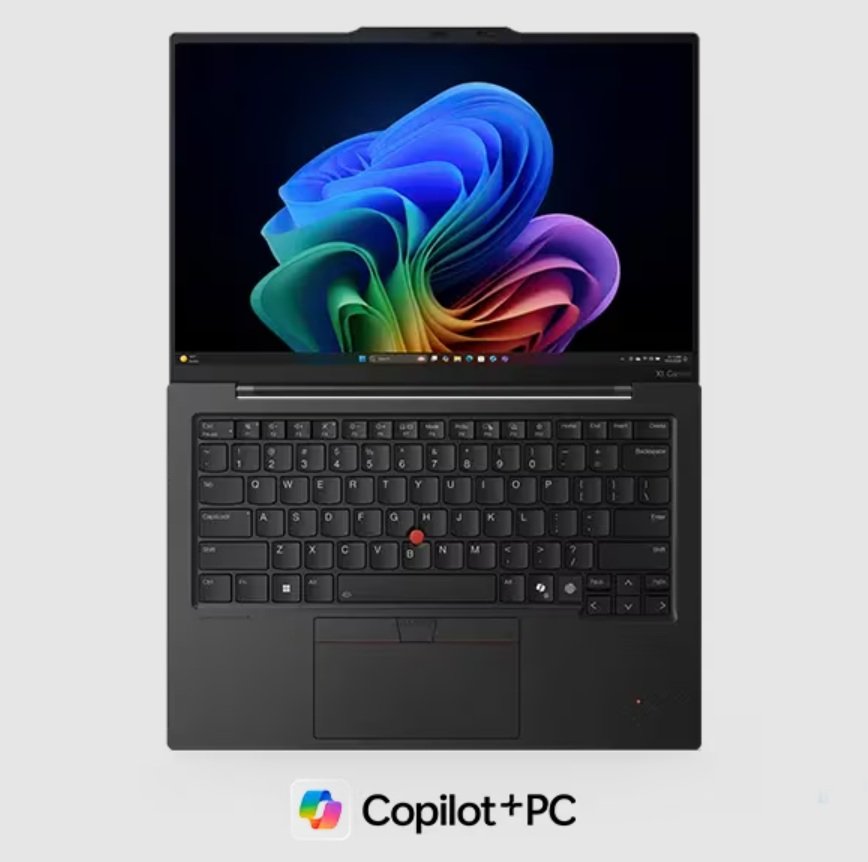
AI-powered PCs are changing how people use computers every single day. These systems no longer just run apps. They now think, learn, and respond in real time. This makes work faster and learning easier.
A new IDC forecast shows shipments of artificial intelligence (AI) PCs, personal computers with specific system-on-a-chip (SoC) capabilities designed to run generative AI tasks locally, growing to more than 167 million units in 2027.
This number keeps rising as users expect smarter machines. People want speed. They want privacy. They want long battery life. AI-powered PCs meet these needs step by step. They process data on the device. They reduce cloud use. They manage heat and power with care. This creates a smooth and friendly experience.
In 2026, these trends will guide how computers grow. They will shape how students learn how teams work and how creators build.
Trend 1: NPUs Become the Core of AI-Powered PCs
Modern computers now rely on dedicated hardware to handle intelligent tasks more efficiently. AI-powered PCs now include a neural processing unit, which focuses solely on AI tasks. It works alongside the CPU and GPU. It handles smart tasks such as voice commands, image cleanup, and live captions. This setup improves performance and reduces the load on other components.
The NPU runs quietly in the background. It supports features users rely on every day. It keeps the system stable during long hours of use. It also uses far less power than a CPU for AI tasks.
Why NPUs Matter for Everyday Computing
The NPU enables AI features to remain active continuously. It supports instant responses. It also keeps the heat low during long sessions. These gains help students stay focused in class. They help workers stay productive at home. The NPU makes AI feel natural and always ready.
Key benefits include
- Faster voice typing.
- Quick face recognition.
- Stable video call effects.
- Smarter battery control.
Trend 2: On-Device AI Becomes the New Standard
AI-powered PCs now run more tasks locally. They no longer depend fully on cloud servers. This change improves speed and privacy. It also keeps systems useful when internet access drops. On-device AI processes data right where it is created. This reduces delay. It also protects personal information. Users gain more control over their data.
Local AI Improves Trust and Speed
Local processing keeps tasks moving smoothly. It supports offline work. It reduces data sharing risks. This trend works closely with NPUs. Together, they build confidence and speed for users of all ages.
Main advantages include
- Faster response time.
- Better data safety.
- Lower network use.
- Reliable performance anywhere.
Trend 3: GPUs Evolve to Support AI Workloads
Modern GPUs now handle more than graphics. They support AI acceleration. They share tasks with the NPU. This balance improves performance for games and creative apps. AI-powered PCs use GPUs for heavy visual tasks. They also use them for AI-driven effects. This includes real-time image scaling and noise reduction.
How GPU and NPU Work Together
The GPU handles complex visuals. The NPU handles smart decisions. The CPU manages the flow. This teamwork boosts efficiency. This design keeps systems fast under pressure. It also prevents overheating during long sessions.
Benefits include
- Smoother gaming scenes.
- Faster video editing.
- Real-time visual effects.
- Better power balance.
Trend 4: AI-Driven Cooling Keeps PCs Cool and Quiet
Cooling systems now use AI models. They track temperature and workload. They adjust fan speed and power levels instantly. This prevents heat buildup. AI-powered cooling reacts before problems start. It keeps the noise low. It also protects internal parts from stress.
Smarter Thermal Control in Action
Sensors send live data to the AI engine. The system responds in real time. This keeps performance steady. This trend supports long workdays and gaming sessions. It also improves overall reliability.
Cooling benefits include
- Stable system speed.
- Lower fan noise.
- Longer hardware life.
- Better comfort for users.
Trend 5: AI Extends Battery Life Through Prediction
AI-powered PCs manage energy with care. They study how users work. They predict which apps need power. They adjust usage in real time. This smart control extends battery life. It also maintains steady performance when unplugged.
Intelligent Power Management Explained
AI reduces power for idle apps. It boosts power only when needed. This balance saves energy. This helps students stay in class all day. It also helps travelers work without worry.
Battery benefits include:
- Longer screen time.
- Faster sleep and wake.
- Less charging stress.
- Stable speed on battery.
Trend 6: Hardware-Level AI Security Grows Stronger
Security now starts inside the chip. AI-powered PCs use hardware-based models to detect threats. They monitor behavior patterns instead of just files. This approach blocks risks early. It protects users from new types of attacks.
How AI Protects PCs From Inside
AI watches system activity. It spots unusual actions quickly. It responds before damage happens. This builds trust for home and work users. It keeps sensitive data safe.
Read Also: 8 Lifecycle Decisions That Matter More with an AI Computer
Security features include
- Real-time threat detection.
- Safer login methods.
- Protection from phishing.
- Stronger data isolation.
Trend 7: AI Personalizes the PC Experience
AI-powered PCs learn from user habits. They adjust settings automatically. They improve comfort and speed over time. This personalization makes each PC feel unique. It adapts as needs change.
A Smarter PC That Learns Daily
AI tracks app usage and timing. It adjusts performance and layout. It improves workflow. This creates a friendly and efficient experience. The PC grows with the user.
Personalization benefits include
- Faster app launch
- Better display tuning
- Smarter alerts
- Adaptive performance modes
Conclusion
AI-powered PC trends in 2026 focus on smart balance and user comfort. Each trend supports the next one. NPUs lead AI tasks. On-device AI adds speed and trust. GPUs and cooling systems work together. Battery life improves through prediction.
Security moves into hardware. Personalization ties everything together. These changes connect smoothly. They support learning, work, and creativity. AI-powered PCs now work quietly in the background. This makes computing simple, reliable, and enjoyable for everyone.
