

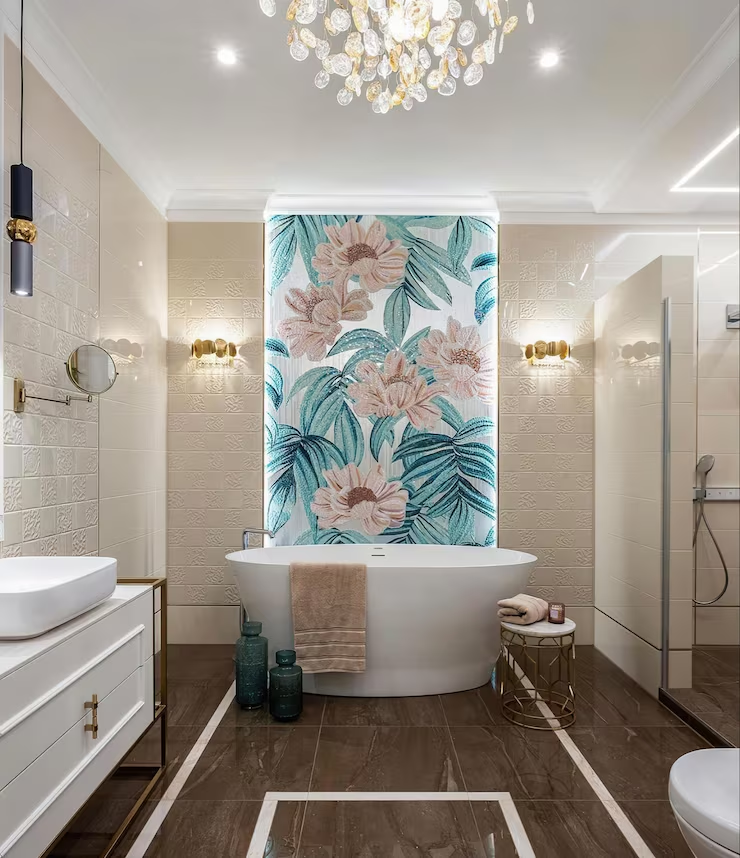
“Design is not just what it looks like and feels like. Design is how it works.” This idea holds for every space, but nowhere more than in a spa bathroom. Many homeowners struggle with creating a bathroom that feels relaxing, inviting, and visually appealing. Choosing the right colors and textures can transform a plain bathroom into a personal sanctuary, yet the process often seems overwhelming. This guide walks through practical strategies to select colors and textures for your spa bathroom wall decor, helping you create a space that promotes calm, balance, and comfort. Are you ready to elevate your bathroom into a retreat?
Understanding the Role of Colors in Your Spa Bathroom
Color is the first element noticed in any room, and it directly affects mood. Soft neutrals, like beige, taupe, and soft grey, create a calming effect and provide a versatile base for other design elements. Shades of blue and green evoke tranquility, often associated with water and nature, which suits the purpose of a spa-inspired bathroom. When selecting colors for spa bathroom wall decor, consider the natural light in the room and the effect of artificial lighting. Lighter shades can make a small bathroom feel larger, while darker hues create a cozy and intimate atmosphere.
Warm vs Cool Tones
Warm tones such as muted gold or soft terracotta add a sense of warmth and comfort, especially in bathrooms with limited natural light. Cool tones like pale blue or sage green provide a refreshing and soothing atmosphere. Pairing warm and cool tones strategically creates contrast while maintaining harmony, enhancing the overall sensory experience of the space.
Using Neutral Bases
Neutral bases like off-white, sand, or soft grey allow for flexibility in décor and accessories. They create a clean backdrop for accents such as towels, plants, or wall art. Neutrals also enhance the effect of textured materials, allowing them to stand out without overwhelming the space.
Choosing Textures for a Relaxing Environment
Texture adds depth to walls and contributes to a tactile experience that complements the visual aspect of your spa bathroom wall decor. Smooth surfaces like polished tiles or plaster provide a clean, minimalistic look, while natural stone or wood panels introduce organic elements that connect with nature. Textured wallpapers can introduce subtle patterns without overpowering the space, adding character and dimension to the bathroom.
Combining Materials
Blending materials, such as stone tiles with wooden accents, creates balance and visual interest. Consider the moisture level in the bathroom; materials like untreated wood or delicate fabrics require protective finishes to withstand humidity. Using textured surfaces strategically behind vanities or feature walls highlights the design without cluttering the room.
Layering for Depth
Layering textures adds dimension and keeps the bathroom visually engaging. For example, combining matte tiles with a glossy backsplash introduces subtle variation. Alternatively, pairing smooth walls with a textured ceiling treatment enhances the sense of luxury while maintaining simplicity.
Harmonizing Colors and Textures
Achieving a cohesive look requires matching colors with complementary textures. Soft, light-colored walls work well with subtle textures, preventing the space from feeling busy. Conversely, darker tones support bold textures, creating focal points that draw attention. Layering materials, like combining matte paint with glossy tiles, enhances dimension and contributes to a tactile experience without overwhelming the eye.
Accent Walls and Features
Feature walls provide an opportunity to experiment with textures while maintaining overall harmony. Using natural stone or mosaic tiles on a single wall adds visual interest and complements neutral-colored walls. Accent walls behind bathtubs or showers create a spa-like effect that emphasizes relaxation and focus within the space.
Coordinating Fixtures
Textures should coordinate with fixtures and fittings. Matte finishes on faucets, showerheads, or towel bars complement textured walls, while polished chrome contrasts nicely against rougher surfaces. These subtle details enhance cohesion, strengthening the spa-inspired atmosphere.
Considering Practicality
While aesthetics is important, durability and maintenance play a crucial role in choosing colors and textures for your spa bathroom wall decor. Tiles and waterproof paints are ideal for wet areas, resisting stains and humidity. Materials that are easy to clean and maintain ensure the bathroom remains visually appealing over time. Textured surfaces should be selected carefully to avoid difficulties in upkeep while maintaining the desired aesthetic.
Moisture and Durability
Bathrooms are high-moisture spaces, so selecting materials that resist water damage is essential. Natural stone treated with sealant or water-resistant wallpapers performs well, while untreated wood or delicate plaster may warp or stain. Durability ensures the bathroom retains its spa quality without frequent repairs.
Lighting and Reflection
Lighting affects how colors and textures appear. Natural light enhances the vibrancy of colors, while artificial lighting may alter the perception of shades. Reflective surfaces like glossy tiles or mirrors amplify light, making the bathroom appear more spacious. Choosing textures and finishes with lighting in mind ensures the color palette maintains its intended effect throughout the day.
Personalizing Your Spa Bathroom
A spa bathroom becomes unique when personalized touches complement the chosen spa bathroom wall decor. Decorative panels, wall-mounted shelving, or integrated niches provide functionality while reinforcing the theme. Select accessories, such as towels, plants, or artwork, that harmonize with wall colors and textures, creating a cohesive and inviting retreat.
Incorporating Natural Elements
Natural elements like stone, bamboo, or reclaimed wood introduce serenity. Plants add freshness and a connection to nature, enhancing the overall calming atmosphere. These elements work in tandem with both color and texture, reinforcing the tranquil, spa-inspired aesthetic.
Case Example
Consider a small bathroom with limited light. Soft grey walls combined with matte stone tiles on one feature wall and wooden accents around the vanity can create an airy, spa-like effect. Adding greenery and neutral-toned accessories completes the transformation, showing how colors and textures work together in practice.
Common Mistakes to Avoid
Many homeowners make errors that compromise the look and feel of a spa bathroom. Overusing bold colors or textures overwhelms the space, while ignoring practicality leads to long-term maintenance issues. Avoid clashing tones, excessive patterns, and materials unsuitable for high-humidity environments. Careful planning ensures the spa bathroom wall decor remains visually appealing, functional, and durable.
Balancing Trends and Timeless Design
While design trends evolve, timeless elements remain effective. Neutral tones, natural textures, and classic materials offer flexibility to update accessories or accent pieces without requiring a complete renovation. This approach ensures a spa-inspired bathroom continues to feel sophisticated and inviting over the years.
Conclusion
Choosing the right colors and textures for your spa bathroom wall decor creates more than just a visually appealing space; it turns an ordinary bathroom into a personal retreat. Integrating thoughtful hues, tactile surfaces, and complementary materials not only enhances relaxation but also ensures functionality and durability.
For homeowners considering a shower remodel in Medina, focusing on these elements guarantees a balanced and harmonious design that elevates everyday routines. Paying attention to lighting, practical finishes, and personal touches allows the bathroom to reflect both comfort and style, making it a worthwhile investment for long-term enjoyment and tranquility.
