

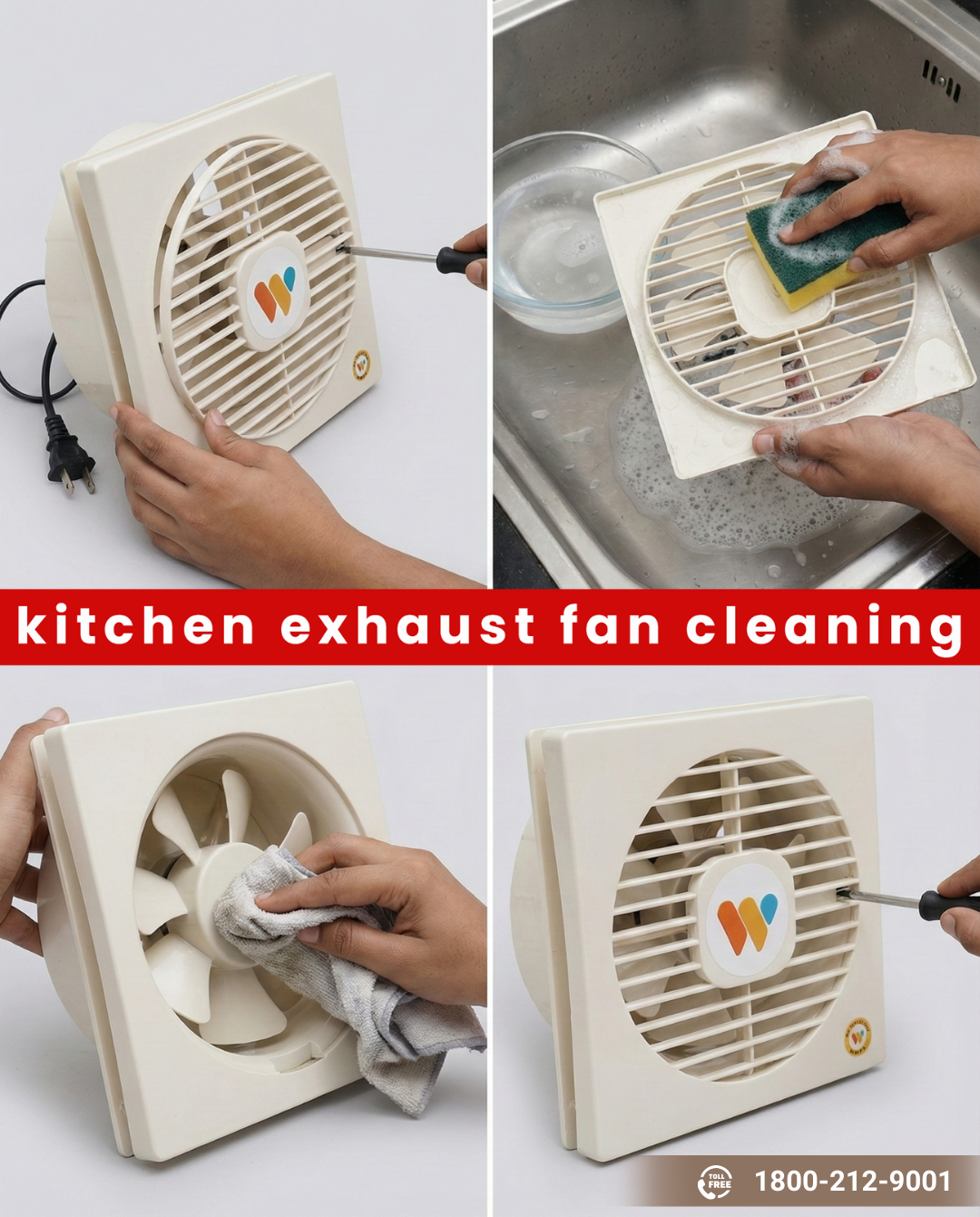
A clean exhaust fan in the kitchen plays a crucial role in maintaining indoor air quality, reducing grease buildup, and keeping the cooking space hygienic. Over time, kitchen exhaust fans collect oil, dust, smoke residue, and food particles, which can reduce efficiency and even pose health risks. Regular cleaning is not just about aesthetics—it directly affects performance, safety, and longevity.
This comprehensive guide explains why it is important to clean exhaust fan kitchen, how often it should be done, step-by-step cleaning methods, tools required, safety precautions, and long-term maintenance tips.
Why Cleaning the Kitchen Exhaust Fan Is Important
Kitchen exhaust fans are designed to remove smoke, heat, steam, and cooking odors from your home. When the fan is clogged with grease and dirt, it struggles to function properly.
Improves Air Quality
Grease and dust accumulation restrict airflow, allowing smoke and harmful particles to linger in the kitchen. A clean exhaust fan ensures proper ventilation, reducing indoor air pollution.
Prevents Fire Hazards
Grease buildup on exhaust fan blades and covers is highly flammable. Regular cleaning significantly lowers the risk of kitchen fires caused by overheated or spark-producing appliances.
Enhances Fan Efficiency
A dirty exhaust fan must work harder to move air, leading to increased electricity consumption and reduced efficiency. Cleaning restores optimal performance.
Reduces Odors
Stale food smells and smoke can cling to greasy fan surfaces. Cleaning helps eliminate lingering odors and keeps the kitchen fresh.
Extends Fan Lifespan
Proper maintenance reduces wear and tear on the motor and moving parts, preventing costly repairs or premature replacement.
How Often Should You Clean a Kitchen Exhaust Fan?
The frequency of cleaning depends on cooking habits and kitchen usage.
- Light cooking (once or twice daily): Clean every 3–4 months
- Heavy cooking (daily frying or grilling): Clean monthly
- Commercial or shared kitchens: Weekly or bi-weekly cleaning
If you notice reduced airflow, excessive noise, or visible grease dripping, it is time to clean the exhaust fan immediately.
Tools and Materials Needed
Before starting, gather the following items:
- Screwdriver (if the cover is screwed in place)
- Dishwashing liquid or degreasing cleaner
- Baking soda
- White vinegar
- Warm water
- Soft brush or old toothbrush
- Microfiber cloth or sponge
- Paper towels or dry cloth
- Rubber gloves
- Plastic basin or bucket
Safety Precautions Before Cleaning
Safety is essential when cleaning electrical appliances.
- Switch off the exhaust fan and unplug it if possible.
- Turn off the power supply from the main switch.
- Allow the fan to cool completely before touching it.
- Use gloves to protect your hands from grease and sharp edges.
- Avoid using excessive water near the motor.
Step-by-Step Guide to Clean Exhaust Fan Kitchen
Step 1: Remove the Exhaust Fan Cover
Most kitchen exhaust fans have a detachable front cover or grill.
- Unscrew or gently unclip the cover.
- Place screws in a safe container to avoid losing them.
- Carefully pull the cover away from the fan.
If the cover is fixed, clean it in place using a damp cloth.
Step 2: Soak the Cover in Degreasing Solution
Grease buildup is often thick and sticky.
- Fill a basin with warm water.
- Add dishwashing liquid and two tablespoons of baking soda.
- Submerge the cover and let it soak for 15–30 minutes.
For extremely greasy covers, add a cup of white vinegar to the solution.
Step 3: Clean the Fan Blades
Fan blades collect the most grease and dust.
- Use a damp cloth or sponge dipped in degreaser.
- Gently wipe each blade while holding it steady.
- Use a soft brush or toothbrush for corners and hard-to-reach areas.
Avoid spraying water directly onto the motor or wiring.
Step 4: Scrub and Rinse the Cover
After soaking:
- Use a brush or sponge to scrub the cover thoroughly.
- Focus on mesh or grille areas where grease accumulates.
- Rinse under clean water until all residue is removed.
- Dry completely using a clean towel.
Step 5: Clean the Exhaust Fan Housing
The housing surrounding the fan often collects dust and oil.
- Wipe the interior surfaces with a damp cloth.
- Use vinegar-water solution for stubborn stains.
- Dry the area completely before reassembly.
Step 6: Reassemble and Test the Fan
Once all parts are clean and dry:
- Reattach the cover securely.
- Tighten screws carefully.
- Restore power and turn on the fan.
- Check airflow and noise level.
A clean fan should run smoothly and quietly.
Natural Cleaning Solutions for Kitchen Exhaust Fans
If you prefer chemical-free cleaning, natural solutions work effectively.
Baking Soda and Vinegar
- Cuts through grease naturally
- Safe for metal and plastic surfaces
- Eliminates odors
Lemon Juice
- Breaks down oil residues
- Leaves a fresh scent
- Ideal for light cleaning
Hot Water Steam
- Softens hardened grease
- Makes scrubbing easier
- Useful for regular maintenance
Common Mistakes to Avoid
When cleaning a kitchen exhaust fan, avoid these errors:
- Not disconnecting power before cleaning
- Using abrasive scrubbers that damage surfaces
- Spraying water directly on the motor
- Reassembling parts while still wet
- Ignoring regular cleaning schedules
Signs Your Kitchen Exhaust Fan Needs Cleaning
Watch for these warning signs:
- Weak airflow or smoke not clearing
- Loud or rattling noises
- Grease dripping from the fan
- Persistent cooking odors
- Visible dirt on the cover or blades
Ignoring these signs can lead to reduced performance and safety hazards.
Benefits of Maintaining a Clean Exhaust Fan in the Kitchen
Regular cleaning offers long-term advantages:
- Healthier cooking environment
- Lower electricity consumption
- Reduced fire risk
- Improved kitchen hygiene
- Longer appliance lifespan
A clean exhaust fan also enhances the overall appearance of your kitchen.
Professional Cleaning vs DIY Cleaning
DIY Cleaning
- Cost-effective
- Suitable for regular maintenance
- Requires time and effort
Professional Cleaning
- Ideal for heavily soiled or commercial fans
- Deep cleaning of internal components
- Saves time and ensures thorough results
For most households, DIY cleaning every few months is sufficient.
Tips to Keep Your Kitchen Exhaust Fan Clean Longer
- Turn on the fan while cooking to prevent grease buildup
- Wipe the exterior weekly with a damp cloth
- Use lids while frying to reduce oil splatter
- Clean filters regularly
- Avoid cooking with excessive oil
Small habits can significantly reduce cleaning frequency.
Conclusion
Keeping your kitchen exhaust fan clean is essential for a healthy, safe, and efficient cooking environment. A clean exhaust fan improves air quality, reduces fire risks, eliminates odors, and extends the lifespan of the appliance. With simple tools, natural cleaners, and regular maintenance, you can ensure your kitchen remains fresh and functional.
Making exhaust fan cleaning a part of your routine kitchen care not only enhances comfort but also protects your home and family. A little effort goes a long way in maintaining a cleaner, safer kitchen.
