

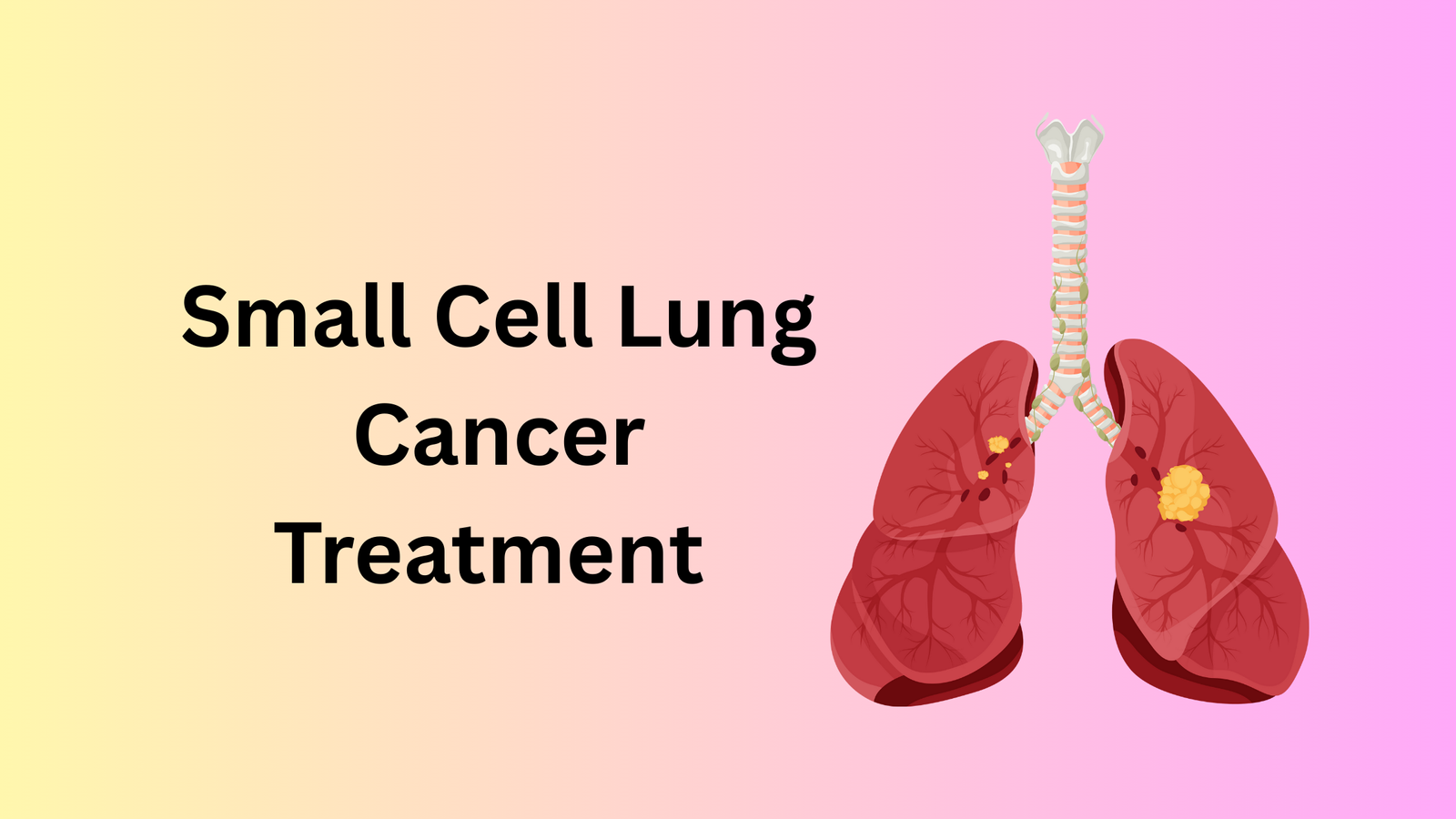
Lung cancer remains one of the leading causes of cancer-related deaths worldwide, and among its types, Small Cell Lung Cancer (SCLC) is particularly aggressive. Although it accounts for a smaller percentage of lung cancer cases, SCLC grows rapidly and often spreads to other parts of the body at an early stage. Understanding its symptoms, diagnosis, and treatment options can significantly improve outcomes when detected early.
What Is Small Cell Lung Cancer?
Small Cell Lung Cancer is a fast-growing form of lung cancer that typically begins in the bronchi, the large airways of the lungs. It is most commonly associated with long-term smoking, though non-smokers can also be affected in rare cases. Due to its rapid progression, SCLC is often diagnosed at an advanced stage.
Common Symptoms of Small Cell Lung Cancer
The symptoms of SCLC may appear suddenly and worsen quickly. Some of the most common signs include:
- Persistent cough or worsening cough
- Chest pain or discomfort
- Shortness of breath
- Coughing up blood
- Fatigue and unexplained weight loss
- Frequent respiratory infections
Because these symptoms can resemble other respiratory conditions, early medical evaluation is crucial.
Diagnosis and Staging
Diagnosing Small Cell Lung Cancer typically involves imaging tests such as chest X-rays, CT scans, PET scans, and MRI, followed by a biopsy to confirm the cancer type. Once diagnosed, doctors determine whether the cancer is limited-stage (confined to one side of the chest) or extensive-stage (spread to other organs), which helps guide treatment decisions.
Treatment Options for Small Cell Lung Cancer
Treatment for SCLC depends on the stage, overall health of the patient, and how far the cancer has spread. Common treatment approaches include:
1. Chemotherapy
Chemotherapy is the primary treatment for most SCLC cases, as this cancer type responds well initially to drug-based therapy.
2. Radiation Therapy
Radiation is often combined with chemotherapy, especially in limited-stage disease, to improve survival rates and control tumor growth.
3. Immunotherapy
Recent advances in immunotherapy have shown promising results by helping the immune system recognize and attack cancer cells more effectively.
4. Supportive and Palliative Care
For advanced cases, treatment may focus on symptom relief, improving quality of life, and managing complications.
Accessing Lung Cancer Treatment in Noida
With the growth of advanced healthcare facilities, lung cancer treatment in Noida has become more accessible and comprehensive. The city is home to modern hospitals, experienced oncologists, and state-of-the-art diagnostic and treatment technologies. Patients can benefit from multidisciplinary cancer care, including medical oncology, radiation oncology, and supportive services—all under one roof.
Early diagnosis, personalized treatment planning, and continuous monitoring play a vital role in improving survival outcomes for Small Cell Lung Cancer patients.
Conclusion
Small Cell Lung Cancer is an aggressive disease, but timely diagnosis and appropriate treatment can make a meaningful difference. Awareness of symptoms, regular health check-ups, and access to specialized oncology care are key factors in managing this condition. For patients seeking reliable and advanced care, exploring expert-led lung cancer treatment in Noida can be an important step toward better health and improved quality of life.
Read more: Types of Lung Cancer: A Complete Guide
