

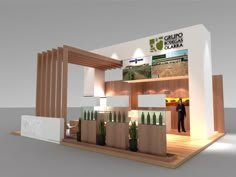
Munich has earned a strong reputation as one of Europe’s most influential trade fair cities, hosting globally recognized exhibitions across industries such as technology, engineering, mobility, healthcare, and design. The city’s exhibition culture is defined by high expectations, strict regulations, and an audience that values clarity and quality. In this environment, stand design is not just about visual appeal; it becomes a strategic tool for communication. Companies participating in Munich fairs quickly learn that thoughtful planning, often guided by insights similar to those used by an Exhibition Stand Builder in Munich, plays a major role in how effectively a brand is perceived on the show floor.
Munich’s Exhibition Landscape and Its Standards
Munich trade fairs are known for their scale and professionalism. Venues such as Messe München attract international exhibitors and visitors who are accustomed to well-organized spaces and precise execution. This creates a competitive setting where poorly planned stands struggle to gain attention. Unlike smaller regional events, Munich exhibitions demand compliance with technical guidelines, safety standards, and spatial discipline. Exhibitors must consider ceiling heights, load-bearing limits, fire regulations, and visitor flow from the earliest planning stages. These factors reward exhibitors who invest time in structured design thinking rather than last-minute setups.
Why Planning Matters More Than Decoration
In Munich exhibitions, planning outweighs decoration. While striking visuals help attract attention, they cannot compensate for confusing layouts or impractical structures. A well-planned stand considers how visitors move, where conversations naturally happen, and how information is absorbed. Clear zoning for product display, demonstrations, and discussions ensures that the stand supports business goals rather than distracting from them. Munich’s audience often includes decision-makers and technical experts who value efficiency. A stand that communicates clearly and allows smooth interaction is more likely to leave a lasting impression than one that relies only on bold graphics.
Functionality as a Design Priority
Functionality is a defining feature of successful stands at Munich exhibitions. Exhibitors must think beyond appearance and focus on usability. Storage areas, staff accessibility, lighting placement, and power supply integration are all practical considerations that influence the visitor experience. Munich fairs often run for several days, making comfort and durability important. Thoughtful planning ensures that the stand remains effective throughout the event, supporting long conversations, repeated demonstrations, and consistent brand messaging without appearing cluttered or worn.
Audience Expectations in Munich Trade Fairs
Visitors at Munich exhibitions tend to be informed and purpose-driven. Many arrive with specific objectives, such as evaluating suppliers, comparing technologies, or exploring partnerships. This audience rewards stands that respect their time. Clear signage, intuitive layouts, and concise messaging help visitors quickly understand what is being offered. Overcrowded designs or unclear themes can discourage engagement. Well-planned stand design aligns visual elements with the expectations of a professional audience, making information easy to find and interactions more meaningful.
The Role of Sustainability and Compliance
Sustainability has become an increasingly important aspect of exhibitions in Munich. Organizers and visitors alike pay attention to material choices, waste reduction, and energy efficiency. Well-planned stand design incorporates reusable structures, modular elements, and environmentally responsible materials. Planning ahead also helps exhibitors comply with local and venue-specific regulations related to sustainability and construction. This proactive approach reduces last-minute changes and ensures smoother approvals, which is particularly important in a city known for its strict exhibition standards.
How Layout Influences Brand Perception
In Munich exhibitions, layout directly influences how a brand is perceived. Open and welcoming designs signal transparency and confidence, while cramped or disorganized spaces may suggest a lack of preparation. Strategic placement of key elements, such as product highlights or interactive zones, guides visitors naturally through the stand. Planning helps create a narrative, allowing visitors to understand the brand story step by step. This structured experience is often more memorable than a visually busy stand without a clear purpose.
Technology Integration Through Planning
Many Munich trade fairs focus on advanced industries where technology plays a central role. Integrating digital displays, interactive screens, or live demonstrations requires careful planning. Power requirements, cable management, and visibility must be considered early in the design process. A well-planned stand ensures that technology enhances communication rather than causing distractions or technical issues. This level of preparation is especially valued in Munich, where innovation and precision are closely linked.
Conclusion
Munich exhibitions consistently reward exhibitors who approach stand design as a strategic process rather than a decorative task. From strict regulations and professional audiences to sustainability expectations and technological integration, the city’s trade fairs set a high benchmark. Careful planning allows exhibitors to meet these demands while creating clear, functional, and engaging spaces. Insights commonly applied by an Exhibition Stand Builder in Germany highlight that success in Munich comes from understanding the environment, respecting the audience, and designing with purpose. In such a setting, well-planned stand design is not just appreciated—it is essential.
