

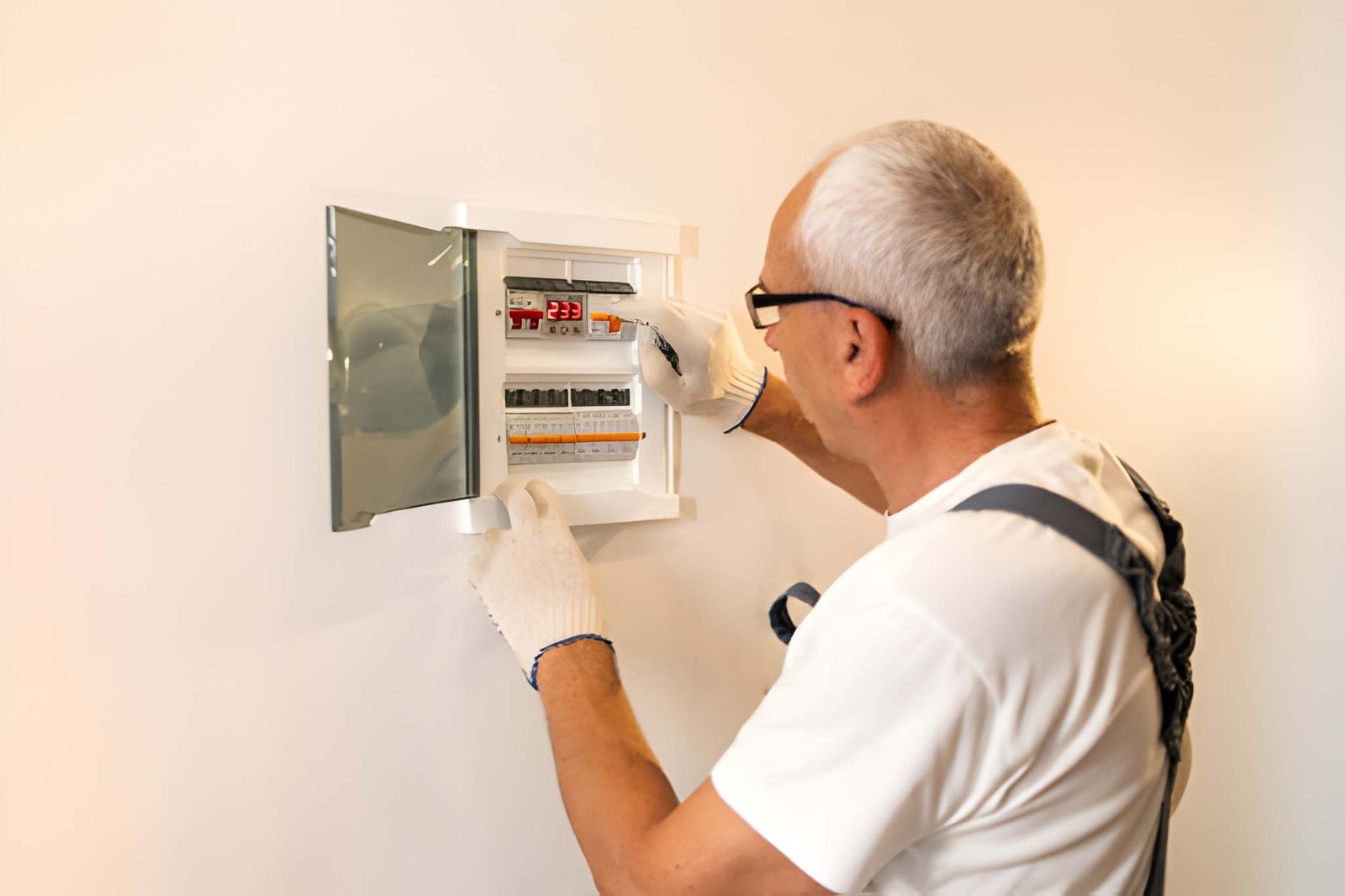
Electrical safety is a core responsibility for anyone owning or managing property in London. In established neighbourhoods such as Canonbury, where period homes sit alongside converted flats and rental properties, electrical systems are often under greater strain than many owners realise. Understanding EICR in Canonbury is therefore essential for landlords, homeowners, and UK residents who want to remain compliant, protect occupants, and preserve long-term property value.
What an EICR is and Why It Matters
An Electrical Installation Condition Report (EICR) is a formal assessment of a property’s fixed electrical installation. Its purpose is to confirm whether the system is safe for continued use and to identify defects that could cause electric shock, fire, or equipment failure.
What Is Included in an EICR
An inspection typically covers:
- Fixed wiring and cable insulation
- Consumer units, fuse boards, and circuit protection
- Earthing and bonding arrangements
- Permanently connected electrical equipment
In many older London properties, parts of the system may be decades old, making regular inspection essential rather than optional.
Why Electrical Safety Is Especially Important in Canonbury
Canonbury is known for its Victorian and Georgian housing stock, much of which has been modernised incrementally over time. Extensions, loft conversions, and flat subdivisions can place unexpected demand on original wiring systems.
For this reason, EICR in Canonbury plays a critical role in identifying hidden risks that are not visible during everyday use. Electrical faults remain one of the most common causes of residential fires in the UK, and older installations are statistically more vulnerable.
Legal Responsibilities for Landlords
Mandatory Electrical Safety Rules
Under current English regulations, landlords must:
- Ensure electrical installations are safe at the start of a tenancy
- Obtain an EICR at least every five years
- Provide a copy of the report to tenants within 28 days
- Supply the report to local authorities when requested
If serious faults are identified, remedial work must be completed within the timeframe specified in the report. For rental accommodation, EICR in Canonbury is a legal requirement, not a discretionary safety check.
Failure to comply can lead to enforcement notices and significant financial penalties.
Homeowners: When an EICR Is Strongly Recommended
Although homeowners are not legally required to obtain an EICR, there are clear situations where it is highly advisable.
Common Triggers for an Inspection
- Buying or selling a property
- Carrying out major renovation or rewiring
- Living in a property over 25 years old
- Experiencing frequent electrical issues such as tripping circuits
An EICR provides documented evidence of safety, which can support insurance, mortgage, and resale processes.
Understanding EICR Codes and Outcomes
EICR reports use standard classification codes to indicate the severity of any issues found.
Key Codes Explained
Danger Present
An immediate risk to safety requiring urgent action.
Potentially Dangerous
A fault that could become hazardous under certain conditions.
Improvement Recommended
Not unsafe, but below current standards.
Further Investigation Required
Additional checks needed to confirm safety.
Any report containing C1, C2, or FI observations is deemed unsatisfactory and must be addressed. Proper interpretation of these results is central to managing EICR in Canonbury responsibly.
Common Electrical Issues Found in Canonbury Properties
Inspections in this area frequently identify:
- Outdated consumer units lacking modern RCD protection
- Inadequate earthing and bonding
- Overloaded circuits due to increased appliance use
- DIY or undocumented electrical alterations
- Degraded insulation on ageing wiring
These issues are especially common in converted flats, where electrical systems have evolved without full redesign.
EICR for HMOs and Multi-Occupancy Buildings
Houses in Multiple Occupation carry increased electrical risk because of shared facilities and higher demand.
Additional Considerations for HMOs
- Greater electrical load on circuits
- Increased fire risk
- Stricter local authority oversight
For HMOs, maintaining a valid EICR in Canonbury is often linked directly to licensing and ongoing permission to operate.
How Often an EICR Should Be Carried Out
Recommended inspection intervals are:
- Rental properties: every five years or at change of tenancy
- Owner-occupied homes: every ten years
- HMOs: every five years or as specified by licence conditions
Earlier inspections are sensible following major electrical work or when warning signs such as overheating sockets appear.
Choosing the Right Electrical Inspection Provider
Selecting a competent inspector is as important as the inspection itself. Property owners should look for:
- Proper accreditation and registration
- Clear, written reports with practical explanations
- Experience with older London properties
Many landlords choose London Property Inspection because of its structured reporting, regulatory awareness, and familiarity with Canonbury’s housing profile.
The Long-Term Benefits of Compliance
Approaching electrical inspections strategically delivers long-term value:
- Reduced risk of fire and injury
- Stronger legal protection for landlords
- Increased tenant confidence
- Improved resale and refinancing prospects
Treating EICR in Canonbury as part of planned property maintenance rather than a reactive obligation leads to safer and more cost-effective outcomes.
Final Perspective
Electrical safety is an ongoing responsibility that directly affects lives, legal standing, and property value. With older buildings and evolving electrical demands, EICR in Canonbury has become a vital safeguard rather than a procedural formality.
By working with knowledgeable professionals such as London Property Inspection, landlords and homeowners can remain compliant, reduce risk, and maintain safe living environments in one of London’s most established residential areas.
Frequently Asked Questions (FAQs)
1. Is an EICR legally required for all Canonbury properties?
It is mandatory for privately rented properties. Homeowners are not legally required but are strongly encouraged to obtain one.
2. What happens if my EICR is unsatisfactory?
Any required remedial work must be completed within the timeframe stated in the report, followed by written confirmation.
3. Can tenants ask to see the EICR?
Yes. Landlords must provide a copy within 28 days or upon request.
4. Does an EICR include portable appliances?
No. Portable Appliance Testing (PAT) is a separate process.
5. How long does an EICR inspection take?
Most residential inspections take between two and four hours, depending on size and complexity.
6. Will my property fail if it doesn’t meet the latest wiring regulations?
Not necessarily. Only safety-related issues result in an unsatisfactory report.
