

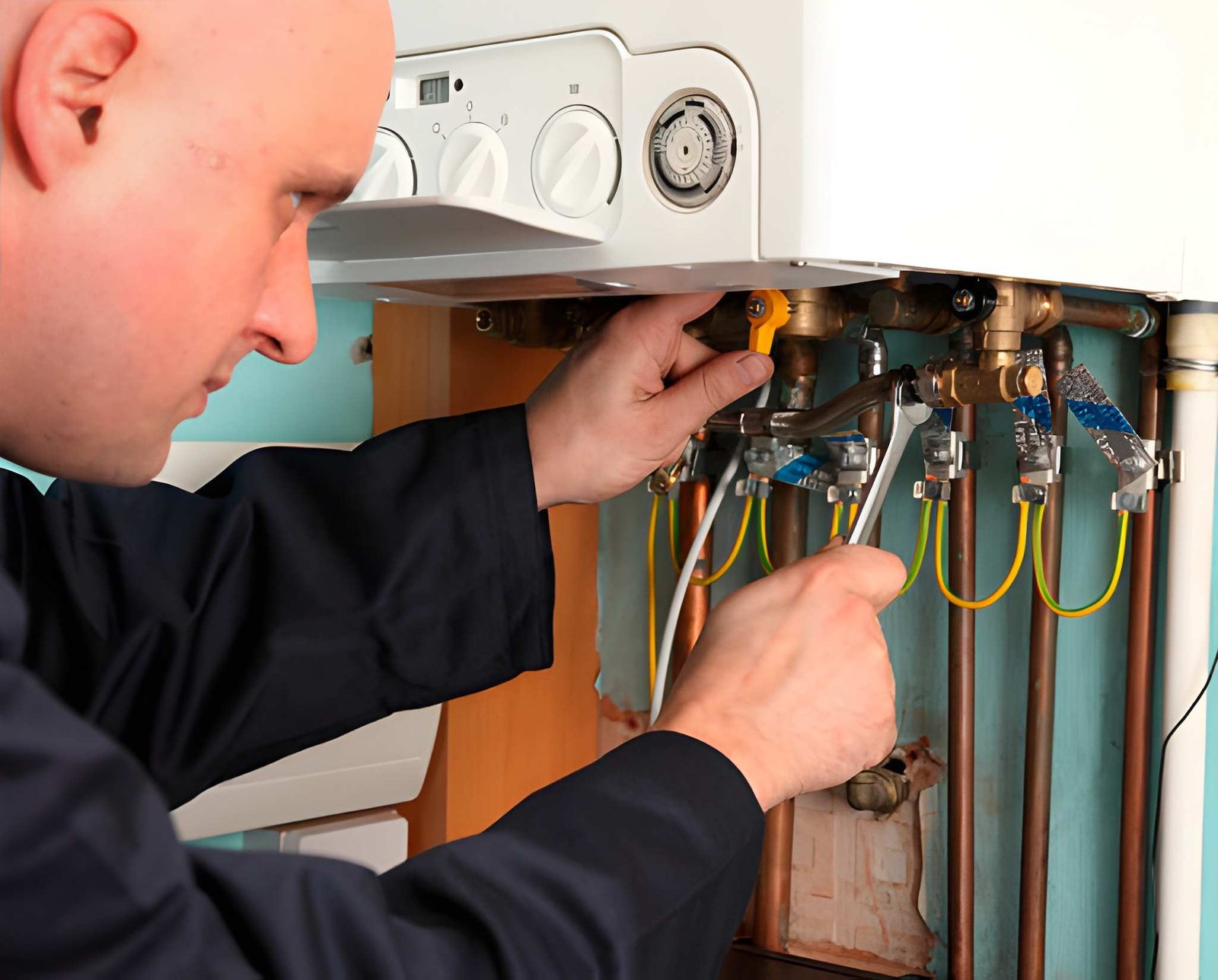
Manor House sits at the crossroads of historic housing stock and modern urban living. With Victorian terraces, post-war estates, and a growing number of private rentals, gas safety in this area carries heightened importance. In 2026, landlords, homeowners, and property managers are expected to demonstrate not only compliance with the law but also a proactive approach to resident safety and asset protection.
A Gas Safety Certificate in Manor House is one of the most important documents underpinning this responsibility. This guide explains how gas safety works in practice, what the law requires, and how property stakeholders can manage compliance intelligently rather than reactively.
Why Gas Safety Is a Critical Issue in Manor House
Manor House properties often reflect decades of alterations, upgrades, and conversions. While these changes improve comfort, they can introduce unseen risks if gas systems are not properly assessed.
Ageing Infrastructure and Hidden Risks
Many homes still rely on older pipework layouts, relocated boilers, or shared flue systems. Over time, wear, corrosion, or poor ventilation can increase the likelihood of faults.
A valid Gas Safety Certificate in Manor House provides assurance that these systems have been professionally checked and deemed safe at the point of inspection.
Density and Occupancy Patterns
Higher occupancy levels, especially in shared homes and flats, increase usage of gas appliances. This places additional strain on systems and heightens the consequences of failure.
Legal Requirements Landlords Must Follow in 2026
Gas safety law in England remains strict, and enforcement is particularly active in London boroughs with high rental activity.
Annual Gas Safety Checks
Landlords are legally required to arrange an annual gas safety inspection conducted by a Gas Safe registered engineer. All fixed gas appliances, flues, and associated pipework must be included.
Holding a current Gas Safety Certificate in Manor House confirms that these obligations have been met within the required timeframe.
Tenant Communication and Documentation
Tenants must receive a copy of the certificate within 28 days of inspection. For new tenancies, the document must be provided before occupation begins. Failure to do so can invalidate certain legal notices and expose landlords to penalties.
Record Retention
Certificates must be retained for a minimum of two years. In practice, many professional landlords keep longer records to demonstrate consistent compliance in the event of disputes or insurance claims.
What a Proper Gas Safety Inspection Involves
Understanding the inspection process helps landlords recognise its value beyond regulatory compliance.
Appliance Safety and Combustion Testing
Engineers assess whether appliances are burning gas correctly. Poor combustion can lead to carbon monoxide production, one of the most serious household hazards.
Flue Integrity and Ventilation
Flues must be correctly installed, unobstructed, and suitable for the appliance type. In Manor House conversions, mismatched or altered flue systems are a common issue.
Emergency Controls and Isolation Valves
Accessible emergency shut-off valves are essential. Inspections confirm these controls are present and functional, enabling rapid response in the event of a leak.
Many landlords choose experienced providers such as gassafetycertificateuk.co.uk to ensure inspections are thorough, compliant, and clearly documented.
How Gas Safety Impacts Property Value and Risk
Gas safety compliance influences more than just legal standing.
Insurance and Liability Protection
Insurers increasingly require proof of valid certification. Without it, claims related to gas incidents may be rejected, leaving landlords financially exposed.
Tenant Confidence and Retention
Tenants are more aware of safety standards than ever. Demonstrating consistent compliance through a valid Gas Safety Certificate in Manor House builds trust and encourages longer tenancies.
Best-Practice Strategies for Ongoing Compliance
Experienced landlords treat gas safety as part of a wider property management strategy.
Renewing Certificates Early
The law allows renewal up to two months before expiry without affecting the annual cycle. Early scheduling helps avoid last-minute access issues.
Addressing Advisory Notes Promptly
Advisory comments highlight potential future risks. Acting on them early reduces the chance of more serious failures later.
Working with Trusted Specialists
Using established providers like gassafetycertificateuk.co.uk allows landlords to streamline inspections, servicing, and compliance reminders into one reliable process.
Common Gas Safety Mistakes to Avoid
Even conscientious property owners can make avoidable errors.
Assuming New Installations Are Automatically Safe
New boilers and appliances still require inspection and certification. Installation alone does not replace annual checks.
Ignoring Shared or Communal Systems
In converted buildings, shared pipework and communal boilers remain the landlord’s responsibility.
Allowing Certificates to Expire
An expired certificate, even briefly, places landlords in breach of regulations and weakens legal protection.
Maintaining a current Gas Safety Certificate in Manor House helps avoid these pitfalls.
Preparing for Future Safety Expectations
While gas regulations may evolve, expectations around accountability and documentation are clearly increasing.
Proactive Appliance Replacement
Replacing ageing boilers before they fail reduces emergency costs and improves safety margins.
Integrated Compliance Planning
Combining gas inspections with electrical safety checks and routine servicing creates a coherent, efficient compliance strategy.
FAQs: Gas Safety in Manor House
Is a Gas Safety Certificate in Manor House legally required for rental properties?
Yes. Any rental property with gas appliances must have a valid certificate.
Who is authorised to issue the certificate?
Only engineers registered with Gas Safe can legally carry out inspections and issue certificates.
How often must inspections be completed?
At least once every 12 months, with early renewal permitted.
What happens if a tenant refuses access?
Landlords must make reasonable efforts and keep written records of attempted access.
Are homeowners legally required to have certificates?
No, but annual checks are strongly recommended for safety and insurance purposes.
What if an appliance fails the inspection?
Unsafe appliances may be disconnected until repaired or replaced.
