

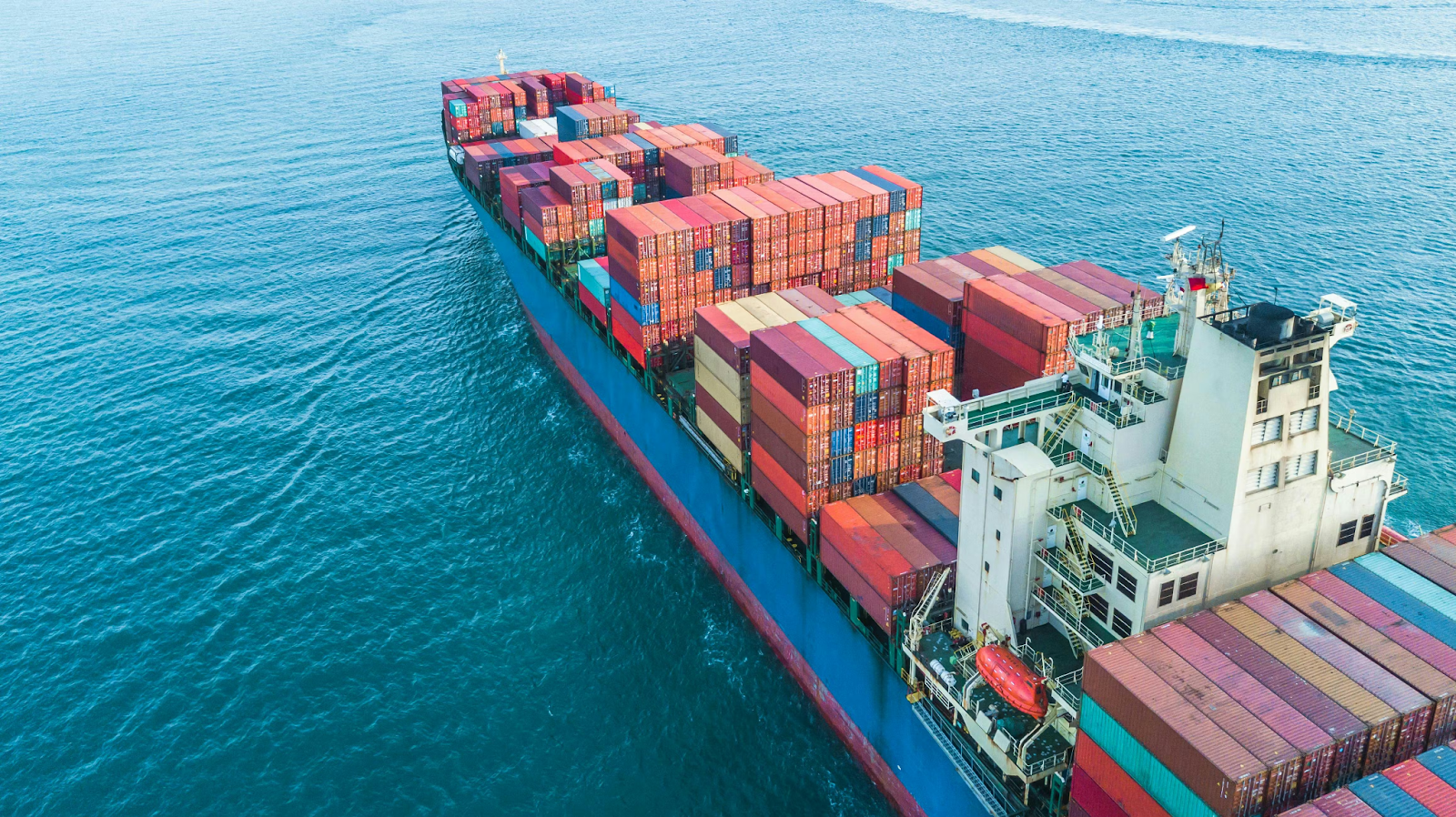
In the world of international trade, shipping delays can disrupt operations, increase costs, and affect customer satisfaction. Businesses seeking smooth and timely transportation of goods increasingly rely on ocean freight forwarding to ensure shipments reach their destinations efficiently. With the ever-growing complexity of global trade, having dependable maritime services is no longer optional; it is a strategic necessity. Companies that invest in reliable maritime logistics gain a competitive edge by maintaining consistent supply chains, meeting customer expectations, and minimizing operational disruptions.
1. Strengthening Logistics Planning for Seamless Operations
Effective logistics planning forms the backbone of timely and reliable shipping. Without careful planning, even small inefficiencies can snowball into significant delays that affect delivery schedules and operational budgets. Businesses that focus on comprehensive planning can anticipate potential challenges and allocate resources effectively to prevent bottlenecks at every stage of the supply chain.
- Route Optimization: Identifying and selecting the most efficient sea routes ensures that shipments avoid congested ports, bad weather zones, and other transit obstacles. Advanced software tools can analyze shipping lanes and port traffic patterns to recommend optimal routes that minimize transit time and reduce fuel costs.
- Scheduling Precision: Coordinating departure and arrival times with port schedules, shipping lines, and local customs operations helps prevent long waiting periods. Companies can leverage predictive scheduling systems to align cargo readiness with vessel availability, avoiding unnecessary storage fees and idle time.
- Inventory Coordination: Effective synchronization between production schedules and shipping timelines prevents delays caused by stock shortages or overstocking. Businesses can use inventory management systems to ensure that goods are available for transport exactly when needed, reducing the risk of delayed shipments due to missing items.
2. Embracing Technology-Driven Solutions
Technology has transformed maritime logistics, enabling businesses to minimize delays and maintain complete visibility over their supply chains. Integrating modern digital solutions into shipping operations empowers businesses to make informed decisions, respond quickly to disruptions, and optimize overall efficiency.
- Shipment Tracking Systems: Real-time tracking provides businesses with detailed updates on cargo location, estimated arrival times, and potential delays. This visibility enables proactive management, such as rerouting shipments or adjusting delivery schedules, ensuring that goods reach their destination on time.
- Data Analytics: Leveraging historical shipping data helps companies identify trends, recurring challenges, and areas for improvement. Predictive analytics can forecast potential delays due to weather, port congestion, or other operational factors, allowing businesses to plan shipments more effectively.
- Digital Documentation: Adopting electronic bills of lading, customs forms, and invoices reduces the risk of lost paperwork and accelerates clearance procedures. Digital documentation not only saves time but also enhances security and traceability for international shipments.
3. Prioritizing Cargo Handling and Packaging
The way cargo is packaged, handled, and organized plays a critical role in preventing delays during transit. Improper packaging or mishandling can result in damaged goods, extended inspections, and regulatory compliance issues, all of which can slow down the shipping process.
- Secure Packaging: Properly packed goods are less likely to incur damage during handling, loading, and unloading. Using durable materials, protective padding, and weather-resistant containers reduces the risk of cargo loss or reshipment, ensuring smooth transit through multiple transport stages.
- Cargo Segregation: Separating items based on type, sensitivity, or hazard classification helps comply with international shipping regulations and reduces delays during inspections. For example, perishable goods may require refrigerated containers, while hazardous materials need specialized storage and handling procedures.
- Labelling and Documentation: Clear labelling and accompanying documents enable faster verification during customs inspections and cargo handling. Accurate product descriptions, quantity details, and shipment instructions help port authorities and carriers process goods efficiently, avoiding unnecessary hold-ups.
4. Maintaining Flexibility in Shipping Options
Flexibility in maritime transport is crucial for adapting to unforeseen circumstances such as port congestion, carrier delays, or sudden changes in shipping regulations. Businesses that plan alternative options can reduce the impact of disruptions and maintain steady supply chain operations.
- Alternative Ports: Identifying multiple port options allows companies to reroute shipments when the primary port is congested or facing operational challenges. This flexibility prevents long delays and keeps delivery schedules intact.
- Multiple Carriers: Partnering with various freight carrier companies ensures that shipments are not dependent on a single carrier. In case one carrier experiences delays or operational issues, businesses can quickly switch to another, maintaining the flow of goods.
- Adjustable Shipping Windows: Building flexibility into shipping schedules enables businesses to accommodate unexpected events, including adverse weather, port strikes, or urgent customer demands. Adjustable shipping windows prevent disruptions from escalating into significant delays.
5. Enhancing Communication Across the Supply Chain
Seamless communication between all stakeholders, suppliers, carriers, and customers is vital for minimizing delays and improving overall efficiency. Effective communication ensures that everyone involved is aware of shipment status, requirements, and potential disruptions.
- Supplier Coordination: Keeping suppliers informed about shipping timelines, packaging requirements, and documentation needs helps prevent delays at the point of origin. Suppliers can prepare goods in alignment with the shipping schedule, avoiding late dispatches.
- Carrier Communication: Regular updates with carriers allow businesses to track shipments closely and respond promptly to any issues that arise during transit. Proactive communication helps resolve unexpected challenges before they escalate into delays.
- Customer Updates: Providing timely updates to customers about shipment status builds trust and manages expectations. Transparency in communication ensures that clients are informed about estimated delivery times, reducing uncertainty and potential complaints.
Conclusion
In international trade, minimizing shipping delays is essential for maintaining smooth operations, reducing costs, and meeting customer expectations. By focusing on strategic planning, leveraging technology, ensuring proper cargo handling, and maintaining clear communication across the supply chain, businesses can significantly enhance the reliability of their shipments.
For companies looking for a trusted partner in maritime logistics, AVR Logistics provides comprehensive solutions tailored to global shipping needs. With expertise in ocean transport and partnerships with experienced freight carrier companies, they ensure timely deliveries, secure cargo handling, and seamless supply chain operations, allowing businesses to focus on growth while leaving logistics in capable hands.
