

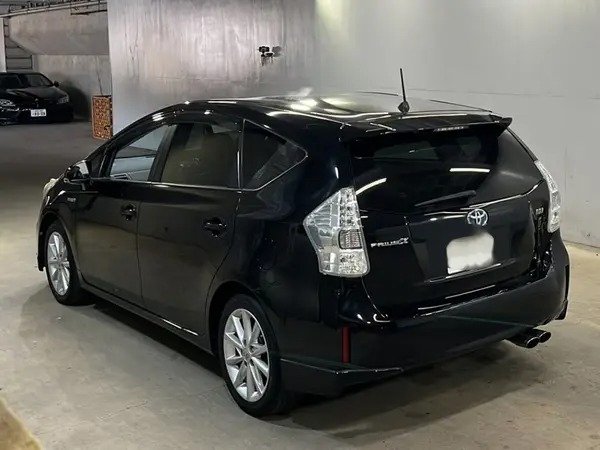
Introduction: The Fragile Balance of the Global Used Car Ecosystem
The global used car market operates like a finely tuned mechanical watch precise, interdependent, and vulnerable to even the smallest disruption. Over the last few years, buyers and dealers alike have witnessed how quickly equilibrium can collapse. One unexpected factory shutdown, one congested port, or one regulatory shift can ignite a cascade that ultimately leads to empty dealership lots and soaring prices. The question is no longer if another shortage will occur, but when.
A japanese used car has long been a stabilizing force in this ecosystem. Known for reliability, longevity, and predictable depreciation curves, these vehicles act as a pressure valve when new car supply tightens. Yet supply chain data increasingly suggests that this buffer may not be as resilient as it once was. From shipping bottlenecks to changing export policies, subtle indicators are flashing warning signs.
Understanding these signals requires looking beyond headlines and into the granular data points that quietly shape availability. Supply chain metrics, export volumes, and consumer behavior patterns together tell a story one that suggests the next shortage may already be forming beneath the surface.
Understanding the Used Car Supply Chain
The used car supply chain is not merely a secondary extension of the new car market. It is an intricate web of production cycles, ownership turnover rates, auction systems, logistics networks, and regulatory frameworks. Each node in this network contributes to overall availability, and any disruption echoes outward with surprising velocity.
At the manufacturing level, vehicle production delays indirectly constrict used supply. Fewer new cars sold today translate into fewer trade-ins tomorrow. Logistics add another layer of fragility. Shipping routes connecting Japan to global markets, particularly South Asia, rely on predictable port operations and container availability. Even minor congestion can delay thousands of units.
For a japanese used car, the journey often spans auctions in Japan, exporters, shipping agents, customs authorities, and local dealers. Each handoff introduces potential friction. When supply chain data shows increased dwell times at ports or reduced auction throughput, it is often an early sign that downstream shortages are looming.
Supply Chain Data Signals That Precede a Used Car Shortage
Used car shortages rarely arrive without warning. They announce themselves quietly through data numbers that shift just enough to be overlooked by casual observers. One of the most telling indicators is semiconductor allocation. While chips are associated with new vehicles, reduced production today constrains future used inventory.
Export volume fluctuations offer another clue. A sustained decline in shipments from Japan often reflects internal policy shifts or rising domestic demand. Inventory-to-sales ratios at auctions also reveal market tension. When inventories shrink while sales velocity increases, scarcity is already underway.
Shipping data further sharpens the picture. Rising freight costs and extended transit times frequently precede price spikes in destination markets. For buyers dependent on a steady flow of japanese used car imports, these metrics are not abstract they are predictive tools with real financial consequences.
Why Japanese Exports Matter More Than Ever
Japan occupies a singular position in the global used vehicle trade. Its stringent inspection system, known as Shaken, incentivizes early vehicle replacement, creating a consistent supply of high-quality used cars. This structural advantage has made Japanese exports indispensable to many markets.
However, export volumes are not immune to pressure. Currency fluctuations, domestic resale incentives, and environmental policies increasingly influence what stays in Japan versus what ships abroad. When export data shows contraction, international markets feel the squeeze almost immediately.
A japanese used car is often viewed as a safe default option, but safety can breed complacency. Supply chain data suggests that reliance on this single source may amplify vulnerability rather than reduce it, especially as global demand converges on the same limited pool.
The Japanese Automobile Market Pakistan Connection
The relationship between Japan and Pakistan in the automotive trade is both deep and delicate. The Japanese automobile market Pakistan pipeline supplies a significant portion of mid-range and compact vehicles that dominate urban mobility. Policy adjustments on either side can rapidly alter availability.
Import regulations, age limits, and duty structures directly influence demand. When policies favor imports, demand surges, draining available stock faster than exporters can replenish it. Conversely, restrictive measures compress supply but often drive prices upward due to pent-up demand.
Supply chain data shows that even rumors of policy change can trigger speculative buying. This behavioral response accelerates shortages before any official action occurs. In this context, the Japanese automobile market Pakistan relationship becomes a case study in how regulatory signals intersect with logistics and consumer psychology.
Consumer Behavior as a Predictive Indicator
Data does not exist in a vacuum. Consumer behavior transforms numbers into outcomes. During periods of uncertainty, buyers delay selling, holding onto vehicles longer than usual. This extends ownership cycles and reduces the inflow of used cars into the market.
Panic buying compounds the issue. When consumers sense scarcity, they accelerate purchasing decisions, further depleting inventory. Financing conditions also play a role. Tightened credit reduces purchasing power, temporarily suppressing demand, but often leads to a sharper rebound later.
For a japanese used car, these behavioral shifts are particularly pronounced. Buyers perceive them as low-risk assets, making them the first choice when uncertainty looms. Supply chain data aligned with behavioral trends offers one of the clearest windows into future shortages.
Technology, Data Analytics, and Predictive Accuracy
Modern forecasting no longer relies on intuition alone. Advanced analytics now synthesize shipping manifests, auction data, production forecasts, and macroeconomic indicators into predictive models. Artificial intelligence detects correlations invisible to traditional analysis.
Dealers and importers who integrate these tools gain a strategic edge. By monitoring leading indicators such as export approval rates or container booking delays they can anticipate shortages months in advance. This proactive stance transforms supply chain data from a diagnostic tool into a navigational instrument.
As data transparency improves, the market becomes less reactive and more anticipatory. Yet access remains uneven, creating asymmetries that shape who benefits and who struggles during shortages.
What the Next Shortage Could Look Like
The next used car shortage is unlikely to mirror previous ones exactly. Instead, it may arrive unevenly, affecting specific segments more than others. Compact hybrids, fuel-efficient sedans, and entry-level SUVs are particularly vulnerable due to concentrated demand.
Prices may not spike uniformly. Instead, gradual escalation could mask the severity until inventory reaches critically low levels. A japanese used car may retain availability longer than alternatives, but once supply tightens, recovery tends to be slow.
Supply chain data suggests that recovery periods are lengthening. Structural constraints, not temporary disruptions, increasingly define the market landscape.
Preparing for the Inevitable: Strategic Insights for Buyers and Dealers
Preparation hinges on timing and information. Buyers who track supply indicators can act before scarcity becomes visible. Dealers who diversify sourcing reduce dependency risk and stabilize inventory flow.
Risk mitigation also involves flexibility. Accepting alternative trims, years, or specifications can preserve mobility during constrained periods. In the context of the Japanese automobile market Pakistan dynamic, adaptability becomes a competitive advantage.
The goal is not to predict the future with certainty, but to reduce surprise. In a market shaped by data, foresight is the most valuable currency.
Conclusion: Reading the Road Ahead
Used car shortages are not anomalies; they are cyclical expressions of a complex system under strain. Supply chain data provides the clearest early warnings, translating distant disruptions into actionable insights. For markets reliant on a japanese used car supply, attentiveness is no longer optional.
As global logistics evolve and demand patterns shift, the ability to interpret subtle signals will define who navigates shortages smoothly and who is caught unprepared. The road ahead may be uncertain, but the data already points the way.
