

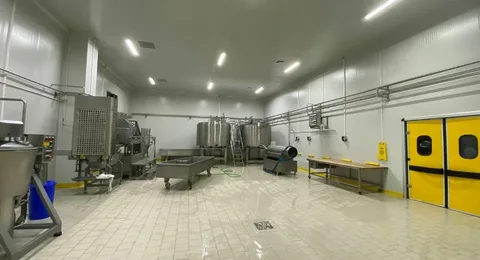
In industrial and commercial settings, the choice of flooring plays a crucial role in maintaining safety, hygiene, and durability. Among various flooring solutions, acid proof tiles have emerged as one of the most reliable options, especially in environments exposed to harsh chemicals. These tiles are designed to withstand aggressive chemical reactions, making them ideal for industries such as pharmaceuticals, chemical plants, laboratories, and food processing units. One of the leading suppliers in this field is Roka Chem, a company renowned for providing high-quality acid-resistant tiles and related products.
What Are Acid Proof Tiles?
Acid proof tiles are specially engineered ceramic or vitrified tiles that can resist corrosion caused by strong acids, alkalis, and other industrial chemicals. Unlike regular tiles, these tiles have a dense, impervious surface that prevents chemical penetration, thus ensuring longevity and safety in hazardous environments. These tiles are also known for their excellent thermal resistance, making them suitable for areas exposed to high temperatures, including furnace rooms and chemical laboratories. Roka Chem offers a wide range of acid proof tiles that meet international standards for chemical resistance, ensuring that industries can maintain safe and durable flooring.
Key Features of Acid Proof Tiles
One of the most important aspects of acid proof tiles is their chemical resistance. They are manufactured using materials such as high alumina, silicon carbide, or special ceramics that are highly resistant to acids, alkalis, and solvents. This ensures that spills, splashes, or accidental exposure to strong chemicals do not damage the floor. Another key feature is their durability; acid proof tiles can withstand heavy machinery, high foot traffic, and abrasive conditions without cracking or wearing out. Furthermore, these tiles are non-porous, which makes cleaning easier and prevents the growth of bacteria or fungi, an essential factor in pharmaceutical and food industries. Companies like Roka Chem specialize in providing tiles that combine these features with aesthetic appeal, making industrial spaces both functional and visually pleasing.
Applications of Acid Proof Tiles
Acid proof tiles have a wide range of applications across various industries. In chemical plants, these tiles protect the flooring from strong acids like sulfuric acid, hydrochloric acid, and nitric acid, which are commonly used in industrial processes. In pharmaceutical industries, acid proof tiles maintain hygiene and prevent contamination by resisting chemical and biological agents. Food processing units also benefit from acid proof tiles because they can withstand exposure to cleaning agents and acidic food products without deteriorating. Laboratories and research centers, where chemical reactions are frequent, rely on acid proof tiles for safety and durability. Leading suppliers like Roka Chem provide customized solutions for these applications, ensuring that tiles are suited to the specific chemical exposures and temperature conditions of each facility.
Advantages of Using Acid Proof Tiles
The use of acid proof tiles offers several advantages over traditional flooring options. First and foremost, they provide long-term protection against chemical damage, reducing maintenance costs and minimizing downtime in industrial operations. Their resistant surface prevents staining and degradation, ensuring that the floors maintain their appearance and integrity over time. Additionally, acid proof tiles contribute to workplace safety, as they reduce the risk of accidents caused by chemical spills or slippery surfaces. Another significant benefit is environmental safety; by preventing chemical leakage into the underlying structure, acid proof tiles protect the environment and maintain compliance with industrial safety regulations. Roka Chem is widely recognized for offering tiles that not only meet these functional requirements but also adhere to quality and environmental standards.
Choosing the Right Acid Proof Tiles
Selecting the right acid proof tiles requires careful consideration of several factors. The type of chemical exposure, temperature conditions, and mechanical load are critical in determining the appropriate tile composition. High alumina tiles are often used in areas with moderate chemical exposure, while silicon carbide or other advanced ceramic tiles are preferred for highly aggressive environments. The installation method also matters; proper grouting and sealing enhance the chemical resistance of the flooring. Companies like Roka Chem provide expert guidance on choosing the correct tiles, ensuring optimal performance and durability for each application. By working with experienced suppliers, industries can avoid costly mistakes and ensure that their flooring is fully equipped to handle challenging conditions.
Maintenance and Longevity
Although acid proof tiles are highly durable, proper maintenance is essential to maximize their lifespan. Regular cleaning with neutral or recommended cleaning agents helps prevent the buildup of residues that could compromise the tile surface. Routine inspections for cracks or grout damage allow for timely repairs, further enhancing longevity. Because acid proof tiles are non-porous and resistant to most chemicals, maintenance is relatively simple compared to other flooring types. Roka Chem also provides after-sales support and maintenance guidelines to help industries maintain their flooring effectively, ensuring long-term value and safety.
Conclusion
In conclusion, acid proof tiles are an indispensable component of industrial, pharmaceutical, and chemical environments. Their chemical resistance, durability, and ease of maintenance make them an ideal choice for facilities that deal with harsh substances regularly. With trusted suppliers like Roka Chem, industries can access high-quality, reliable tiles that ensure safety, compliance, and long-term performance. Investing in acid proof tiles not only protects flooring from chemical damage but also enhances workplace safety and operational efficiency, making it a smart and practical choice for modern industrial applications.
