

culture, economics, and societal behaviour. From its genesis as a simple betting system based on the opening and closing rates of cotton traded on the New York Stock Exchange, Satta Matka evolved into one of India’s most enduring and controversial forms of gambling. This article traces its historical roots, evolution, socio-economic impact, regulatory challenges, and its enduring presence in Indian culture.
Introduction: Understanding Satta Matka
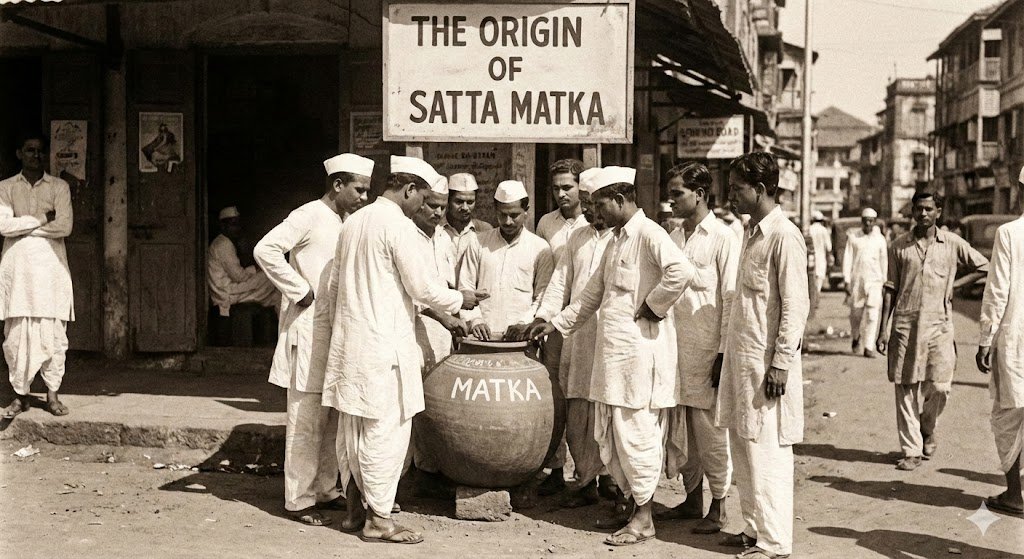
Before exploring the origin of Satta Matka, it is essential to define what Satta Matka actually is. Satta Matka is a form of lottery or betting where participants place bets on numbers. Initially, the process involved drawing numbers from a pot — locally referred to as a “matka.” Over time, the betting mechanism evolved, but the term “Satta Matka” endured.
At its core, Satta Matka represents a system where numbers are drawn, and participants wager on the probability of specific outcomes. The game’s broad appeal lies in its simplicity and high potential returns — factors that have propelled its popularity across many Indian cities and towns.
Origins: From Stock Rates to Street Betting
The origin of Satta Matka can be traced back to the early 1950s. During this period, India did not have widespread gambling regulations or state-regulated betting systems. The game began not as an indigenous concept but as a derivative of international finance.
Originally, bets were placed on the opening and closing rates of cotton traded on the New York Cotton Exchange. These numbers were transmitted to India via teleprinters. Participants in cities like Mumbai (then Bombay) would bet on these numbers. This practice was colloquially referred to as “Ankada Jugar,” which roughly translates to “figure gambling.”
Here’s how the system worked:
- The closing cotton rate on the New York Exchange would be received.
- From this rate, the last digit of the total would be extracted.
- That number would become part of the betting pool.
- Players would then wager on the resulting numbers.
As time passed, reliance on international stock rates became cumbersome due to transmission delays and limited access. Gradually, local organisers — known as “satta kings” — started to generate their own random numbers using slips of paper drawn from pots or “matkas.” This substitution marked a transformative moment in the origin of Satta Matka.
The Matka Era: Numbers from a Pot
The shift from cotton rates to hand-drawn numbers changed the trajectory of the game. No longer tied to external financial indices, the betting process became localised and easier to manage.
This form of number generation involved:
- Write numbers (0–9) on small pieces of paper.
- Folding them and placing them into a pot or matka.
- Drawing multiple slips to form a sequence that determined the winning number.
The matka became both the symbolic and practical centrepiece of the game. The word “matka” itself came to represent the betting system. This adaptation not only simplified the process but also expanded the game’s accessibility.
With the origin of Satta Matka rooted in this practice, the game began to thrive in the informal markets of Mumbai. The city’s bustling trade environment, combined with a rapidly growing population seeking leisure and speculative opportunities, created fertile ground for the game’s popularity.
Rise of the Satta Kings
As Satta Matka gained traction, a network of bookmakers and operators emerged. These individuals controlled the betting pools, determined payouts, and managed the day-to-day operations of the game. Among them were charismatic and influential figures popularly known as “Satta Kings.”
One of the most legendary names associated with the origin of Satta Matka is Ratan Khatri. Operating from Mumbai’s Mahalaxmi area in the 1960s and 1970s, Khatri revolutionised the game. He introduced structured timing for number draws and formalised the betting process.
Under his watch, the game became more organised:
- Draws were scheduled at specific times of the day.
- Betting figures were published in daily charts.
- Bookmakers across the city would coordinate payouts and bets.
This system transformed Satta Matka into a mass-participation game, attracting players from all economic backgrounds. From office workers to daily wage labourers, many began to see Matka as both entertainment and an opportunity to earn quick money.
Legal and Social Challenges
Despite its popularity, the origin of Satta Matka was closely accompanied by controversy. In India, gambling laws have generally been restrictive. The Public Gambling Act of 1867, a colonial-era law, prohibited running or being in charge of typical gambling houses. The ambiguity in legal definitions allowed games like Satta Matka to operate in grey zones for years.
Satta Matka’s proliferation brought with it several social challenges:
- Addiction among participants
- Illegal bookmaking operations
- Association with organised crime
- Financial losses affecting families
Law enforcement agencies periodically cracked down on Matka dens. However, despite occasional raids and arrests, the game persisted. The resilience of Satta Matka points not only to its ingrained social presence but also to the challenges of policing informal economies in India’s urban landscapes.
Cultural Penetration and Popularity
From the streets of Mumbai to smaller towns and cities, the origin of Satta Matka had a profound cultural impact. The game infiltrated various strata of society due to several factors:
- Accessibility
- Bets could be placed with small amounts of money, making it affordable to a broad demographic.
- Social Interaction
- Matka centres often became social hubs where people gathered, shared tips, and discussed outcomes.
- Media Coverage
- Daily number charts published in newspapers or displayed outside Matka offices added to the game’s visibility.
- Entertainment Value
- The excitement of number draws and potential payouts provided a sense of thrill similar to lottery systems.
Popular Bollywood films and regional cinema occasionally referenced Satta Matka, further embedding it in Indian pop culture. Even individuals who did not participate directly knew of the game and its lore.
Transformation in the Digital Age
The origin of Satta Matka lies in paper slips and physical pots, but its modern evolution is inherently digital. With the advent of the internet and mobile technologies, Matka betting transitioned online.
Online platforms created:
- Virtual charts and dashboards
- Mobile apps for placing bets
- Real-time updates and automated payouts
This digital shift widened participation beyond metropolitan centres. Even individuals in smaller towns gained access to Matka games without needing to visit physical betting hubs. The online model also introduced variants of the traditional game, adding features and formats that appealed to new audiences.
However, digitalisation also intensified regulatory scrutiny. Online gambling has been a subject of legal debates, with many Indian states imposing strict restrictions or outright bans. Yet, unregulated platforms continue to operate, complicating attempts to enforce gambling laws in the digital realm.
Current Status: Legal and Regulatory Framework
Although the origin of Satta Matka is rooted in informal and unregulated gambling, contemporary India faces the complex task of regulating such activities. The legal framework includes:
- Public Gambling Act, 1867
- A central law that prohibits the running of typical gambling houses.
- State-Specific Laws
- Some states have enacted their own gambling regulations, with varying degrees of restrictiveness.
- Online Gambling Legislation
- Currently, online betting and gambling fall into a legal grey area, with proposed laws under discussion.
The complexity of gambling laws in India means that Satta Matka — whether physical or digital — remains largely illegal. Yet, enforcement challenges persist due to:
- Decentralised and anonymous online platforms
- Constant evolution of betting models
- Limited enforcement resources
Despite these challenges, several advocacy groups and policymakers have called for regulated frameworks that can balance consumer protection with economic opportunity.
Socio-Economic Implications
Exploring the origin of Satta Matka also involves understanding its socio-economic implications. While many participants view the game as a source of quick income, the reality is more nuanced.
Positive Impacts
- Informal employment for agents and bookkeepers
- Circulation of cash in local economies
- Social engagement among participants
Negative Impacts
- Financial losses among compulsive players
- Illegal operations with no consumer protection
- Links with money laundering and organised crime
Economists and social scientists argue that the absence of regulated alternatives for recreational betting has contributed to the persistence of games like Matka. For some, state-sponsored lotteries and regulated casinos represent legal substitutes that could mitigate harm while generating revenue for public welfare.
Conclusion: Legacy and Lessons
The origin of Satta Matka in India is a story of adaptation, innovation, and social behaviour. What began as a betting practice linked to international stock rates transformed into one of the country’s most resilient forms of lottery and gambling culture.
Although the game remains illegal under most Indian jurisdictions, its historical significance is undeniable. Satta Matka reflects broader themes in Indian society — the quest for quick financial gain, the ingenuity of informal economies, and the challenges of regulation in a diverse and populous nation.As India continues to explore its legal stance on gambling in the digital age, the legacy of Satta Matka serves as a reminder of how deeply cultural practices can endure despite regulatory pressure. The origin of Satta Matka is more than a historical footnote; it is a lens through which we can understand evolving societal values, economic aspiration, and the enduring human love for games of chance.
