

Every chef knows food loses taste if not handled carefully. When cooking, flavors can be affected by heat, air or moisture. A sandwich left on the counter can quickly become bland or soggy. Many restaurants face this issue especially when preparing food for delivery or takeout. Ingredients like herbs, spices or sauces can lose intensity if not stored or handled properly. Even a small temperature change can cause food to lose aroma or taste
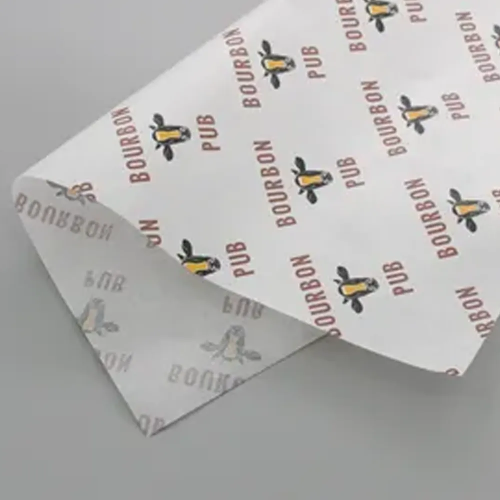
Understanding why flavor fades is important. Chefs often notice foods with moisture like vegetables or fruits are most sensitive. Proteins such as fish and poultry also lose flavor if left uncovered or exposed. The trick is to limit contact with air, maintain temperature and prevent moisture imbalance. Tools like airtight boxes, parchment paper or branded wax papers for food wrapping help lock in taste.
How Do Chefs Keep Flavors Intact During Cooking?
Cooking can change food taste. Every step matters from choosing ingredients to applying heat. Chefs know overcooking or undercooking changes taste. Sautéing garlic too long can make food bitter while cooking fish at high heat without oil can dry food. Timing and heat control are important
Using herbs or spices just before serving keeps the aroma. Heat can destroy oils in spices and herbs causing loss of smell. Even the order of mixing ingredients affects flavor. Professional kitchens focus on these details. Combined with storage techniques chefs ensure food stays flavorful from preparation to serving.
What Role Does Air Exposure Play in Flavor Loss?
Air exposure affects flavor. Oxygen reacts with food causing oxidation that changes taste and smell. Fruits like apples or avocados turn brown and become bitter when exposed to air. Oils and sauces can lose smell over time if not sealed.
Chefs limit air contact using coverings, airtight boxes or wrapping techniques. Keeping food sealed preserves oils and juices needed for flavor. Small touches like pressing foil gently or using wrapping paper make a difference. Kitchens often wrap foods individually to avoid flavor mixing. Controlling air exposure maintains taste and ensures the first bite is as planned.
How Do Chefs Balance Ingredients for Maximum Flavor?
Balancing ingredients is key. Chefs measure salt spices and acids to complement natural flavors without masking them. A dish with too much salt or spice may hide notes too little and may seem bland. Layering is used carefully. Ingredients are added in stages considering cooking times and how flavors develop. Adding herbs at start releases aroma and adding herbs at end preserves smell. Chefs taste at every stage to ensure the final dish is balanced. Storage also affects balance. Cooked pasta stored with sauce may absorb moisture and change flavor. Using food paper keeps flavors distinct until serving.
Why Is Timing Critical for Flavor Retention?
Timing is critical in cooking and storage. Actions like letting cake cool before slicing or steak rest before serving affect flavor. Delays can cause lost juices, altered texture and muted aroma. Using wrapping techniques protects food during these times keeping taste intact. Layers of custom wrapping paper can separate items preventing flavor mixing while keeping moisture balanced.
How Does Storage Method Influence Taste?
The storage method affects flavor. Foods in plastic may retain moisture but develop off-odors. Glass boxes may work better for some dishes and paper keeps others fresh. Chefs choose storage based on food type. Baked items benefit from wrapping that prevents drying but allows small air flow. Vegetables and fruits may need breathable coverings. Proteins require sealed storage to keep juices. Storage decisions affect taste and texture. Using WaxPapersHub products keeps food intact making storage practical and effective.
Why Are Layering Techniques Important for Flavor?
Layering flavors is more than adding ingredients in order. Chefs use this to create complexity and keep tastes separate. Each layer adds to the dish without overpowering others. During storage, layering matters. Foods touching directly may mix flavors in unintended ways. Wrapping each layer separately keeps each component intact. This works for pastries, cheeses or meats. Chefs plan how flavors interact over time. Separating items and combining before serving preserves taste and improves eating experience.
How Do Chefs Protect Aroma in Dishes?
Aroma affects flavor. Without smell food tastes bland even if the ingredients are correct. Chefs protect aroma during storage or transport. Stew wrapped with paper retains smell without condensation. Small details matter. Wrapping foods with herbs, oils or spices prevents smell from escaping. Freshness is maintained and the eating experience stays as planned. Many chefs use branded wrapping papers to keep aroma and taste intact.
What Simple Tricks Help Maintain Flavor at Home?
Maintaining flavor at home does not need complicated techniques. Covering dishes using paper for moisture or storing items separately improves taste. Chefs suggest tasting at each stage, cooking in batches and keeping ingredients stored correctly. Small adjustments like gentle reheating or serving immediately enhance taste. Home cooks can use tools like custom wrapping paper to separate items or protect flavors. These steps make food taste better and more enjoyable like in restaurants.
How Can Small Businesses Ensure Food Stays Good?
Small food businesses need consistent quality. Preserving flavor is key for customers. Using wrapping techniques separating ingredients and storing food at correct temperatures ensures food reaches customers as planned. Products from WaxPapersHub provide solutions for small businesses to maintain taste and freshness. By choosing wrapping materials even small businesses can ensure food keeps flavor, smell and moisture. These steps improve customer satisfaction and support business growth.
What Everyday Habits Can Help Preserve Flavor Long-Term?
Long-term flavor preservation depends on habits. Chefs emphasize cleaning storage boxes labeling foods, monitoring temperature and rotating stock. Simple practices like using wax or parchment paper covering leftovers and avoiding air exposure extend taste. At home these practices keep food enjoyable. Using wrapping materials, storing ingredients separately and checking moisture can improve flavor. Businesses and individuals benefit from proper storage. Flavor is not only cooking—preserving food until eaten is essential.
