

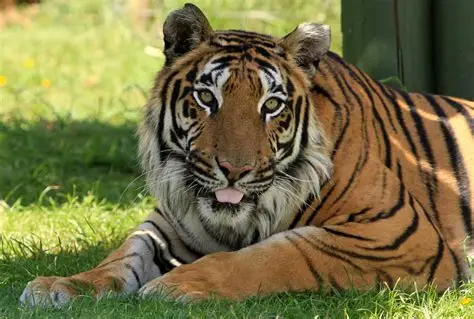
This guide explores the richness of Rajasthan wildlife tourism, covering major destinations, seasonal highlights, activities, and practical travel tips. Rajasthan, often celebrated for its majestic forts, palaces, and desert culture, is equally remarkable for its wildlife tourism. The state’s varied geography—Aravalli hills, Thar desert, wetlands, and grasslands—creates habitats for a wide range of species. From Bengal tigers to migratory birds, Rajasthan’s national parks and sanctuaries attract both domestic and international travelers.
🌄 Introduction to Rajasthan’s Wildlife
Rajasthan is not just about royal heritage—it is also a land of wilderness. The state boasts:
- Diverse Ecosystems: Desert, wetlands, forests, and grasslands.
- Flagship Species: Bengal tiger, leopards, blackbuck, chinkara, desert fox.
- Birdlife: Over 370 species, including migratory Siberian cranes and painted storks.
- Accessibility: Well-connected by road, rail, and air to major Indian cities.
- Cultural Blend: Wildlife tours often combine with heritage experiences.
🛕 Major Wildlife Destinations in Rajasthan
1. Ranthambore National Park (Sawai Madhopur)
- Highlight: Famous for Bengal tigers amidst fort ruins.
- Wildlife: Tigers, leopards, sloth bears, marsh crocodiles.
- Experience: Jeep safaris, photography tours, Ranthambore Fort.
2. Sariska Tiger Reserve (Alwar)
- Highlight: Tiger sightings in the Aravalli hills.
- Wildlife: Tigers, leopards, hyenas, jungle cats.
- Experience: Blend of wildlife and heritage (Kankwari Fort).
3. Keoladeo National Park (Bharatpur Bird Sanctuary)
- Highlight: UNESCO World Heritage Site, paradise for birdwatchers.
- Wildlife: 370+ bird species, including Siberian cranes, pelicans, and ducks.
- Experience: Cycle rickshaw tours, photography, winter birdwatching.
4. Desert National Park (Jaisalmer)
- Highlight: Unique desert ecosystem.
- Wildlife: Great Indian Bustard, desert fox, chinkara.
- Experience: Camel safaris, birdwatching, desert camping.
5. Mount Abu Wildlife Sanctuary
- Highlight: Semi-green forests in the Aravalli hills.
- Wildlife: Leopards, sloth bears, porcupines, langurs.
- Experience: Trekking and nature walks.
6. Gajner Wildlife Sanctuary (Bikaner)
- Highlight: Lush green forest near Bikaner.
- Wildlife: Nilgai, chinkara, blackbuck, wild boar.
- Experience: Birdwatching and eco-tourism.
7. Tal Chhapar Sanctuary (Churu)
- Highlight: Known for blackbuck and harriers.
- Wildlife: Blackbuck, desert fox, migratory birds.
- Experience: Birdwatching tours, photography.
🏞️ Birdwatching Hotspots
- Bharatpur (Keoladeo): Migratory birds from Central Asia.
- Tal Chhapar Sanctuary: Harriers and blackbuck.
- Sambhar Lake: Flamingos and waterfowl.
🎉 Best Time to Visit Rajasthan for Wildlife Tourism
- October–March: Pleasant weather, peak season for safaris and birdwatching.
- April–June: Hot, but good for tiger sightings near waterholes.
- July–September: Monsoon rains, some parks closed.
🚴 Activities in Rajasthan Wildlife Tourism
- Jeep Safaris: Ranthambore, Sariska, Desert National Park.
- Birdwatching Tours: Keoladeo, Tal Chhapar, Sambhar Lake.
- Nature Walks: Mount Abu, Gajner.
- Photography Expeditions: Specialized tours for wildlife photographers.
- Cultural Tours: Combine wildlife with forts, palaces, and desert experiences.
🍲 Cuisine During Tours
- Local Flavors: Dal Baati Churma, Ker Sangri, Gatte ki Sabzi.
- Street Food: Kachori, Mirchi Vada, Ghewar.
- Resort Dining: Mix of Rajasthani and continental cuisines.
🛍️ Souvenirs and Shopping
- Handicrafts: Block prints, blue pottery, camel leather goods.
- Wildlife Souvenirs: Bird and animal-themed art.
- Local Markets: Jaipur, Jodhpur, Udaipur bazaars.
🏨 Accommodation Options
- Luxury Resorts: Ranthambore, Sariska, Bharatpur.
- Forest Lodges: Eco-friendly stays near sanctuaries.
- Budget Hotels: Available in major towns.
- Homestays: Experience local hospitality.
📅 Suggested 7-Day Wildlife Itinerary
Day 1–2: Ranthambore (tiger safari).
Day 3: Sariska (wildlife + heritage).
Day 4–5: Bharatpur (birdwatching).
Day 6: Desert National Park (Jaisalmer).
Day 7: Mount Abu (nature walk).
📈 Importance of Rajasthan Wildlife Tourism
- Conservation: Supports tiger and bird protection.
- Economic Growth: Boosts local businesses and hospitality.
- Cultural Integration: Combines heritage and nature.
- Global Recognition: UNESCO sites highlight Rajasthan’s role in biodiversity.
✨ Conclusion
Rajasthan wildlife tourism is a journey into diverse ecosystems, rare species, and cultural richness. From tiger safaris in Ranthambore to birdwatching in Bharatpur, from desert adventures in Jaisalmer to nature walks in Mount Abu, Rajasthan offers experiences that linger in memory. Whether you’re a wildlife enthusiast, a photographer, or a casual traveler, Rajasthan’s wildlife circuit promises discovery, adventure, and inner peace.
