

Introduction
Every child experiences the world differently, but for children on the autism spectrum, everyday interactions, communication, and routines can feel overwhelming. Autism Spectrum Disorder (ASD) affects how a child communicates, learns, and interacts socially. While autism is a lifelong neurological condition, the right therapeutic support can significantly enhance a child’s abilities, independence, and quality of life.
This is where Autism Therapy plays a vital role. Through structured, evidence-based approaches, therapy helps children build essential skills at their own pace. With early intervention, personalized strategies, and family involvement, children with autism can achieve meaningful progress and thrive in their daily lives.
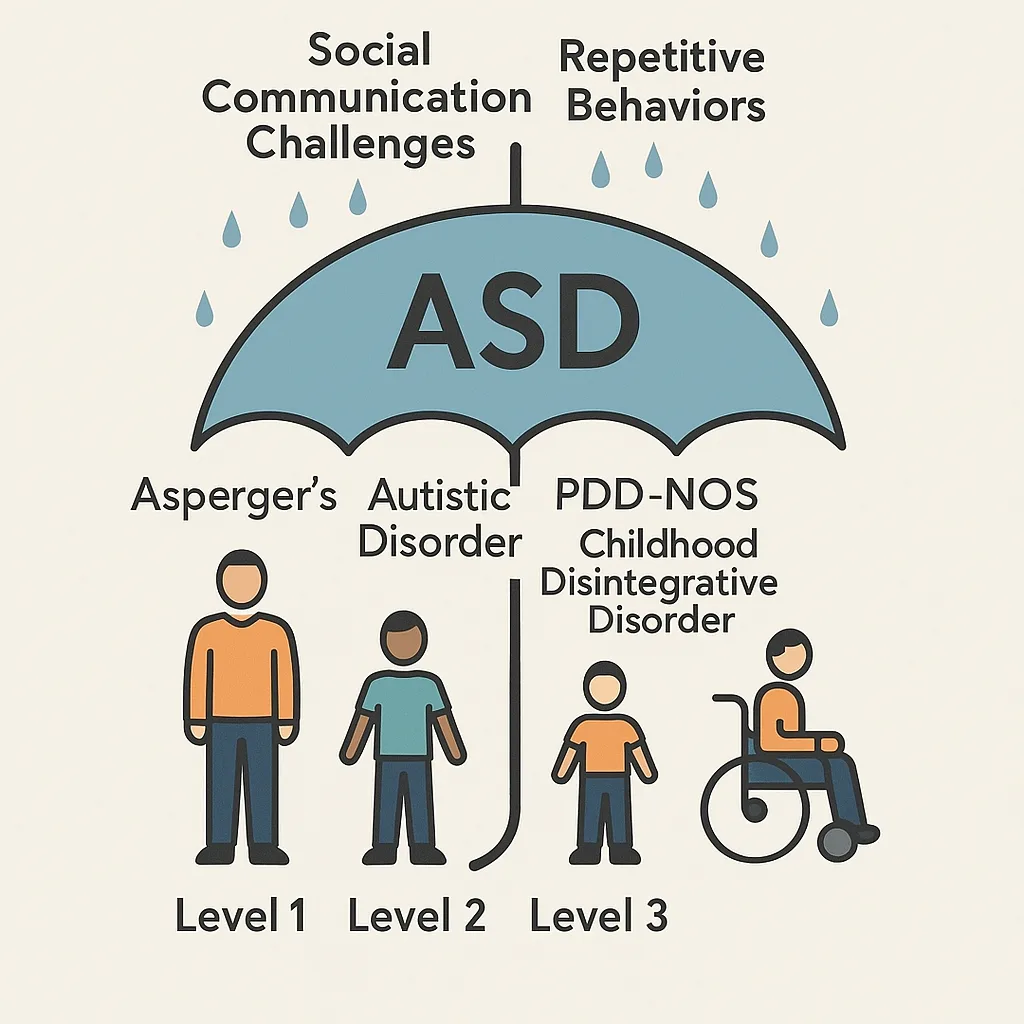
Understanding Autism Spectrum Disorder
Autism Spectrum Disorder is called a “spectrum” because it affects individuals in different ways and to varying degrees. Some children may have strong verbal skills but struggle with social cues, while others may be non-verbal and require support for basic communication.
Common characteristics of autism may include:
- Difficulty with social interaction
- Challenges in verbal and non-verbal communication
- Repetitive behaviors or restricted interests
- Sensory sensitivities (sound, light, textures)
- Difficulty adapting to changes in routine
It’s important to understand that autism is not an illness to be cured. Instead, therapy focuses on helping children develop skills that allow them to communicate effectively, participate socially, and live more independently.
What Is Autism Therapy?
Autism Therapy is a broad term that includes various therapeutic approaches designed to support children with autism in their developmental journey. These therapies are tailored to each child’s unique strengths, challenges, and goals.
Rather than following a one-size-fits-all model, autism therapy emphasizes individualized treatment plans. The goal is not to change who the child is, but to help them navigate the world with confidence and capability.
Why Early Intervention Matters
Research consistently shows that early intervention leads to better outcomes for children with autism. The brain is most adaptable during early childhood, making it an ideal time to introduce therapeutic strategies.
Benefits of early autism therapy include:
- Improved communication and language development
- Better social interaction skills
- Reduction in challenging behaviors
- Enhanced learning readiness
- Greater independence over time
Early support also empowers parents with tools and strategies to better understand and support their child’s needs at home.
Types of Autism Therapy
There are several evidence-based therapies commonly used to support children with autism. Often, a combination of therapies delivers the best results.
1. Applied Behavior Analysis (ABA)
ABA therapy focuses on improving specific behaviors such as communication, social skills, and self-care. It uses positive reinforcement to encourage desired behaviors and reduce challenging ones.
2. Speech and Language Therapy
This therapy helps children develop verbal and non-verbal communication skills. It may include:
- Improving speech clarity
- Learning alternative communication methods
- Enhancing understanding of language and instructions
3. Occupational Therapy
Occupational therapy supports daily living skills such as dressing, feeding, writing, and sensory processing. It helps children function more independently at home and school.
4. Social Skills Therapy
This therapy teaches children how to interact with peers, understand social cues, take turns, and build relationships in a structured environment.
5. Sensory Integration Therapy
For children with sensory sensitivities, this approach helps them process sensory information more effectively, reducing discomfort and anxiety.
Personalized Therapy Plans: A Key to Success
No two children with autism are the same. This is why personalized therapy plans are essential. Therapists assess each child’s developmental level, communication style, behavioral patterns, and sensory needs before designing a tailored intervention plan.
A personalized approach ensures:
- Therapy aligns with the child’s strengths
- Goals are realistic and achievable
- Progress is measured and adjusted regularly
- The child remains motivated and engaged
This individualized support fosters steady and meaningful progress.
The Role of Parents and Caregivers
Parents and caregivers are a child’s first and most important teachers. Successful autism therapy includes active family involvement. Therapists often guide parents on how to reinforce skills at home, manage behaviors, and support emotional development.
Parental involvement helps:
- Maintain consistency across environments
- Reinforce therapy goals in daily routines
- Strengthen parent-child bonding
- Build confidence in managing challenges
When families and therapists work together, children receive a stronger and more supportive foundation.
Autism Therapy in School and Community Settings
Therapy doesn’t stop at the clinic. Many children benefit from support in schools and community environments. Collaboration between therapists, teachers, and caregivers ensures that children can apply learned skills in real-life situations.
School-based support may include:
- Classroom accommodations
- Social interaction support
- Behavior management strategies
- Communication aids
This holistic approach helps children feel more included and confident in social settings.
Measuring Progress in Autism Therapy
Progress in autism therapy looks different for every child. While some children may develop verbal communication, others may improve in behavior regulation or social interaction.
Therapists track progress using:
- Skill development milestones
- Behavioral assessments
- Parent and teacher feedback
- Ongoing observation
Celebrating small achievements is important, as even minor improvements can significantly impact a child’s independence and confidence.
Breaking Myths About Autism Therapy
There are many misconceptions surrounding autism therapy. Let’s clear a few:
- Myth: Autism therapy changes a child’s personality
Fact: Therapy supports development without altering individuality - Myth: Therapy is only for young children
Fact: Individuals of all ages can benefit from therapy - Myth: Progress should be immediate
Fact: Growth is gradual and unique to each child
Understanding these facts helps families set realistic expectations and stay committed to the journey.
Choosing the Right Autism Therapy Provider
Selecting the right therapy provider is a crucial decision. Families should look for:
- Licensed and experienced therapists
- Evidence-based treatment methods
- Personalized care plans
- Family-centered approach
- Clear communication and progress tracking
A trusted therapy provider creates a supportive environment where children feel safe, understood, and motivated to grow.
Conclusion
Autism therapy is not about limitations—it’s about possibilities. With the right support, children with autism can develop essential life skills, express themselves more effectively, and build meaningful relationships. Every step forward, no matter how small, is a powerful achievement.
By embracing early intervention, personalized therapy, and family involvement, children on the autism spectrum are given the tools they need to navigate the world with confidence. Autism therapy empowers children to reach their full potential and thrive in their own unique way.
