

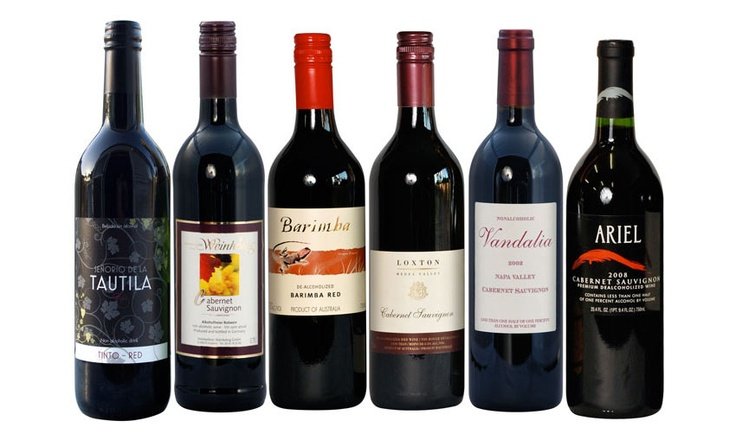
Over the last decade, there has been a remarkable shift in how people view drinking culture. Individuals across the world are becoming more health-conscious, socially responsible, and mindful of their daily habits. With this evolution has come a powerful demand for refined, enjoyable beverages that do not rely on alcohol. This is where non-alcoholic wines have stepped into the spotlight, offering a beautiful blend of craftsmanship, aroma, and complexity without the intoxicating effects. These beverages have grown far beyond a niche choice—they have become a mainstream preference for everyday enjoyment as well as special celebrations.
What Exactly Are Non-Alcoholic Wines?
To many, the term may sound like simple grape juice, but the truth is far more impressive. These beverages are produced just like traditional wines: grapes are harvested, crushed, fermented, aged, and refined to develop their signature flavours. The major distinction occurs after fermentation when the alcohol is removed using advanced methods such as vacuum distillation, membrane filtration, or spinning cone technology. These processes allow the drink to retain most of its natural flavours, aromas, and structure while bringing the alcohol content down to 0.5% or below.
What makes them so appealing is that they offer a genuine wine-like experience without altering mood, behaviour, or cognitive judgment—making them ideal for many lifestyles.
Why Consumers Are Embracing Alcohol-Free Options
The rise of mindful drinking has reshaped the beverage industry. People want refreshing, flavourful drinks without the side effects of alcohol. Many prefer something sophisticated for social gatherings, dinners, or professional events where staying completely clear-headed is essential. Others choose alcohol-free beverages for health reasons, fitness goals, pregnancy, or personal values.
This shift has contributed significantly to the growth in demand for non-alcoholic wines, especially as today’s versions have greatly improved in taste and authenticity. The quality gap that once existed between traditional wine and alcohol-free alternatives is rapidly shrinking thanks to innovation in production methods and better selection of grape varieties.
How These Premium Beverages Are Made
The dealcoholisation process is key to the quality of the final product. Producers use three main technologies to preserve flavour while removing alcohol:
Vacuum Distillation
This method lowers the boiling point of alcohol, allowing it to evaporate at reduced temperatures. This helps ensure that delicate flavours and aromas remain intact.
Reverse Osmosis
Wine passes through ultra-thin membranes that separate alcohol and water from the flavour-rich components. Afterward, the extracted flavours are blended back with purified water to recreate the original profile.
Spinning Cone Columns
This highly advanced process separates the aromatic compounds first, then gently removes alcohol before restoring the aromas to the finished drink.
These techniques allow manufacturers to create beverages that come remarkably close to traditional wine in terms of flavour complexity.
Popular Styles Available Today
Consumers now have an extensive range of choices, each crafted to meet different preferences:
Sparkling Wines
Effervescent, crisp, and elegant—they are perfect for celebrations, brunches, weddings, and holiday gatherings.
White Wines
Known for their bright acidity and refreshing taste. They pair well with seafood, salads, pasta, and light appetisers.
Red Wines
Full-bodied options with smooth tannins offer a comforting richness, making them ideal for hearty meals such as steak, pizza, or roasted dishes.
Rosé Wines
Light, fruity, and floral, these make excellent choices for summer evenings, picnics, or casual get-togethers.
Sweet & Dessert Wines
Gentle sweetness and aromatic profiles make them a perfect after-dinner treat.
This variety ensures that everyone—from beginners to seasoned enthusiasts—can find a style that matches their taste.
Health and Wellness Benefits
One of the greatest advantages of these beverages is their contribution to a healthier lifestyle. Traditional wine carries both calories and alcohol, which can affect sleep, hydration, digestion, and overall wellness. In contrast, non-alcoholic alternatives contain significantly fewer calories and eliminate the risks associated with alcohol consumption.
Additionally, because they are made from real grapes, they retain beneficial antioxidants such as polyphenols. These compounds support heart health, immunity, and inflammation control. This makes non-alcoholic wines a more nutritious and mindful option for people who want enjoyment without compromise.
Occasions Where They Shine the Most
These beverages are suitable for nearly every setting:
- Romantic dinners where flavour matters more than alcohol
- Professional meetings or corporate events
- Celebrations for individuals who prefer non-alcoholic drinks
- Family gatherings with mixed drinking preferences
- Healthy lifestyle routines where alcohol does not fit in
- Long drives, social evenings, or late-night hangouts without intoxication
Their versatility and inclusivity make them an ideal choice for modern social environments.
Best Food Pairings for Enhanced Enjoyment
Much like traditional wine, the flavours of alcohol-free varieties pair beautifully with food. For example:
- Sparkling options complement sushi, cheese platters, and desserts.
- Whites pair well with fish, chicken dishes, and light Italian cuisine.
- Reds match perfectly with grilled meats, creamy pastas, and savoury roasts.
- Rosé works wonderfully with Mediterranean dishes, salads, and barbecue foods.
Because the acidity and aroma remain similar, pairing feels natural and enjoyable.
The Global Growth and Market Expansion
The alcohol-free drinks industry has seen tremendous growth. Restaurants, supermarkets, bars, and luxury hotels now dedicate sections specifically to alcohol-free options. Social media influencers, health experts, and wellness coaches have also fueled interest by highlighting benefits and sharing tasting reviews.
Producers are exploring new fermentation techniques, oak aging, natural flavor retention, and premium grape varieties to elevate the quality even further. The future of non alcoholic wines looks extremely promising as consumer acceptance continues to rise and innovation becomes more advanced.
Conclusion
Non-alcoholic wines represent a new era of drinking culture—one built on flavour, wellness, clarity, and choice. They offer the sophistication of wine without the effects of alcohol, making social experiences more inclusive and enjoyable for everyone. As the industry continues to evolve, these beverages are becoming a preferred option for people who value balance, health, and meaningful connection. Whether enjoyed at a celebration, paired with a meal, or sipped during a quiet evening at home, alcohol-free wines deliver a satisfying, refined, and modern drinking experience.
