

Introduction
Many enterprises rely on legacy systems that have supported mission-critical operations for decades. While these systems are often stable and deeply embedded into business workflows, they struggle to keep pace with modern demands such as real-time data access, cloud scalability, automation, and seamless customer experiences. Replacing them outright is risky, expensive, and disruptive.
This is why legacy system integration has become a preferred modernization strategy. Instead of ripping and replacing core systems, enterprises use integration to extend, connect, and modernize existing applications without interrupting daily operations. With the right software integration services and a structured modernization roadmap, organizations can unlock new capabilities while protecting their existing investments.
What Are Legacy Systems and Why Do They Persist?
Legacy systems typically include outdated applications, monolithic architectures, mainframes, or proprietary software built years ago using older technologies. Despite their age, these systems persist because they are stable, reliable, and deeply tied to core business processes such as finance, supply chain, and customer management.
Enterprises often avoid replacing legacy platforms due to high migration risks, data integrity concerns, regulatory dependencies, and the potential for operational downtime. As a result, integration emerges as a practical approach that allows organizations to modernize incrementally rather than through disruptive overhauls.
The Role of Legacy System Integration in Enterprise Modernization
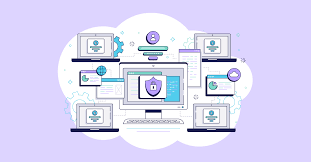
Legacy system integration focuses on enabling communication between old and new systems. By exposing legacy functionality through APIs, middleware, or data services, enterprises can connect their existing infrastructure with modern cloud applications, mobile platforms, and analytics tools.
This approach allows businesses to add new digital capabilities, improve customer experiences, and increase operational agility without changing the underlying core systems. Effective software integration services act as a bridge between legacy environments and modern digital ecosystems, enabling gradual transformation with minimal risk.
Key Drivers for Legacy System Integration
One of the main drivers of legacy integration is the need for real-time data access. Modern enterprises depend on analytics and automation, which require seamless data flow across systems. Integration enables legacy data to be consumed by modern applications without duplication or manual intervention.
Scalability is another major factor. Legacy platforms are often not designed to handle modern workloads or peak demand. Integrating them with cloud-based systems allows enterprises to scale front-end experiences and analytics while keeping core processing intact.
Regulatory and compliance requirements also drive integration initiatives. Many legacy systems support regulated workflows that cannot be easily replaced. Integration enables compliance continuity while modernizing surrounding systems.
Common Legacy Integration Approaches
Enterprises adopt different integration strategies based on system complexity, risk tolerance, and long-term goals. One common approach is API enablement, where legacy systems are wrapped with APIs to expose specific functionalities to modern applications. This method allows controlled access while maintaining system stability.
Middleware-based integration is another widely used approach. Integration platforms or enterprise service buses manage data exchange, transformation, and orchestration between systems. This reduces point-to-point complexity and improves maintainability.
Event-driven integration is gaining traction for real-time use cases. By using message queues or streaming platforms, enterprises can trigger workflows across systems without tightly coupling applications. Each of these approaches benefits from well-designed software integration services tailored to enterprise environments.
Challenges in Legacy System Integration
Despite its benefits, legacy system integration comes with challenges. Legacy platforms often lack documentation, making integration complex and time-consuming. Performance limitations can also arise when older systems are exposed to modern, high-volume workloads.
Security is another critical concern. Legacy systems were not designed for open connectivity, increasing the risk of data breaches if integration is not implemented correctly. Enterprises must also manage change carefully to avoid disrupting dependent business processes.
These challenges highlight the importance of working with experienced integration specialists who understand both legacy architectures and modern technologies.
The Role of Custom Software Development Outsourcing Services
Many enterprises turn to custom software development outsourcing services to manage the complexity of legacy system integration. Outsourcing provides access to specialized skills, domain expertise, and proven integration frameworks without the overhead of building in-house teams.
An experienced outsourcing partner can assess legacy environments, design scalable integration architectures, and implement secure APIs or middleware layers. They also help enterprises accelerate modernization timelines while minimizing operational risks.
By combining strategic planning with hands-on execution, custom software development outsourcing services enable organizations to modernize efficiently and cost-effectively.
Best Practices for Modernizing Without Disruption
A phased approach is essential for successful legacy system integration. Enterprises should start with non-critical integrations to validate architecture and performance before scaling across core systems. Clear documentation and governance frameworks help maintain control as integration complexity grows.
Security and compliance must be embedded into the integration design from the start. This includes authentication, authorization, encryption, and audit logging across all integrated systems. Performance testing is also critical to ensure legacy systems can handle new workloads without degradation.
Choosing the right technology stack and integration partner plays a significant role in minimizing disruption. Proven software integration services help enterprises modernize while maintaining business continuity.
Measuring the Success of Legacy Integration Initiatives
Success should be measured beyond technical implementation. Key metrics include reduced operational bottlenecks, improved data accessibility, faster time-to-market for new features, and increased system reliability. User adoption and satisfaction are also important indicators of effective modernization.
Over time, well-integrated legacy systems become enablers rather than constraints, allowing enterprises to innovate while preserving their core infrastructure.
Read More: Embedded Insurance: The Future of Digital Platforms
The Future of Legacy System Integration
As enterprises continue their digital transformation journeys, legacy system integration will evolve further. AI-driven integration, automated testing, and low-code platforms will reduce complexity and speed up implementation. Cloud-native integration services will also enable greater scalability and resilience.
Rather than eliminating legacy systems entirely, future modernization efforts will focus on making them adaptable, secure, and interoperable within modern digital ecosystems.
Conclusion
Legacy systems remain a critical part of enterprise IT landscapes, but they no longer have to limit innovation. Through strategic legacy system integration, enterprises can modernize incrementally, reduce risk, and extend the life of their core platforms.
By leveraging robust software integration services and partnering with providers of custom software development outsourcing services, organizations can achieve digital transformation without disruption. This balanced approach enables enterprises to stay competitive while protecting the systems that continue to power their business.
