

Building an online store today is more than setting up products and accepting payments. Businesses need platforms that are fast, secure, and ready to scale. Choosing the right ecommerce development services plays a major role in how well an online store performs, attracts customers, and supports long-term growth. The right development approach improves usability, simplifies operations, and reduces future technical risks. Poor decisions, however, can lead to slow performance, security issues, and frequent system breakdowns.
This blog explains what businesses should understand before selecting eCommerce store development services, helping decision-makers choose the right approach with confidence.
What Are eCommerce Store Development Services?
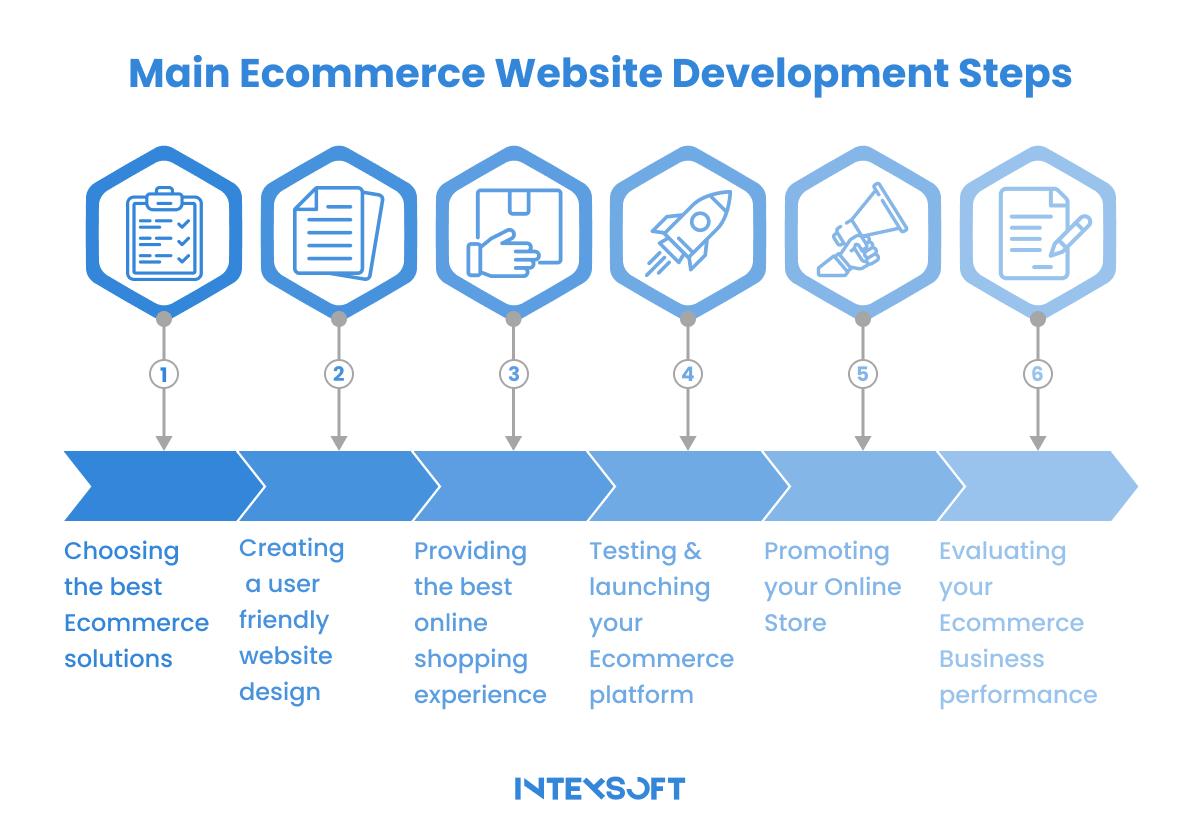
eCommerce store development services include planning, designing, developing, integrating, and maintaining online stores. These services ensure that both customer-facing and administrative functions work smoothly. From product management and checkout setup to third-party integrations and performance optimization, development services cover the complete store lifecycle. Businesses often choose experienced teams to avoid technical complexity and ensure their store is reliable from launch to growth stages.
Types of eCommerce Platforms to Consider


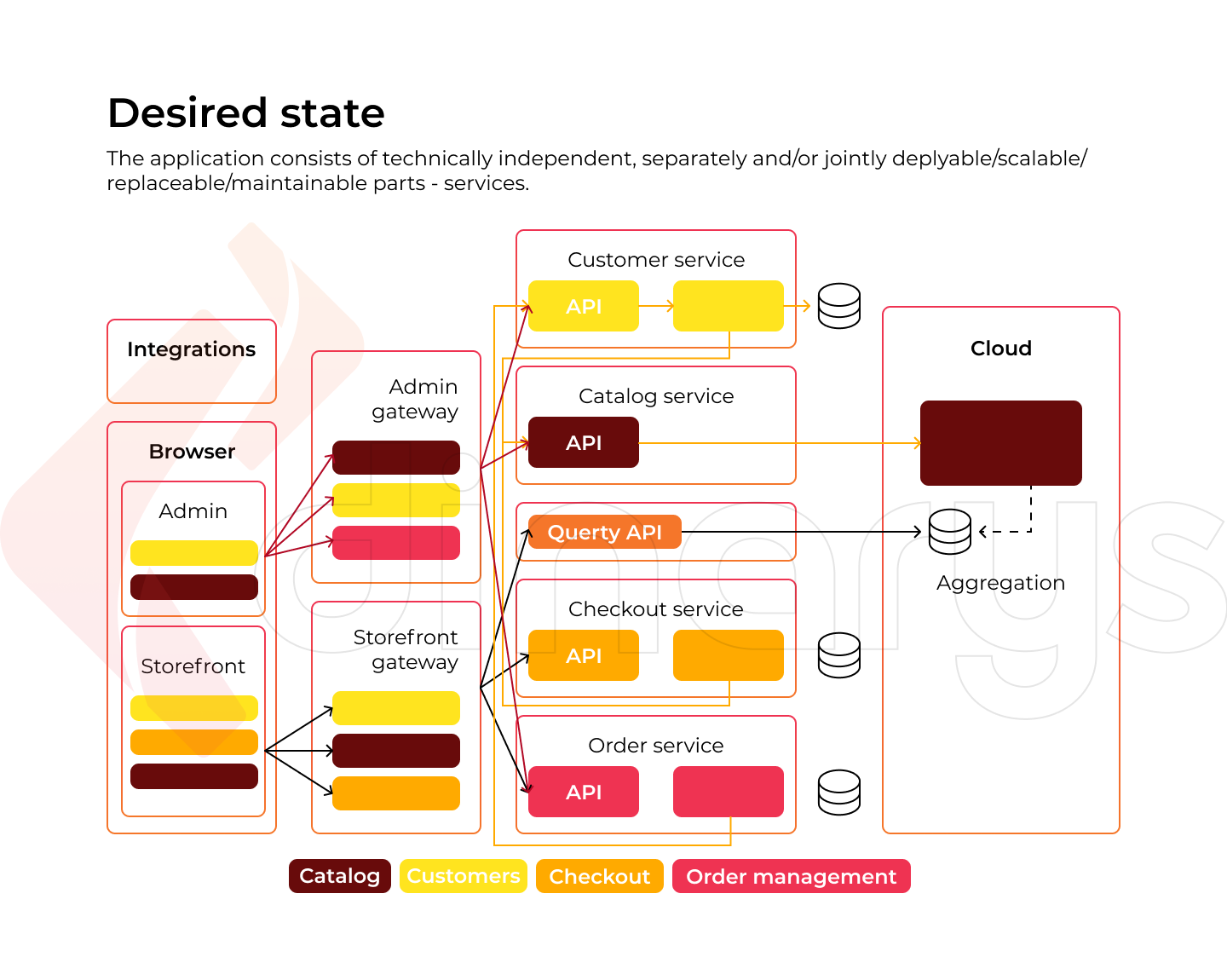
Choosing the right platform is a key decision in the development process.
Hosted Platforms
Shopify is widely used for its ease of setup and managed environment. Many businesses partner with a Shopify ecommerce development company to launch stores quickly while keeping management simple.
Open-Source Platforms
Magento offers high flexibility and customization. Companies with complex requirements often work with a professional Magento web development company to handle advanced integrations and scalability needs.
Custom Solutions
Custom-built platforms are designed for unique business models and advanced automation requirements.
Essential Features Every eCommerce Store Must Have


A successful eCommerce store should include mobile responsiveness, secure payment systems, fast loading speed, easy product management, SEO-friendly structure, and smooth checkout flow. Some businesses also integrate automation and personalization tools powered by Ecommerce AI Agents to enhance customer experience and operational efficiency.
Custom vs Ready-Made eCommerce Development

Ready-made solutions allow faster launches and lower initial costs, making them suitable for small businesses and startups. Custom development, on the other hand, provides full control over design, functionality, and integrations. Businesses using Shopify for dropshipping often rely on ready-made themes combined with selected Shopify dropshipping apps for faster operations.
How to Choose the Right eCommerce Development Company
When selecting a development partner, businesses should evaluate experience, platform expertise, portfolio quality, communication process, and post-launch support. A reliable development company focuses on understanding business goals and delivering solutions that are stable and scalable rather than offering generic templates.
Understanding eCommerce Development Cost Factors
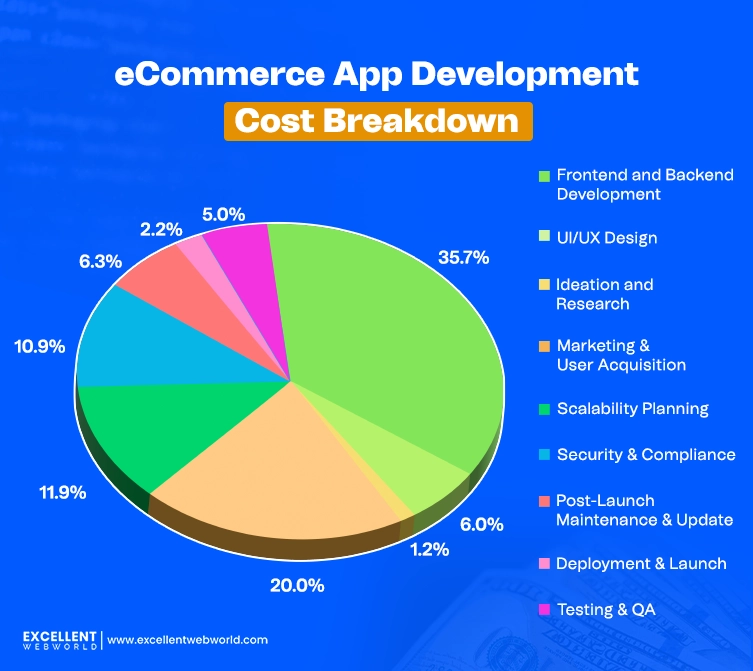
Development costs depend on platform choice, design complexity, number of features, integrations, security requirements, and ongoing maintenance. Clear cost planning helps businesses avoid hidden expenses and ensures realistic budgeting.
Common Mistakes Businesses Should Avoid
Common mistakes include selecting services based only on price, ignoring scalability, overlooking security planning, and skipping long-term maintenance. These errors often lead to higher costs and technical limitations later.
Importance of Security and Maintenance
Security and maintenance are essential for protecting customer data and ensuring stable store performance. Regular updates, monitoring, and technical support help businesses keep their stores secure and reliable over time.
Conclusion
Choosing the right eCommerce store development services requires careful planning, platform understanding, and long-term thinking. By evaluating platforms, features, costs, and support needs, businesses can build online stores that deliver smooth customer experiences and stable performance. A well-developed eCommerce store supports growth, adapts to changing market demands, and provides a strong foundation for long-term digital success.
FAQs
Which platform is better for scaling?
Magento offers deeper customization, while Shopify provides faster growth with easier management.
Can AI be integrated into eCommerce stores?
Yes, Ecommerce AI Agents can improve personalization, customer support, and operational automation.
Are Shopify dropshipping tools supported?
Yes, professional development services support integration of popular shopify dropshipping apps.
