

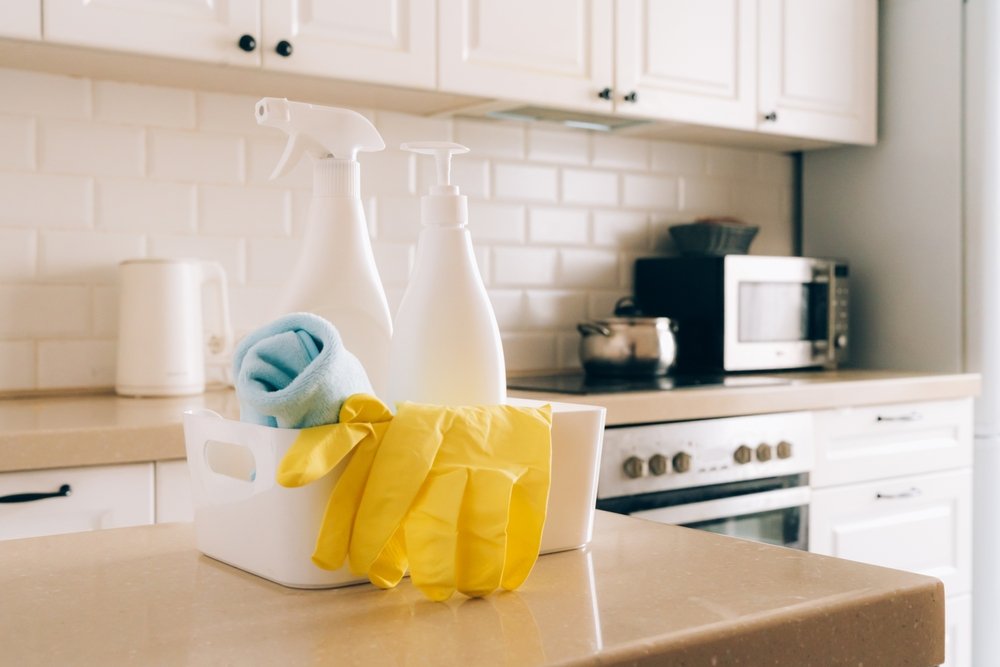
Keeping your kitchen germ-free can feel like a never-ending challenge especially when little hands are constantly exploring, tasting, and touching everything in sight. As a parent, it’s natural to want a clean and safe environment for your family without spending every waking moment scrubbing countertops. The good news? With practical habits and smart strategies, you can maintain a hygienic kitchen while keeping life manageable.
In this guide, we’ll share actionable tips for maintaining a germ-free kitchen, specifically designed for families with kids. These strategies are practical, time-saving, and realistic for busy households.
Why Kitchen Hygiene Matters More When You Have Kids
Keeping your kitchen germ-free is crucial when you have children because their immune systems are still developing, and they tend to touch everything. From grabbing snacks to helping with meal prep, kids increase the number of surfaces that can harbor germs. If you’re feeling overwhelmed, professional cleaning services Calgary can help maintain a spotless, safe kitchen environment, giving you peace of mind while you focus on your family.
1. Focus on High-Touch Areas
Germs love surfaces that everyone touches frequently, think refrigerator handles, light switches, cabinet knobs, and even faucets.
Tips for busy parents:
- Wipe down high-touch areas daily with a safe disinfectant or a solution of water and mild dish soap.
- Keep disinfecting wipes near the sink or kitchen counter for quick cleanups.
- Encourage kids to wash hands before and after touching shared surfaces.
Example: A simple 30-second wipe of fridge handles in the morning can dramatically reduce bacteria spread.
2. Use Separate Cutting Boards
Cross-contamination is a major source of kitchen germs. Raw meat, poultry, and seafood can carry harmful bacteria that spread to other foods if not handled properly.
Practical advice:
- Use color-coded cutting boards: one for raw proteins, one for fruits and vegetables, and one for cooked foods.
- Wash boards thoroughly with hot, soapy water immediately after use.
Tip: Some families keep a dedicated “kid-friendly” cutting board for snacks and lunches, ensuring safety and peace of mind.
3. Encourage Hand Hygiene
Children are naturally curious and touch surfaces constantly, so handwashing is your first line of defense.
Actionable strategies:
- Make handwashing fun: use colorful soaps, sing a 20-second song, or have a handwashing chart for kids.
- Wash hands before and after meal prep, snack time, and after handling pets.
How can I get my kids to wash their hands in the kitchen? Teaching this habit early prevents germs from spreading to food and surfaces.
4. Keep Sponges and Dishcloths Clean
Sponges and dishcloths can harbor more bacteria than many surfaces if not cleaned regularly.
Tips:
- Replace sponges every 1–2 weeks or disinfect by microwaving a damp sponge for 1 minute.
- Wash dishcloths daily in hot water.
- Consider using disposable paper towels for high-risk tasks like wiping raw meat juices.
5. Store Food Safely
Proper food storage is essential to prevent germs from growing.
Practical tips:
- Refrigerate perishable foods promptly and avoid leaving leftovers out for more than 2 hours.
- Keep raw foods separate from ready-to-eat foods.
- Use airtight containers to reduce exposure to bacteria.
Example: Labeling containers with dates helps kids and adults know what’s safe to eat, reducing the risk of accidental foodborne illness.
6. Create a Kid-Friendly Cleaning Routine
Involving children in simple cleaning tasks can be both educational and practical.
Suggestions:
- Assign small responsibilities like wiping their snack area or putting dishes in the sink.
- Turn cleaning into a game, set a timer and see how many surfaces they can safely clean.
This not only reduces germs but teaches lifelong hygiene habits.
7. Optimize Kitchen Layout for Safety and Hygiene
A well-organized kitchen reduces clutter and minimizes germ hotspots.
Actionable ideas:
- Keep frequently used items within reach to avoid unnecessary touching of multiple surfaces.
- Separate snack zones for kids and cooking areas for adults.
- Use washable, easy-to-clean mats and tablecloths in eating areas.
8. Consistency Over Perfection
It’s important to remember that maintaining a germ-free kitchen is about consistent habits, not perfection. Small, regular actions like wiping handles, washing hands, and properly storing food add up to a safer environment for your kids.
Final Thought
A germ-free kitchen doesn’t require hours of scrubbing or extreme measures. By focusing on high-touch surfaces, proper food handling, regular handwashing, and smart cleaning routines, you can create a safe, healthy environment for your family. Small changes like separate cutting boards, clean sponges, and kid-friendly cleaning routines make a big difference.
If you’d like extra support keeping your kitchen spotless, trusted providers like Hellamaid can step in to handle deep cleaning tasks, allowing you to spend more quality time enjoying meals with your kids.
