

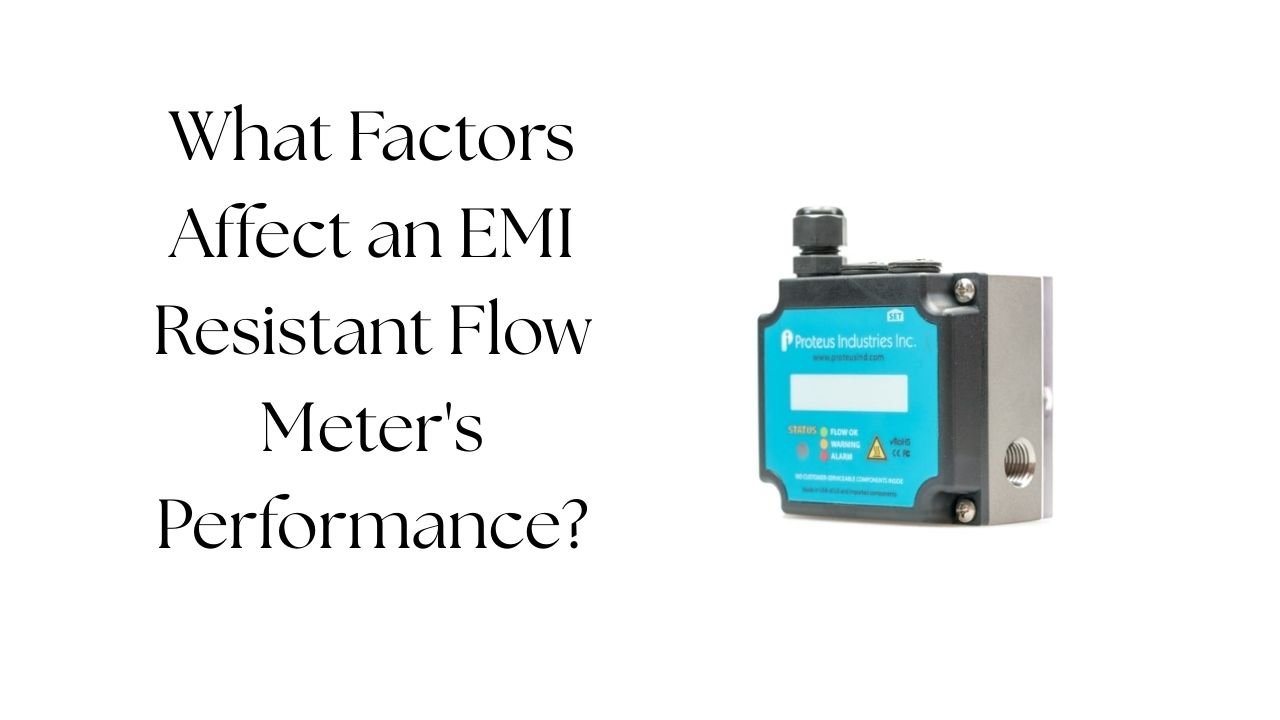
In today’s industrial landscape, accurate flow measurement is critical for process control, efficiency, and safety. However, electromagnetic interference poses a significant challenge to conventional flow meters, potentially causing measurement errors, signal degradation. emi resistant flow meter have emerged as essential instruments in environments with high electromagnetic noise, such as power plants, chemical processing facilities, and manufacturing plants with heavy machinery. Understanding the factors that affect their performance is crucial for engineers and facility managers who depend on precise flow measurements for optimal operations.
Understanding EMI and Its Impact on Flow Measurement
Electromagnetic interference refers to unwanted electromagnetic signals that can disrupt the operation of electronic equipment. In industrial settings, EMI sources are abundant variable frequency drives, electric motors, welding equipment, radio transmitters, and power lines all generate electromagnetic fields that can interfere with sensitive measurement instruments.
For flow meters, EMI can induce spurious signals in sensor cables, corrupt data transmission, and affect the accuracy of flow readings. Even small amounts of interference can lead to measurement drift, erratic readings, or complete signal loss. Industries such as oil and gas, water treatment, pharmaceutical manufacturing, and power generation are particularly vulnerable because they often combine corrosive or hazardous fluids with electrically noisy environments, making reliable flow measurement both challenging and essential.
Key Factors Affecting EMI-Resistant Flow Meter Performance
1. Shielding Quality and Design
The effectiveness of electromagnetic shielding is the most critical factor in the performance of an EMI-resistant flow meter. High-quality shielding acts as a barrier, preventing external electromagnetic fields from penetrating the meter’s sensitive components. Multiple layers of shielding, typically made of materials such as aluminum, copper, or specialized alloys, provide superior protection compared to single-layer designs.
The shield’s integrity is equally important any gaps, seams, or penetrations can create pathways for EMI to enter. Cable shielding must extend continuously from the sensor to the transmitter without interruption. The quality of cable glands, connectors, and junction boxes also plays a vital role in maintaining shield effectiveness. Premium EMI-resistant flow meters incorporate 360-degree shielding continuity and use conductive gaskets to ensure complete electromagnetic isolation.
2. Grounding Systems
Proper grounding is fundamental to EMI resistance and overall performance. A well-designed grounding system provides a low-impedance path for interference currents to dissipate harmlessly rather than affecting measurement signals. The grounding strategy must account for both safety and signal integrity.
Single-point grounding is often preferred to avoid ground loops, which can actually introduce noise into the system. The grounding point should be as close as possible to the flow meter and connected to a clean, dedicated ground rather than sharing grounds with heavy electrical equipment. The ground wire gauge, connection quality, and resistance all influence how effectively the system can reject EMI. Inadequate grounding can negate even the best shielding design.
3. Environmental Conditions
The operating environment significantly impacts the performance of the EMI-resistant flow meter. Temperature extremes can affect the behavior of electronic components, potentially reducing noise immunity. High humidity or corrosive environments may degrade shielding materials and connections over time, creating gaps that allow EMI to penetrate.
The proximity and strength of EMI sources matter considerably. A flow meter installed near a large VFD or welding station faces much higher interference levels than one in a remote location. The frequency spectrum of ambient EMI is also relevant—some meters may be more susceptible to certain frequency ranges. Environmental assessment during installation planning helps identify potential interference sources and allows for appropriate mitigation strategies.
4. Installation Practices
Even the most robust EMI-resistant flow meter can underperform if installed incorrectly. Cable routing is particularly critical—signal cables should never run parallel to power cables for extended distances, as this maximizes inductive coupling of interference. Maintaining adequate separation distance, using conduit, and crossing power cables at right angles when necessary all reduce EMI pickup.
The physical mounting of the meter affects grounding effectiveness and mechanical vibration, which can loosen connections over time. Ensuring proper torque on electrical connections, using specified cable types, and following manufacturer installation guidelines are not optional—they directly determine long-term performance. Shortcuts during installation often lead to intermittent problems that are difficult to diagnose later.
5. Signal Processing Technology
Modern EMI-resistant flow meters employ sophisticated signal processing to distinguish legitimate flow signals from interference. Advanced filtering algorithms, digital signal processing (DSP), and error detection protocols enable meters to maintain accuracy even in challenging electromagnetic environments.
The sampling rate, analog-to-digital conversion resolution, and processing algorithms all influence how well a meter can reject noise while preserving measurement fidelity. Some meters use redundant measurement circuits or adaptive filtering that adjusts to changing interference patterns. The quality of internal components—amplifiers, filters, and processors—determines the instrument’s inherent noise floor and dynamic range.
Optimization and Maintenance for Peak Performance
Maintaining optimal performance of an EMI-resistant flow meter requires ongoing attention. Regular calibration verifies that accuracy hasn’t drifted due to component aging or environmental stresses. Periodic inspection of cable shields, connectors, and grounding connections can identify degradation before it causes measurement problems.
Monitoring trends in measurement stability can provide early warning of developing EMI issues. Sudden increases in signal noise or measurement variability often indicate shield damage, ground problems, or new interference sources. Implementing a preventive maintenance schedule that includes electrical testing and visual inspection extends meter life and ensures reliable measurements.
Conclusion
The performance of an flow meter depends on multiple interrelated factors, including the quality of electromagnetic shielding and grounding systems, as well as environmental conditions and installation practices. Understanding these factors enables better selection, installation, and maintenance of flow measurement systems in electromagnetically challenging environments. By addressing shielding integrity, implementing proper grounding, accounting for environmental factors, adhering to best installation practices, and leveraging advanced signal processing, industries can achieve reliable flow measurement even in the presence of significant electromagnetic interference. As industrial facilities add more electronic equipment and automation, the importance of EMI-resistant flow meters and the factors affecting their performance will only grow.
