

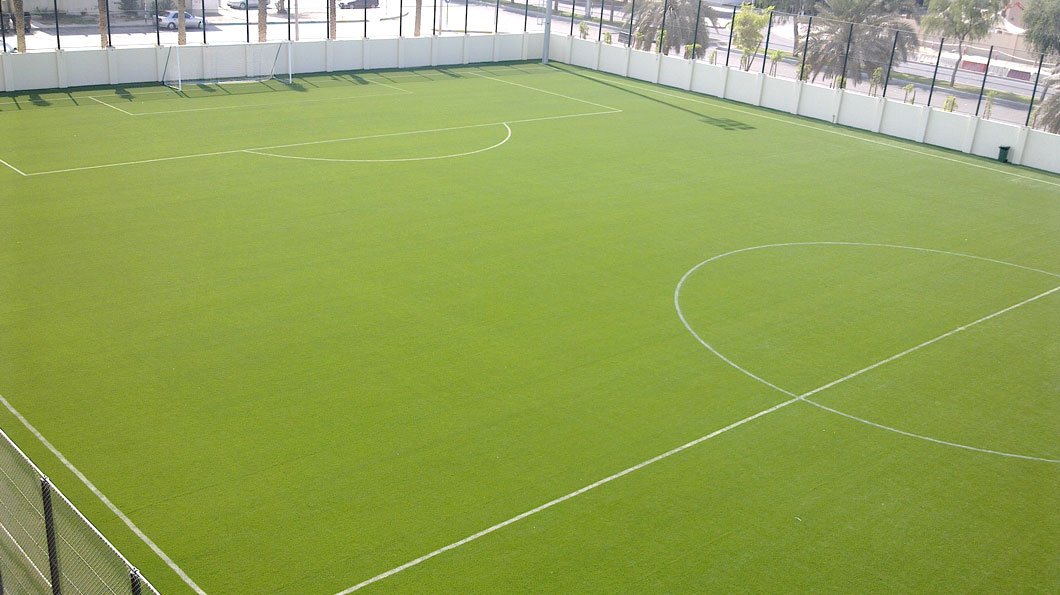
Landscaping in the UAE comes with unique challenges, particularly because of the region’s arid climate, high temperatures, and limited water resources. Homeowners, businesses, and public spaces all face the decision of choosing the most suitable ground cover for their gardens and outdoor areas. One common debate is between natural grass and artificial turf. Many people now turn to an artificial turf supplier in UAE for a solution that combines aesthetics with practicality. But how do these two options truly compare, and which one is better for UAE landscapes?
Understanding Natural Grass
Natural grass has been the traditional choice for lawns and gardens for centuries. It is valued for its beauty, ability to cool the surrounding environment, and contribution to a natural ecosystem. Grass is more than just a decorative feature; it absorbs carbon dioxide, produces oxygen, and supports insects and other small wildlife.
However, maintaining natural grass in the UAE is not without its challenges. The intense heat and arid climate make it difficult for grass to thrive without constant watering, fertilizing, and maintenance. Additionally, certain types of grass that perform well in temperate climates may not survive the harsh UAE summers. Choosing the right grass variety is crucial, and this often involves significant effort and cost.
Water Consumption
One of the biggest concerns with natural grass in the UAE is its high water requirement. Lawns and gardens need consistent irrigation, sometimes several times a week, especially during the summer months. This not only raises water bills but also puts pressure on already limited water resources. With water conservation being a priority in the region, natural grass can sometimes be seen as an unsustainable choice.
Maintenance Requirements
Maintaining natural grass requires more than just watering. Homeowners and landscapers must regularly mow, fertilize, treat for pests, and ensure the soil remains healthy. Neglecting any of these aspects can lead to patchy lawns, weed infestations, or disease outbreaks. For commercial properties or large outdoor spaces, these maintenance tasks can become a significant financial and labor investment.
Natural Aesthetics
Despite these challenges, natural grass provides an aesthetic that is hard to replicate. The soft texture, vibrant color, and natural scent create an inviting and pleasant environment. It also has a cooling effect during hot months, as it absorbs heat rather than reflecting it. For those who prioritize environmental benefits and natural beauty, grass remains a preferred choice.
Exploring Artificial Turf
Artificial turf has become increasingly popular across the UAE due to its practicality, durability, and low maintenance requirements. Modern artificial grass is designed to look and feel like natural grass while offering numerous advantages for arid climates. Many property owners turn to an artificial grass supplier to provide high-quality synthetic turf that suits residential, commercial, and recreational areas.
Water Efficiency
One of the most significant advantages of artificial turf is its water efficiency. Unlike natural grass, artificial turf requires no watering, which is a huge benefit in the UAE’s desert climate. Installing artificial grass can dramatically reduce water consumption, making it an environmentally friendly and cost-effective alternative.
Low Maintenance
Artificial turf eliminates many of the maintenance tasks associated with natural grass. There is no need for mowing, fertilizing, or treating for pests. Cleaning is usually limited to removing debris and occasionally rinsing the surface. This makes artificial turf particularly attractive for busy homeowners, commercial spaces, and public areas where ongoing maintenance can be expensive and time-consuming.
Durability and Longevity
Artificial turf is designed to withstand heavy use without deteriorating. It remains green and visually appealing throughout the year, regardless of weather conditions. For sports fields, playgrounds, or high-traffic areas, this durability makes artificial grass a practical choice. It does not develop bald patches or die during extreme heat, which is a common problem for natural grass in the UAE.
Environmental Considerations
While artificial turf reduces water consumption, there are environmental trade-offs to consider. Producing synthetic grass involves the use of plastics and other materials, and at the end of its life cycle, disposal can be challenging. However, some modern artificial turfs are recyclable, and using them can still result in significant water savings compared to natural grass.
Comparing Cost Factors
When deciding between natural grass and artificial turf, cost is an important consideration. Natural grass may have a lower initial installation cost, especially if seeds are used rather than sod. However, the ongoing maintenance, water usage, and fertilization expenses can add up over time.
Artificial turf typically has a higher upfront cost due to installation, but it provides long-term savings. Reduced water bills, minimal maintenance, and durability make artificial turf a financially viable option over several years. For many UAE property owners, this long-term cost efficiency is a major reason to choose synthetic grass.
Installation Considerations
The installation process differs significantly between natural grass and artificial turf. Natural grass requires soil preparation, proper drainage, and careful planting. Sod installation is faster but still requires a commitment to watering and care until the grass is established. Seeded lawns take longer to grow and may face challenges with germination in hot climates.
Artificial turf installation involves preparing the ground, adding a base layer of sand or crushed stone, and securing the turf in place. Once installed, it is immediately ready for use, making it a convenient option for new developments, rooftops, or areas where quick landscaping solutions are needed.
Comfort and Appearance
Natural grass provides a softer, cooler surface underfoot, which can be more comfortable during hot months. It also offers a natural smell and feel that many people associate with outdoor spaces. However, artificial turf has improved significantly in quality. Modern synthetic grass is designed to mimic the texture and appearance of natural grass closely. While it may feel slightly warmer in direct sunlight, it remains functional and visually appealing year-round.
Sustainability and Environmental Impact
Sustainability is an increasingly important factor in landscaping decisions. Natural grass contributes to carbon absorption and supports local ecosystems but consumes large amounts of water and requires chemical fertilizers, which can have negative environmental impacts.
Artificial turf reduces water usage and eliminates the need for chemical treatments, but it is made from synthetic materials and has an eventual disposal issue. Weighing the environmental impact of both options requires considering water scarcity, maintenance practices, and material recycling possibilities.
Ideal Applications in the UAE
Both natural grass and artificial turf have ideal applications in UAE landscapes. Natural grass is suitable for areas where aesthetics, cooling, and natural feel are top priorities, such as private gardens or parks with sufficient irrigation. It works well in spaces where environmental benefits, such as supporting insects and wildlife, are valued.
Artificial turf is best suited for areas where maintenance, water conservation, and durability are priorities. High-traffic areas, commercial properties, rooftop gardens, sports fields, and playgrounds benefit from synthetic grass. Its consistent appearance and low upkeep make it ideal for environments where regular maintenance of natural grass would be difficult or expensive.
Making the Choice
Choosing between natural grass and artificial turf depends on several factors, including climate, budget, maintenance capacity, and environmental priorities. For UAE residents, artificial turf provides a practical solution to the challenges posed by heat, water scarcity, and high maintenance demands. Consulting with a reliable artificial turf supplier can help property owners select the right type of synthetic grass, ensuring quality and longevity.
Meanwhile, if the goal is to prioritize natural aesthetics and environmental benefits, investing in high-quality grass varieties suited for arid climates can make natural lawns feasible with proper planning and care. In many cases, a combination of both options may provide the best balance, such as artificial turf in high-traffic areas and natural grass in shaded or low-use spaces.
Conclusion
The debate between natural grass and artificial turf in the UAE is multifaceted. Natural grass offers beauty, environmental benefits, and a familiar aesthetic but comes with high water consumption and maintenance requirements. Artificial turf, on the other hand, provides a low-maintenance, durable, and water-efficient alternative that is well-suited to the region’s climate.
By consulting an artificial grass supplier in UAE, homeowners and businesses can explore high-quality synthetic options that meet both aesthetic and practical needs. Ultimately, the choice depends on individual priorities, budget, and the intended use of the space. With thoughtful planning, both natural grass and artificial turf can create beautiful, functional landscapes that enhance the UAE environment.
