

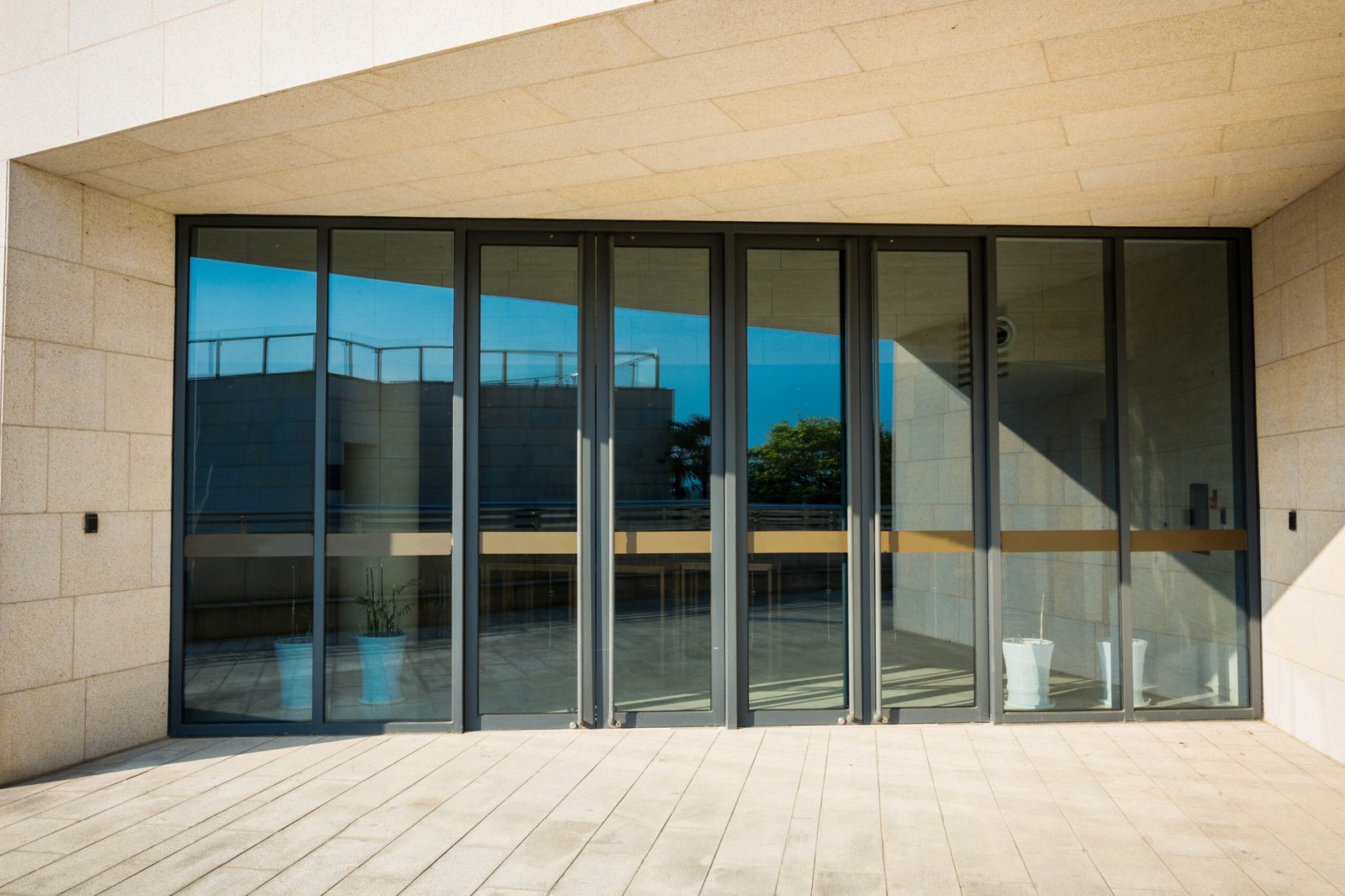
In a fast growing and innovation driven country like the UAE, the demand for smart building solutions continues to rise. From commercial complexes and hospitals to hotels and residential towers, automation has become an essential part of modern infrastructure. One of the most visible and impactful innovations is automatic doors UAE , which are transforming how people enter and move through buildings every day. These systems are not only about luxury or aesthetics, they play a vital role in improving accessibility, safety, hygiene, and energy efficiency across different environments.
As urban development accelerates and architectural standards evolve, automatic door systems are now considered a practical necessity rather than an optional upgrade. Their integration reflects a commitment to comfort, inclusivity, and contemporary design, aligning perfectly with the UAE’s vision for smart and sustainable cities.
The Growing Importance of Automatic Doors in the UAE
The UAE is known for its iconic architecture, advanced infrastructure, and high standards of living. Buildings are designed to offer convenience while meeting international safety and accessibility norms. Automatic doors support these goals by providing seamless access without physical effort, making them ideal for high traffic areas and diverse user groups.
With extreme temperatures for much of the year, buildings must also be energy efficient. Automatic doors help maintain indoor climate control by reducing the amount of time entrances remain open. This contributes to lower energy consumption and improved comfort for occupants and visitors alike.
Another factor driving adoption is the country’s focus on inclusivity. Automatic doors allow easy access for people with disabilities, senior citizens, and families with strollers, ensuring that public and private spaces are welcoming to everyone.
Understanding How Automatic Doors Work
Automatic doors operate using sensors, control units, and motorized mechanisms that respond to movement or presence. When a person approaches, sensors detect motion or body heat and send a signal to the control system. The door then opens smoothly and closes after a set time once the area is clear.
These systems are designed with safety features such as obstacle detection and emergency opening functions. In case of power failure or emergencies, many doors automatically switch to a safe mode, ensuring uninterrupted exit and entry.
Modern systems can also be integrated with access control, security cameras, and building management systems, making them a smart addition to advanced properties.
Types of Automatic Doors Commonly Used
Sliding Automatic Doors
Sliding doors are widely used in shopping malls, hospitals, airports, and office buildings. They are ideal for areas with high foot traffic and limited space. Their smooth operation and wide opening make them both practical and visually appealing.
Swing Automatic Doors
Swing doors are suitable for locations where sliding doors may not be practical. They are commonly used in clinics, offices, and residential buildings. These doors can open inward or outward and are often chosen for their classic appearance combined with modern automation.
Revolving Automatic Doors
Revolving doors are popular in hotels and premium commercial buildings. They help regulate indoor temperatures by minimizing air exchange with the outside environment. In addition to energy efficiency, they add a touch of sophistication to building entrances.
Telescopic Automatic Doors
Telescopic doors are designed for wide openings where space is limited. Multiple panels slide together, providing a larger clear opening compared to standard sliding doors. They are often used in retail outlets and large commercial spaces.
Key Benefits of Automatic Doors
Enhanced Convenience
Automatic doors eliminate the need for physical effort to open or close doors. This is especially beneficial in busy locations where people may be carrying bags or equipment. The hands free operation creates a smooth and pleasant experience for users.
Improved Safety and Accessibility
Safety is a major consideration in building design. Automatic doors reduce the risk of accidents caused by manual door operation. Features like slow closing speeds, sensor based obstruction detection, and emergency opening modes enhance user safety.
Accessibility is equally important. Automatic doors ensure compliance with accessibility standards, making spaces usable for individuals with mobility challenges. This inclusivity is essential in public buildings across the UAE.
Better Hygiene Standards
In environments such as hospitals, clinics, and food related facilities, hygiene is critical. Automatic doors reduce physical contact with surfaces, minimizing the spread of germs and bacteria. This has become even more important in recent years with increased awareness of public health.
Energy Efficiency and Climate Control
Automatic doors help maintain indoor temperatures by opening only when needed and closing promptly. This reduces air leakage, supports air conditioning efficiency, and lowers energy costs. In a region with high cooling demands, this benefit is particularly valuable.
Role of Automatic Doors in Commercial Spaces
Commercial properties rely heavily on first impressions and functional design. Automatic doors enhance the professional image of a business while improving operational efficiency. In retail spaces, they encourage easy entry, which can positively influence customer flow and engagement.
Office buildings benefit from controlled access and smooth movement of employees and visitors. Hotels use automatic doors to create a welcoming atmosphere that reflects comfort and luxury. In all these settings, the presence of well designed automatic doors supports both branding and practicality.
Many businesses work closely with automatic doors suppliers in UAE to ensure that systems are customized to their specific requirements, whether it involves size, finish, or integration with security systems.
Automatic Doors in Residential and Mixed Use Developments
Residential towers and gated communities are increasingly adopting automatic doors in common areas such as lobbies and parking entrances. These doors enhance security by integrating with access control systems while providing residents with convenient, touch free entry.
In mixed use developments that combine residential, commercial, and retail spaces, automatic doors help manage different traffic flows efficiently. They contribute to a cohesive design language and ensure consistent functionality throughout the property.
As smart home and smart building concepts gain popularity, automatic doors are becoming a standard feature rather than a premium add on.
Design and Aesthetic Appeal
Automatic doors are no longer limited to purely functional designs. They are available in a wide range of materials, finishes, and styles that complement modern architecture. Glass panels, sleek frames, and minimalistic hardware allow these doors to blend seamlessly into contemporary spaces.
Architects and designers often incorporate automatic doors as a design element, using transparency and motion to create a sense of openness. This balance between technology and aesthetics is a key reason for their widespread adoption.
Maintenance and Long Term Performance
Like any mechanical system, automatic doors require regular maintenance to ensure optimal performance. Routine inspections, sensor calibration, and component checks help prevent unexpected issues and extend the lifespan of the system.
Property managers often collaborate with automatic doors suppliers in uae who provide maintenance support and technical expertise. Proper upkeep ensures that doors operate smoothly, safely, and quietly over time.
Investing in quality systems and professional installation reduces long term costs and enhances reliability.
Compliance with Safety and Building Standards
Buildings in the UAE must adhere to strict safety and construction regulations. Automatic doors are designed to meet these standards, including fire safety requirements and emergency exit protocols.
In many cases, doors are integrated with fire alarm systems so they respond appropriately during emergencies. This level of compliance is essential for public safety and legal approval of commercial and residential projects.
Working with experienced automatic doors suppliers in uae helps ensure that installations meet all relevant regulations and performance expectations.
Future Trends in Automatic Door Technology
The future of automatic doors lies in smarter and more connected systems. Advancements in sensor technology, artificial intelligence, and Internet of Things integration are shaping the next generation of solutions.
Doors may soon adapt to traffic patterns, recognize authorized users, or adjust opening speeds based on environmental conditions. Energy monitoring and predictive maintenance features are also becoming more common, further improving efficiency and reliability.
As smart city initiatives expand, automatic doors uae will continue to evolve as an integral component of intelligent building ecosystems.
Choosing the Right Automatic Door Solution
Selecting the right automatic door depends on several factors, including location, usage frequency, space availability, and design preferences. Understanding these requirements helps in choosing a system that delivers maximum value and performance.
Consulting professionals and planning installations during the design phase of a project can prevent costly modifications later. A well chosen system enhances user experience and supports long term operational goals.
The expertise of automatic doors suppliers in uae plays a crucial role in matching the right technology to the right application.
Final Thought
Automatic doors have become a defining feature of modern buildings in the UAE, reflecting the nation’s commitment to innovation, comfort, and inclusivity. They enhance daily experiences by offering seamless access, improved safety, and efficient climate control. As architecture continues to evolve and smart technologies become more deeply embedded in urban life, automatic doors uae will remain a key element in shaping functional and future ready spaces. By investing in the right solutions today, property owners and developers can create environments that are not only visually impressive but also practical, sustainable, and welcoming for years to come.
