

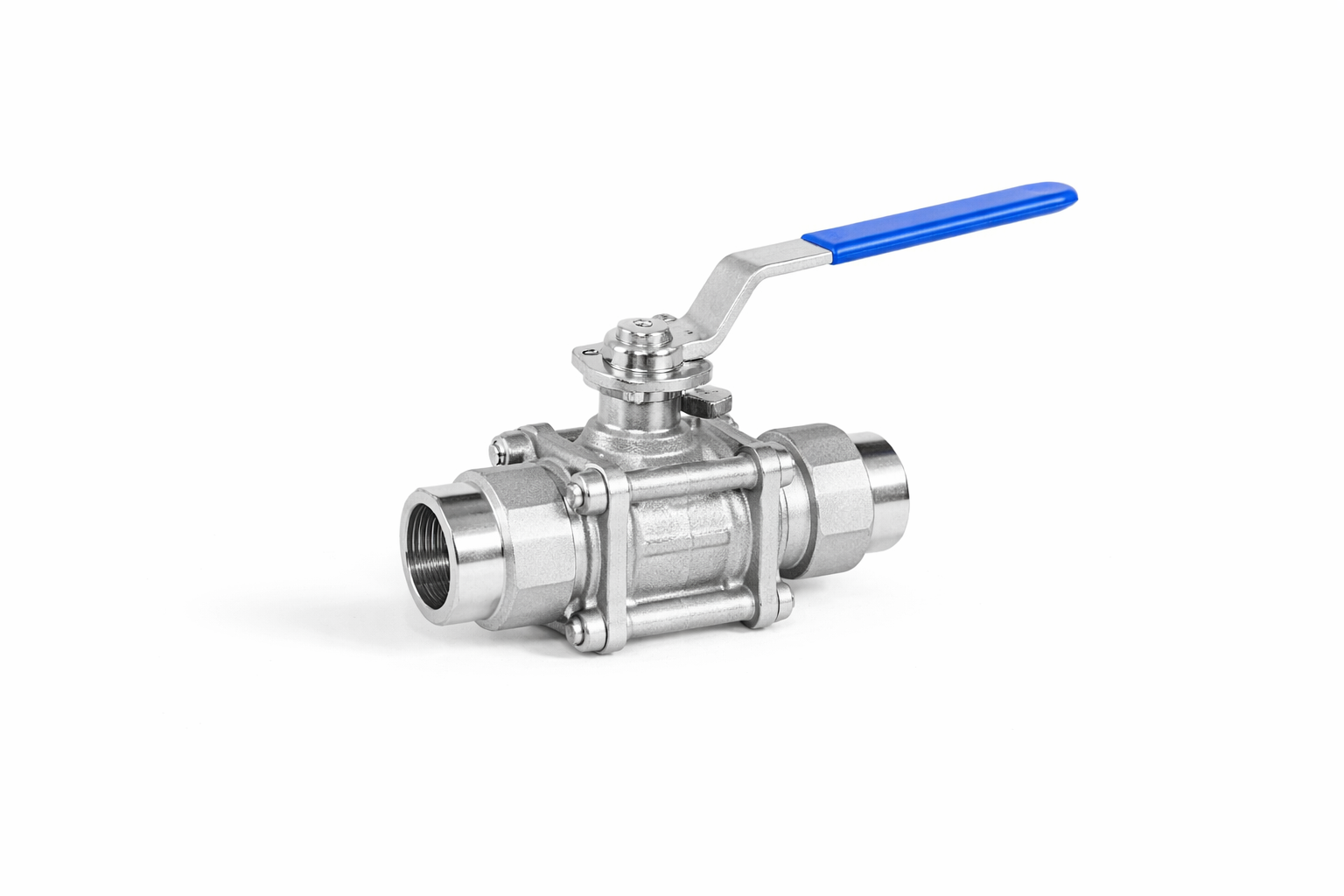
In modern industrial environments, pipeline systems must operate with maximum reliability, safety, and efficiency. Whether handling water, steam, chemicals, gas, or oil, the quality of flow control components directly affects overall plant performance. This is where ISO-certified manual valves play a crucial role. Designed to meet international standards, these valves ensure consistent quality, durability, and operational safety in demanding industrial conditions.
Industrial facilities depend on precision-engineered manual valves to control, isolate, and regulate the flow of media across complex pipeline networks. When these valves are manufactured under ISO-certified processes, buyers gain additional assurance of quality control, traceability, and compliance with global standards.
Why ISO Certification Matters in Industrial Valves
ISO certification indicates that a manufacturer follows internationally recognized quality management systems. For industrial buyers, this certification is not just a label—it represents:
- Standardized manufacturing procedures
- Strict quality control at every production stage
- Material traceability and documentation
- Continuous improvement systems
- Compliance with global industrial standards
When purchasing manual valves for critical applications, ISO certification ensures that the product meets consistent performance and safety benchmarks.
Role of Manual Valves in Industrial Pipeline Systems
Pipeline systems form the backbone of industrial operations. They transport fluids and gases under controlled pressure and temperature conditions. High-quality manual valves are essential for:
- On-off isolation of pipeline sections
- Flow regulation and throttling
- Emergency shut-off operations
- Maintenance and safety control
- Pressure management within systems
Without properly engineered manual valves, pipeline integrity and operational safety can be compromised.
Common Manual Valves Used in Industrial Systems
Different industrial applications require specific valve types. ISO-certified manufacturers typically produce a wide range of manual valves including:
Manual Gate Valves
Used primarily for isolation service. They provide minimal pressure drop when fully open.
Manual Globe Valves
Designed for throttling and precise flow regulation.
Manual Ball Valves
Offer quick quarter-turn operation and excellent sealing performance.
Manual Butterfly Valves
Lightweight and compact, ideal for large-diameter pipelines.
Each type of manual valves serves a distinct function within pipeline systems.
Key Benefits of ISO-Certified Manual Valves
1. Consistent Product Quality
ISO-certified production ensures uniform design, machining accuracy, and testing procedures. This consistency reduces the risk of leakage and mechanical failure in manual valves.
2. Enhanced Operational Safety
Industrial pipeline systems often operate under high pressure and temperature. Certified manual valves undergo strict testing to ensure reliable sealing and structural strength.
3. Long Service Life
Quality-controlled materials and precision manufacturing extend the operational lifespan of manual valves, reducing replacement frequency and downtime.
4. Global Compliance
ISO-certified manual valves meet international requirements, making them suitable for export and multinational industrial projects.
Industries That Rely on ISO-Certified Manual Valves
Oil & Gas Industry
In upstream and downstream operations, high-pressure pipeline systems require durable manual valves that can withstand harsh environmental conditions.
Power Generation
Steam and cooling water systems depend on reliable manual valves to maintain stable energy production.
Chemical & Petrochemical Plants
Handling corrosive media demands corrosion-resistant manual valves manufactured with strict quality controls.
Water Treatment & Infrastructure
Municipal and industrial water systems rely on cost-effective and efficient manual valves for consistent flow control.
Material Selection and Design Considerations
The performance of manual valves depends heavily on material compatibility and design strength. ISO-certified manufacturers ensure that:
- Body materials match pressure and temperature ratings
- Sealing components resist chemical corrosion
- Stem and seating designs prevent leakage
- Surface finishing meets industrial standards
Proper material selection ensures that manual valves function effectively across varying operating environments.
Testing and Quality Assurance
ISO-certified manual valves undergo rigorous testing, including:
- Hydrostatic pressure testing
- Leakage and seat testing
- Dimensional inspection
- Material verification
- Performance evaluation
These testing procedures guarantee that manual valves meet safety and operational standards before installation.
Manual Valves vs Automated Valves in Pipeline Systems
While automated valves offer remote control advantages, manual valves remain essential due to:
- Lower installation costs
- Simpler maintenance requirements
- Reliable operation without power dependency
- Immediate manual control during emergencies
In many industrial facilities, a combination of automated systems and manual valves ensures optimal safety and efficiency.
Choosing the Right ISO-Certified Manual Valves
When selecting manual valves for industrial pipeline systems, consider:
- Operating pressure and temperature
- Type of media (liquid, gas, steam)
- Frequency of operation
- Industry-specific standards
- Certification and documentation
Working with an ISO-certified manufacturer ensures traceability, quality documentation, and long-term performance assurance.
Cost vs Long-Term Value
Although ISO-certified manual valves may have a slightly higher initial cost compared to uncertified alternatives, they offer:
- Reduced leakage risk
- Lower maintenance expenses
- Extended operational life
- Higher safety compliance
Over time, certified manual valves provide better return on investment and minimize operational disruptions.
Conclusion
ISO-certified manual valves are a reliable and essential component of industrial pipeline systems. Their precision engineering, rigorous testing, and compliance with international standards make them ideal for demanding industrial applications. From oil and gas to power generation and water treatment, high-quality manual valves ensure safe, efficient, and long-lasting flow control.
Investing in ISO-certified manual valves is not just about meeting standards—it is about ensuring operational excellence, safety, and long-term system reliability.
