


When products move from one place to another, a lot happens that customers never see. Boxes are stacked, shifted, tilted, and sometimes handled far less gently than expected. That is why questions around cardboard boxes and transit safety come up so often. People want to know whether something so simple can really be trusted.
The truth is, cardboard boxes have been used for decades, not because they are cheap or convenient, but because they work. When chosen correctly and paired with the right packaging materials, they can protect everything from everyday household items to awkward, oversized products.
Why Have Cardboard Boxes Become a Standard Choice for Shipping?
They Respond Well to Pressure, Not Against It
One reason cardboard boxes perform well during transit is their ability to absorb stress. Instead of cracking or snapping, cardboard slightly compresses under applied weight. This is important when boxes are stacked in trucks or warehouses.
Rigid packaging may look stronger, but it often transfers impact directly to the product. Cardboard softens that impact, especially when supported by suitable packaging materials.
They Simplify Handling Throughout the Journey
Transit safety is not only about strength. It is also about how often a box is moved. Cardboard boxes are easy to lift, grip, and stack. This reduces awkward handling, lowering the risk of drops or sudden impacts during loading and unloading.
Does the Type of Cardboard Box Affect Its Security?
Not All Cardboard Boxes Perform the Same Way
This is where many shipping issues begin. A box that looks fine on the outside may not be suited to the product inside. Thin cardboard, weak seams, or poor sizing can turn even simple transport into a risk.
Stronger cardboard boxes are designed to hold weight without bowing or collapsing. When the box structure matches the product’s size and weight, transit becomes far more predictable.
Size Matters More Than People Think
An oversized box allows items to move. A box that is too small puts pressure on edges and corners. Both situations increase damage risk. Proper sizing reduces reliance on excessive packaging materials and keeps products stable during movement.
Why Are Specialized Cardboard Boxes Important for Certain Products?
Long Items Behave Differently in Transit
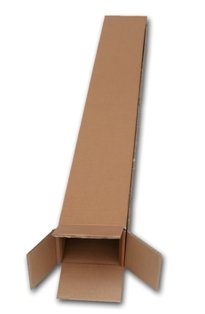
Golf club boxes exist for a reason. Long products experience stress at multiple points during lifting or stacking. Standard boxes often bend under that pressure, even if the cardboard itself is strong.
These boxes are shaped to distribute weight evenly along the length of the product, reducing bending and impact at the ends.
Clothing Requires Protection Without Compression
Wardrobe boxes solve a different problem. Clothing does not break, but it can crease, stretch, or lose shape. Folding garments into standard cardboard boxes often leads to unnecessary damage.
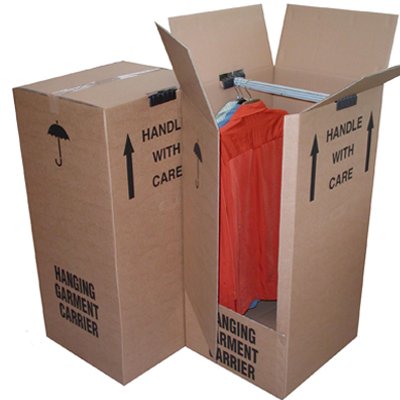
These boxes allow clothes to hang naturally, keeping them stable without relying heavily on extra packaging materials. This makes them especially useful during moves or long-distance transport.
Are Cardboard Boxes Safe for Fragile Items?
The Box Is Only Part of the System
Fragile items can be shipped safely in cardboard boxes, but only when the packing approach is complete. The outer box provides structure. The inner packaging materials manage shock and vibration.
Problems usually arise when one of these elements is missing or poorly chosen.
Experience Improves Results Over Time
Regularly shipping businesses learn which cardboard boxes work best for their products. Over time, they adjust box size, wall strength, and internal support. That practical experience matters more than any generic packaging rule.
How Do Packaging Materials Support Transit Safety?
Movement Causes More Damage Than Impact
Most transit damage occurs when products move inside the box. Packaging materials such as cushioning, dividers, or wraps limit that movement and prevent direct contact with the box walls.
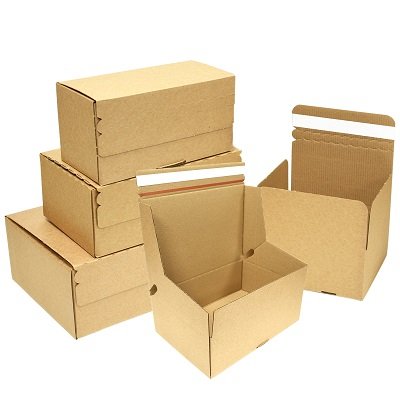
When used correctly, they allow cardboard boxes to do their job without being excessively thick or heavy.
Less Material Can Still Mean Better Protection
Overpacking is a common mistake. Too many fillers can shift during transit, creating pressure points. Thoughtful use of packaging materials keeps the product secure without creating new risks.
What Should Be Considered Before Choosing Cardboard Boxes?
The Journey Matters as Much as the Product
A short local delivery and a long-distance shipment face very different conditions. Transit time, handling points, and storage environments all affect how cardboard boxes perform.
Choosing between standard boxes, golf club boxes, or wardrobe boxes should always reflect how the product will travel, not just how it fits inside.
Practical Choices Improve Consistency
Reliable transit comes from repeatable packing decisions. Using the same box type, packaging materials, and packing method reduces uncertainty and improves outcomes over time.
Conclusion
Cardboard boxes remain one of the most reliable options for product transit when used correctly. Their strength, flexibility, and ease of handling make them suitable for a wide range of shipping needs. Whether using standard cartons, specialized golf club boxes, or protective wardrobe boxes, transit safety depends on thoughtful selection and proper support. When cardboard boxes and packaging materials work together, products arrive intact, protected, and ready for use.
