

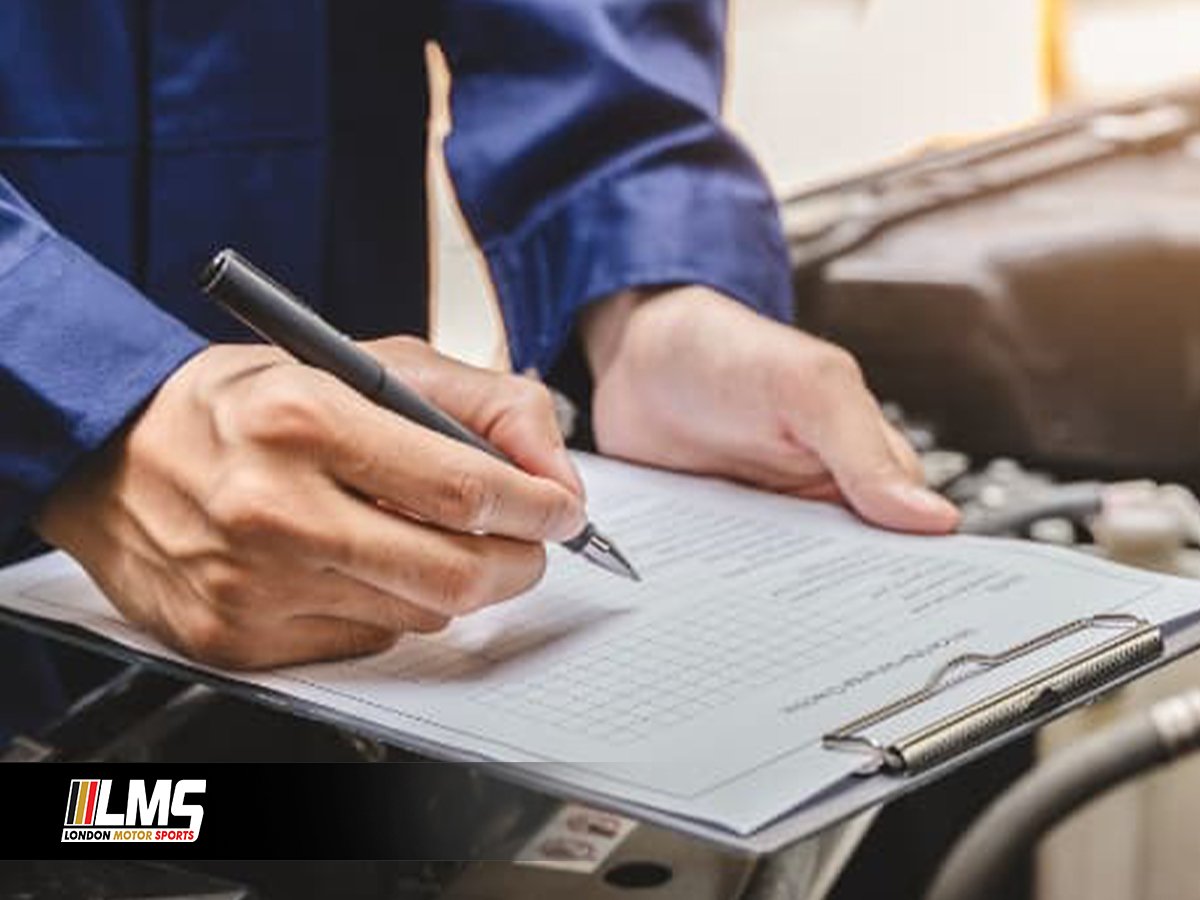
A car’s MOT (Ministry of Transport) check is an essential annual test that ensures vehicles in the UK meet safety and environmental standards. Regular MOT checks are not only a legal requirement but also crucial for keeping your vehicle roadworthy. Understanding the common issues flagged during MOT inspections and knowing what to look for can help you maintain your car and avoid costly repairs.
What Is a Car MOT Check?
An MOT check assesses various aspects of a vehicle, including brakes, tyres, lights, emissions, and overall roadworthiness. It is required for most vehicles over three years old in the UK. The test ensures your car meets minimum safety standards and reduces the risk of accidents caused by faulty components.
Common Issues Found During an MOT
During an MOT check, inspectors examine several key areas of your vehicle. Some of the most common issues include:
1. Brake Problems
Brake defects are a serious safety concern. Common issues flagged during an MOT include worn brake pads, damaged brake discs, and uneven braking. If your car struggles to stop effectively or you hear unusual noises while braking, it may fail the MOT.
2. Tyre Defects
Tyres are another critical safety component. Inspectors check for tread depth, damage, and proper inflation. Tyres with insufficient tread or visible damage such as cuts, bulges, or cracks can cause an MOT failure. Regularly checking your tyres can prevent issues before the inspection.
3. Lights and Electrical Faults
Properly functioning lights are essential for visibility and safety. Common MOT issues include broken headlights, tail lights, indicators, or faulty brake lights. Electrical faults, such as blown fuses or malfunctioning dashboard indicators, may also be identified.
4. Emissions Failures
Vehicles must meet emission standards to pass the MOT. Excessive exhaust smoke or high pollutant levels may result in a failure. Regular servicing and keeping your engine in good condition can reduce the risk of emissions problems.
5. Suspension and Steering Issues
The MOT includes checks on suspension components, shock absorbers, and steering mechanisms. Worn or damaged suspension can affect handling, ride quality, and safety. Signs of suspension issues include unusual noises or uneven tyre wear.
6. Bodywork and Structural Damage
While cosmetic damage may not always affect the MOT, structural issues, corrosion, or sharp edges can lead to failure. Inspectors also check seat belts, windscreen condition, and mirrors for damage or defects.
Tips for Preparing for a Car MOT Check
- Regular Maintenance: Keep up with routine servicing, oil changes, and minor repairs to avoid unexpected failures.
- Pre-Check Your Vehicle: Examine tyres, lights, wipers, and brakes before your MOT to address obvious issues.
- Keep Records: Maintain a log of previous MOTs and repairs to help the inspector understand your car’s history.
- Use a Trusted Garage: Having your MOT done at a reliable garage ensures accurate assessment and professional advice.
What to Do If Your Car Fails
If your car fails its MOT, the garage will provide a list of issues that need fixing. Some problems are minor and can be repaired immediately, while others may require more significant work. Once repairs are completed, your car can be retested to ensure it meets all legal and safety standards.
Final Thoughts
A car MOT check is an essential part of responsible vehicle ownership. Being aware of common issues such as brake problems, tyre defects, lighting faults, emissions failures, and suspension issues can help you prepare for your inspection. Regular maintenance and early repairs not only increase the likelihood of passing the MOT but also keep your vehicle safe, efficient, and reliable on the road.
