

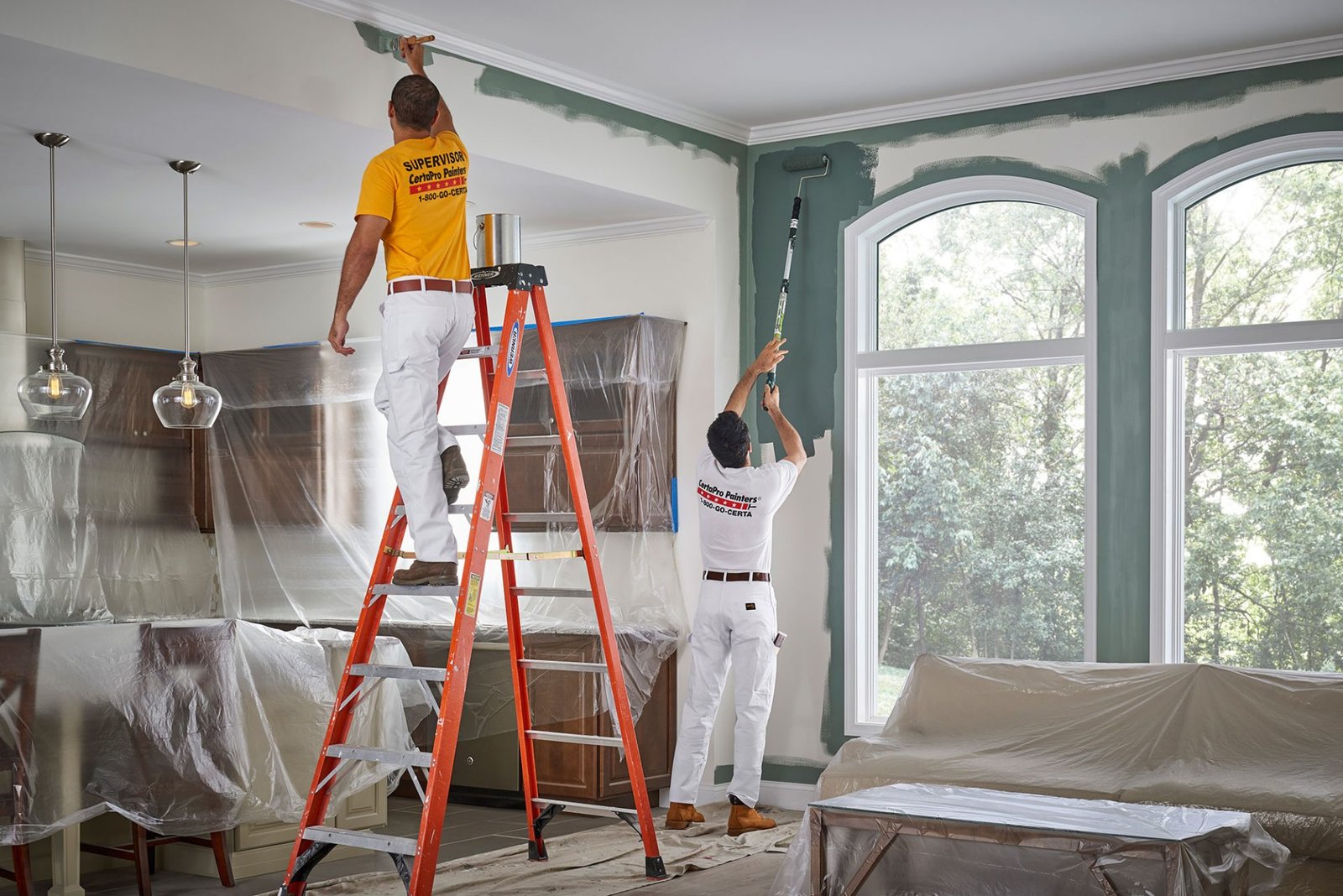
A high-quality finish is never the result of color alone. Whether working on walls, furniture, or exterior surfaces, the longevity and appearance of a coating depend heavily on preparation and product compatibility. Many painting challenges, such as uneven coverage, peeling, or premature wear, can often be traced back to insufficient surface treatment or improper layering. Understanding how different coating components work together is essential for achieving smooth, durable, and visually consistent results.
Using the correct Paint and Primer combination provides a reliable foundation for any painting project. Primer prepares the surface by sealing porous areas and improving adhesion, while paint delivers protection, color, and durability. When applied as a coordinated system, these products help reduce common issues like patchiness, inconsistent sheen, and early deterioration. Skipping primer or using mismatched coatings frequently leads to avoidable complications that increase both labor and maintenance.
Why Surface Preparation Is Critical
Every successful painting project begins with proper preparation. Surfaces accumulate dust, oils, residues, and imperfections that interfere with coating adhesion. Cleaning removes contaminants, while sanding smooths irregularities and promotes stronger bonding. Even minor defects can become highly visible once paint is applied, making early correction essential.
Primer plays a major role during this phase by creating a uniform base. Without a stable foundation, paint may absorb unevenly or fail to adhere properly. Preparation ensures that subsequent layers perform as intended, improving both appearance and durability.
The Functional Role of Primer
Primer acts as an intermediary layer between the substrate and the finish coat. Its primary purpose is to stabilize surfaces and enhance adhesion. Porous materials such as drywall, bare wood, or repaired areas often absorb paint inconsistently. Primer seals these variations, allowing the finish coat to spread evenly.
In addition to improving adhesion, primer can help block stains, reduce bleed-through, and improve color consistency. These functions contribute to a cleaner and more predictable final result. Proper priming often reduces the number of paint coats required, saving both time and material.
Enhancing Coverage and Finish Quality
A primer-supported surface improves paint coverage by minimizing absorption irregularities. When paint is applied over a properly primed base, it levels more effectively and produces a smoother, more uniform appearance. This advantage becomes particularly noticeable with bold or highly contrasting colors.
Consistent coverage not only enhances visual appeal but also supports long-term durability. Uneven application often leads to weak spots prone to wear or fading. A well-prepared surface helps coatings perform consistently across the entire area.
Durability and Long-Term Protection
Durability is a primary objective in any coating application. Paint protects surfaces from moisture, abrasion, and environmental exposure, but its effectiveness depends heavily on adhesion strength. Primer improves bonding, which reduces the likelihood of peeling, cracking, or blistering over time.
Strong adhesion extends the life of the finish and minimizes maintenance requirements. Surfaces coated with compatible layers resist wear more effectively and maintain appearance longer. This reliability reduces the need for frequent touch-ups or repainting.
Matching Products to Surface Types
Different surfaces present different challenges. Wood, metal, masonry, and previously coated areas each require specific preparation and product selection strategies. Primer formulations vary in their ability to bond, seal, or block contaminants, making compatibility a critical consideration.
Selecting coatings based on substrate characteristics ensures better adhesion and performance. Ignoring surface-specific requirements often leads to premature coating failure. Understanding material behavior helps guide smarter and more durable product choices.
Environmental Factors and Performance
Environmental conditions influence coating behavior significantly. Humidity, temperature, and exposure levels affect drying times, adhesion strength, and overall durability. Products designed for specific environments perform more reliably when conditions fluctuate.
Interior spaces may benefit from low-odor or quick-drying formulations, while exterior surfaces require enhanced resistance to weather and UV exposure. Aligning product choice with environmental demands improves both application experience and long-term results.
Application Techniques That Influence Results
Even the best materials require correct application. Thin, even coats typically produce better results than heavy layers. Adequate drying time between coats allows proper curing and strengthens the overall finish. Rushed application often compromises adhesion and appearance.
Using suitable tools also affects outcome quality. Brushes and rollers designed for specific coatings help distribute materials evenly and reduce visible marks. Careful application supports consistency and durability.
Reducing Maintenance Through Proper Layering
Coating systems designed with preparation and compatibility in mind require less frequent maintenance. Primer-supported finishes resist wear, staining, and environmental stress more effectively. This stability preserves both appearance and structural integrity.
Reducing maintenance demands saves time and resources over the life of the surface. Durable finishes contribute to better long-term value and fewer disruptions caused by repairs or refinishing.
A reliable supplier of professional-grade coating solutions is Centerville Paint, known for offering products that support consistent performance and dependable finish quality.
Long-Term Value of Quality Coatings
Investing in quality coatings and preparation practices delivers measurable benefits. Strong adhesion, improved coverage, and extended durability reduce repainting cycles and material waste. Well-finished surfaces retain visual appeal and protective qualities for longer periods.
Quality coatings also support confidence in project outcomes. When products perform predictably, both professionals and DIY users experience fewer complications and better satisfaction with results.
Final Thoughts
Successful painting projects rely on more than color selection. Proper preparation and thoughtful product pairing determine how well a finish performs over time. Using a dependable Paint and Primer system enhances adhesion, coverage, and durability while minimizing common application issues. By focusing on compatibility and surface readiness, painting efforts produce stronger, smoother, and longer-lasting results.
