

As power utilities and EPC contractors expand and upgrade their networks, selecting the right overhead cable is no longer only a matter of conductor size and cost. Today’s transmission and distribution projects demand higher reliability, longer service life, and better performance under mechanical and environmental stress.
As a global manufacturer of overhead conductors and power cables, HNBF Power delivers engineered overhead cable solutions designed specifically for utility-scale projects, substations, and grid infrastructure developments.
This guide explains how modern overhead cable systems work, what engineers should evaluate during specification, and how HNBF Power supports customized overhead line requirements worldwide.
Understanding Overhead Cable in Power Transmission and Distribution
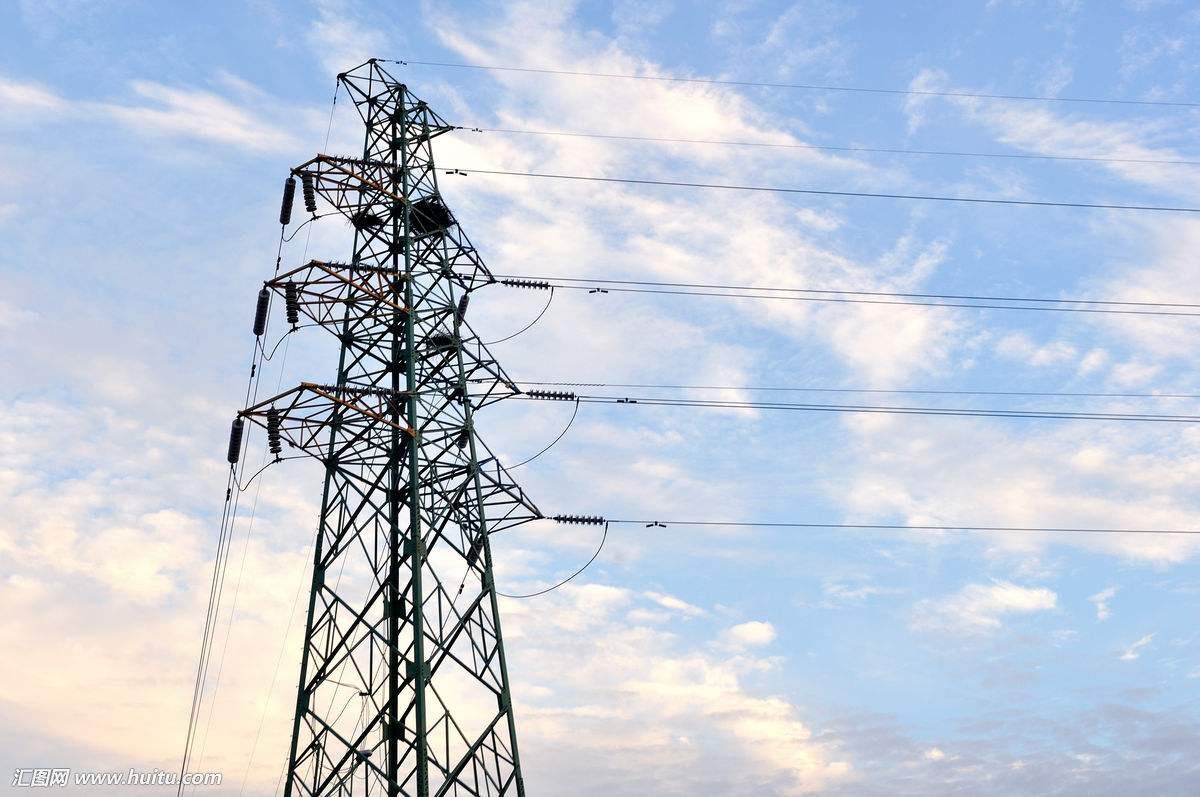
An overhead cable is a conductor system installed on poles or transmission towers to carry electrical power across long distances. It is widely used in:
- High-voltage and medium-voltage transmission lines
- Urban and rural distribution networks
- Industrial and renewable energy interconnections
Compared with underground cable systems, overhead cable solutions provide:
- Lower installation and civil engineering costs
- Easier inspection and maintenance
- Faster fault location and restoration
- Higher power transfer capability per route
For utilities and grid operators, overhead cable remains the backbone of national transmission and distribution infrastructure.
Key Types of Overhead Cable Used in Utility Networks
AAC – All Aluminum Conductor
AAC overhead cable is mainly used in short-span distribution lines and urban networks. It offers:
- Excellent electrical conductivity
- Lightweight construction
- Good corrosion resistance in low-pollution environments
AAC is suitable where mechanical strength requirements are moderate.
AAAC – All Aluminum Alloy Conductor
AAAC overhead cable uses aluminum alloy strands to improve mechanical performance. It is widely applied in:
- Coastal and corrosive environments
- Medium-span overhead distribution lines
- Utility projects requiring better sag control
AAAC provides higher tensile strength and longer service life than standard AAC.
ACSR – Aluminum Conductor Steel Reinforced
ACSR overhead cable remains one of the most common conductors in transmission networks. The steel core improves:
- Tensile strength
- Long-span performance
- Ice and wind load resistance
ACSR is frequently selected for long-distance overhead transmission and heavy-load corridors.
ABC – Aerial Bundled Cable
ABC overhead cable is increasingly used in modern distribution networks, especially in dense urban and semi-urban areas. It helps:
- Reduce power theft
- Improve public safety
- Minimize line-to-line faults
- Simplify pole-top installation
HNBF Power supplies complete ABC cable systems for low-voltage and medium-voltage distribution applications.
Engineering Factors When Selecting Overhead Cable
Choosing the right overhead cable requires more than comparing conductor sizes. Engineers and procurement teams should evaluate several critical design parameters.
Electrical Performance
The conductor must support:
- Continuous current rating
- Emergency overload conditions
- Acceptable voltage drop and losses
Proper conductor sizing directly affects system efficiency and operating cost.
Mechanical Strength and Sag Control
Overhead cable must withstand:
- Wind and ice loads
- High ambient temperatures
- Long spans between towers or poles
Mechanical design ensures acceptable sag, clearance compliance, and long-term structural safety.
Environmental and Corrosion Resistance
In coastal, industrial, and high-pollution regions, overhead cable materials must resist corrosion and aging. AAAC and specially treated aluminum conductors are often preferred for these conditions.
Installation and Maintenance Considerations
Line stringing tension, conductor weight, and compatibility with existing hardware are essential for smooth installation. Selecting standardized overhead cable constructions helps utilities reduce downtime during upgrades and reconductoring projects.
How HNBF Power Delivers Reliable Overhead Cable Solutions
HNBF Power is a global manufacturer supplying overhead cable systems for transmission and distribution projects across multiple regions. The company produces a complete range of:
- AAC, AAAC, and ACSR conductors
- ABC cable systems for distribution networks
- Low-voltage and concentric cable products supporting overhead and hybrid installations
What differentiates HNBF Power in the utility and EPC market is its ability to support both standardized and project-specific overhead cable requirements.
Custom Engineering for Utility Projects
Every power network has unique design conditions. HNBF Power provides customized overhead cable solutions based on:
- Span length and tower geometry
- Climatic and environmental conditions
- Required current ratings and loss targets
- Local utility standards and international specifications
This engineering-driven approach allows utilities to optimize both performance and life-cycle cost.
Manufacturing and Quality Control
HNBF Power operates modern production facilities for aluminum and aluminum alloy conductors. Each overhead cable product is manufactured under strict quality management procedures, including:
- Raw material verification
- Strand construction inspection
- Electrical and mechanical testing
- Dimensional and surface quality checks
This ensures consistent conductor performance and long-term network reliability.
Supply Support for EPC and Grid Expansion Programs
Large-scale transmission and distribution projects often require synchronized delivery schedules and technical coordination. HNBF Power supports EPC contractors and grid operators with:
- Project-based production planning
- Technical documentation and test reports
- Export packaging and logistics coordination
- Ongoing technical support during installation
Overhead Cable Applications Across Power Infrastructure
HNBF Power overhead cable solutions are widely used in:
- High-voltage and medium-voltage transmission lines
- Urban and rural distribution networks
- Renewable energy evacuation systems
- Industrial power supply corridors
- Utility reconductoring and network reinforcement projects
From new grid development to aging network upgrades, overhead cable remains the most cost-effective and scalable solution for power delivery.
FAQs – Overhead Cable for Utility and EPC Buyers
1. What is the main difference between AAC, AAAC, and ACSR overhead cable?
AAC focuses on conductivity and low weight, AAAC improves mechanical strength and corrosion resistance, while ACSR combines aluminum strands with a steel core for high tensile strength and long-span transmission.
2. Is overhead cable suitable for coastal or industrial environments?
Yes. AAAC and specially treated aluminum conductors are commonly used in corrosive environments where longer service life is required.
3. Can overhead cable be customized for specific span lengths and loads?
HNBF Power provides customized overhead cable designs based on project span, load conditions, and local utility standards.
4. Why is ABC overhead cable becoming more popular in distribution networks?
ABC reduces accidental contact, limits power theft, improves system safety, and offers better reliability in congested areas.
Build Stronger Power Networks with HNBF Power
Selecting the right overhead cable is essential for ensuring safe, efficient, and reliable power transmission and distribution. From standard AAC and ACSR conductors to advanced ABC distribution systems, HNBF Power offers a complete portfolio designed for modern utility and EPC projects.
Contact HNBF Power today to discuss your overhead cable requirements and receive customized solutions tailored to your transmission and distribution network needs.
