

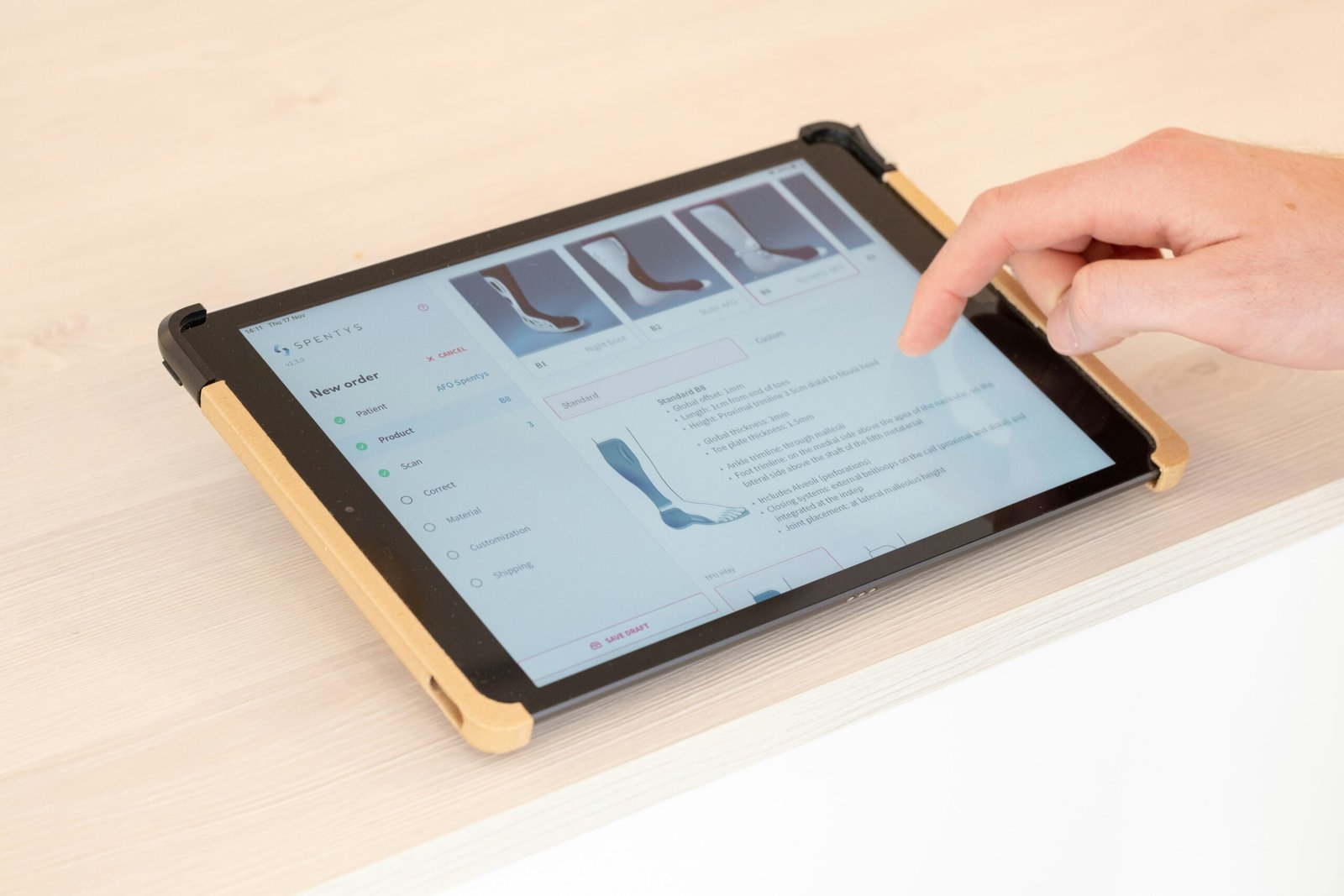
Healthcare organizations function within a workplace that technology continues to change. Clinical systems now impact three areas of healthcare: patient care delivery and internal operations and patient engagement. Organizations now use technology initiatives to create changes that impact their entire performance. Digital healthcare solutions drive the transformation process that occurs throughout hospitals and care networks.
Healthcare environments now face greater IT complexity than before. Regulatory requirements continue to expand across regions and care models. Clinical data volumes increase every year. The systems require continuous interoperability to maintain their operational capacity. Patients now expect better access to medical information and greater understanding of their treatment options. Digital healthcare solutions enable organizations to cope with multiple simultaneous challenges.
Healthcare Stakeholders and Decision Groups
Healthcare organizations serve multiple stakeholder groups which each have their own distinct needs. B2B stakeholders include hospitals and payers and providers and partner organizations. These groups establish their main business objectives through three key areas which include compliance obligations and operational efficiency and cost management. Their responsibilities include overseeing infrastructure and the reporting functions and clinical workflows. Healthcare technology solutions provide institutional systems with integration capabilities and performance support throughout their systems.
B2C audiences include both patients and their caregivers. Their priorities center on three priorities which include access to care and information clarity and data security. Their timelines are often shaped by treatment requirements and service responsiveness. Digital interactions need to occur throughout the entire care journey.
Both segments help maintain organizational stability through their distinct contributions. Institutional stakeholders help organizations run their operations while maintaining compliance with regulations. Patients and caregivers influence trust and long-term reputation. Healthcare technology solutions enable organizations to fulfill their requirements because they address the needs of both groups.
Balancing Institutional and Patient Needs
Healthcare leaders must consider institutional requirements alongside patient needs. Technology decisions affect clinical outcomes as well as organizational resilience. Consulting services help maintain this balance across planning and execution.
1. Regulatory and Compliance Management
Healthcare regulations differ across regions and care settings. Organizations need to adapt to shifting compliance requirements which occur on a continuous basis. Organizations need to fulfill their obligations related to reporting, auditing, and protecting privacy rights. The internal teams of an organization encounter difficulties when they try to understand and apply these regulations in a consistent manner.
Healthcare it consulting services assist organizations in managing their complex regulatory requirements. Consultants provide requirement interpretation services that apply to particular operational situations. The organization has achieved alignment between its systems and all existing compliance requirements. Healthcare technology solutions enable precise documentation and reporting functions. Digital healthcare solutions assist organizations in implementing compliance requirements throughout their daily operations.
Organizations can reduce their compliance risks through established guidelines which direct their activities. Organizations maintain their readiness to handle audits and reviews. The enforcement of regulatory discipline enables organizations to establish their long-term reputation.
2. Integration and Interoperability Constraints
Healthcare environments often rely on fragmented systems. Clinical, administrative, and financial platforms must work together. Interoperability gaps disrupt care coordination. Data silos affect operational efficiency.
Healthcare it consulting services assist with integration planning. Consultants review system compatibility and dependencies. Structured integration roadmaps are developed. Healthcare technology solutions support standardized data exchange. Digital healthcare solutions improve connectivity across departments.
Integrated systems support better collaboration among care teams. Information moves more reliably across facilities. Operational continuity becomes easier to maintain.
3. Data Governance and Security Obligations
Healthcare data is highly regulated and sensitive. Organizations manage patient records, clinical information, and operational data. Security incidents carry legal and reputational consequences. Data governance requires defined controls and accountability.
Healthcare it consulting services design governance frameworks aligned with regulatory needs. Consultants establish access rules and responsibility structures. Healthcare technology solutions support monitoring and enforcement. Digital healthcare solutions help maintain data integrity across systems.
Effective governance supports secure data use. Patient trust is reinforced through consistent security practices. Data quality improves decision-making.
4. Change Management in Clinical Settings
Technology adoption directly affects clinical workflows. Resistance among staff can slow transformation efforts. Training gaps increase operational risk. Workflow disruption may affect care delivery.
Healthcare it consulting services support structured change management approaches. Consultants involve clinical leaders early in the process. Technology plans are aligned with day-to-day clinical realities. Healthcare technology solutions integrate with existing practices. Digital healthcare solutions allow phased adoption.
Structured change management supports staff confidence. Clinical teams adjust more smoothly to new systems. Care quality remains stable during transitions.
5. Platform Scalability Planning
Healthcare organizations must prepare for growth and shifting demand. Patient volumes vary across seasons and locations. Systems need to scale without performance loss. Legacy platforms often limit expansion.
Healthcare it consulting services assess scalability requirements. Consultants identify infrastructure constraints. Healthcare technology solutions support flexible system growth. Digital healthcare solutions enable controlled capacity adjustments.
Scalable platforms support consistent service delivery. Organizations manage growth without excessive strain. Planning becomes more predictable over time.
6. Risk Control During IT Transformation
Large IT initiatives introduce operational and financial risks. Implementation issues can disrupt clinical services. Budget overruns affect resource planning. Delays influence patient access.
Healthcare it consulting services help reduce these risks. Consultants apply structured governance and oversight. Healthcare technology solutions support phased deployment. Digital healthcare solutions improve visibility during implementation.
Risk control supports service stability. Organizations maintain confidence during transformation efforts. Projects progress with fewer interruptions.
7. Sustained Value From Consulting Relationships
Healthcare leaders seek lasting value from technology investments. Short-term deployments often fail to deliver durable outcomes. Strategic alignment supports long-term success.
Healthcare it consulting services focus on value-driven planning. Consultants align technology initiatives with organizational objectives. Healthcare technology solutions deliver measurable results. Digital healthcare solutions support continuous refinement.
Consulting relationships often extend beyond implementation phases. Organizations receive ongoing guidance and optimization support. Sustained value strengthens institutional resilience.
Conclusion
Healthcare IT initiatives require organizations to manage their complex systems which include multiple stakeholders who work together to achieve their goals. The organization uses consulting services to handle complex issues that arise during its planning process and its execution and governance activities. Technology transitions require organizations to maintain their systems at a stable operational state.
Hospitals must connect their organizational goals with the requirements of their patients. The process of adopting new systems succeeds through three essential elements which include transparency and governance and staff engagement. Digital healthcare solutions provide support for healthcare systems which need to maintain their reliability and adaptability.
