

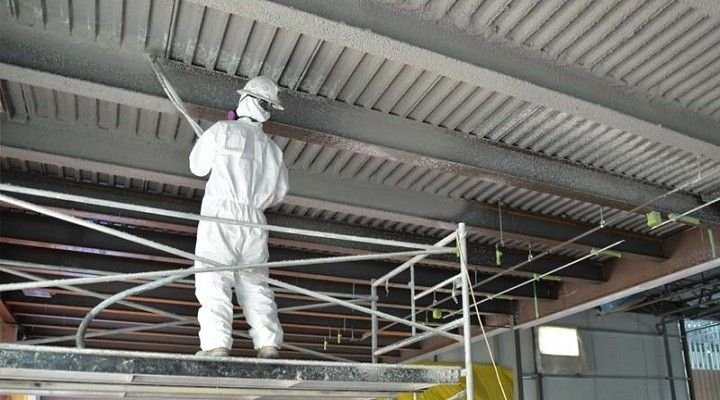
Ensuring fire safety in homes, offices, and industrial buildings starts with the proper application of Fireproofing Paint. In Forest Hills, NY, homeowners and contractors rely on specialized coatings to protect structures from fire hazards. Fireproofing paint, also known as intumescent or fire-resistant paint, creates a protective barrier that delays flame spread, giving occupants more time to evacuate and reducing property damage.
This step-by-step guide will walk you through proper surface preparation, application methods, and maintenance practices to maximize fire protection for steel, wood, and other building materials.
What Is Fireproofing Paint?
Fireproofing Paint is a specialized coating designed to resist high temperatures and prevent structural materials from igniting. Common types include:
- Intumescent coating: Expands when exposed to heat to form an insulating layer
- Heat-resistant paint: Tolerates high temperatures without degrading
- Flame-retardant paint: Reduces flammability on contact
These coatings serve as passive fire protection, slowing the spread of fire and increasing safety in residential, commercial, and industrial applications.
Step 1: Choose the Right Fireproofing Paint
Selecting the appropriate fireproof paint for wood or steel depends on the substrate and fire rating requirements:
- Fireproof coating for steel: Designed to protect structural steel from high temperatures
- Fireproof paint for wood: Maintains aesthetic appearance while reducing flammability
- General-purpose flame-retardant paint: Suitable for walls, ceilings, and other surfaces
Consult local building codes in Forest Hills, NY, to ensure compliance with fire safety regulations.
Step 2: Prepare the Surface
Proper surface preparation ensures the paint adheres correctly and provides maximum protection:
- Clean the surface thoroughly to remove dust, grease, or loose particles
- Sand rough areas for smooth application
- Apply a primer if recommended by the manufacturer
For steel surfaces, remove rust and apply a corrosion-resistant primer. For wood, ensure it is dry and free from mold or moisture before painting.
Step 3: Gather Required Tools and Safety Gear
Essential tools include:
- Paintbrushes or rollers suitable for thick coatings
- Spray equipment for large or industrial surfaces
- Mixing sticks or mechanical mixers for uniform consistency
Safety gear is critical when handling fire protection coatings:
- Gloves
- Safety goggles
- Respirator or mask
- Protective clothing
Step 4: Apply the First Coat
Apply the fire retardant coating evenly across the surface:
- For brushes/rollers: Use long, even strokes to prevent gaps
- For spray applications: Maintain a consistent distance from the surface
- Ensure coverage: on corners, edges, and hard-to-reach areas
Allow the first coat to dry according to the manufacturer’s instructions, usually 4–6 hours, depending on temperature and humidity.
Step 5: Apply Additional Coats
Most fireproofing paints require multiple layers to achieve the desired fire rating:
- Lightly sand between coats if recommended
- Apply subsequent coats evenly
- Verify coverage thickness using a wet film gauge or the manufacturer’s guidelines
Intumescent coatings expand when heated, so applying the correct thickness is crucial to ensure effective passive fire protection.
Step 6: Inspect and Test
After the final coat dries:
- Inspect the surface for uniform coverage and smoothness
- Look for bubbles, peeling, or missed areas
- If required, conduct adhesion tests or fire rating verification
Proper inspection ensures that the fireproof paint will perform as intended in case of a fire emergency.
Step 7: Maintenance and Touch-Ups
Fireproof coatings require minimal maintenance, but periodic inspection is recommended:
- Check for cracks, chips, or damage
- Reapply touch-ups to exposed or worn areas
- Keep surfaces clean to maintain effectiveness
Routine maintenance ensures the longevity of fire safety paint and maintains compliance with safety standards in Forest Hills, NY.
Tips for Best Results
- Always follow manufacturer guidelines for mixing, application, and drying
- Avoid applying in extremely humid or cold conditions
- Use compatible primers and sealers for the best adhesion
- For industrial or structural projects, consider a professional application for guaranteed fire ratings
Conclusion
Proper application of Fireproofing Paint is a critical step in protecting buildings, structures, and lives. From surface preparation to multi-layer application and maintenance, following these steps ensures effective fire resistance. By using the right coating, tools, and safety practices, homeowners and contractors in Forest Hills, NY, can create safer environments with minimal risk.
For expert guidance and professional fireproofing solutions, contact AAA Spray Foam Insulation to ensure your project meets the highest fire safety standards.
Frequently Asked Questions
1. Can fireproofing paint be applied to any surface?
Fireproofing paint is suitable for steel, wood, and certain masonry surfaces. Always check the manufacturer’s guidelines for substrate compatibility.
2. How thick should intumescent coatings be?
Thickness depends on the fire rating and substrate type. Manufacturers provide charts specifying recommended dry film thickness for safety compliance.
3. Is multiple coating necessary?
Yes. Most fireproof paints require two or more layers to achieve the required fire-resistance rating.
4. How long does the paint last?
With proper application and maintenance, fireproofing paint can last 10–15 years or more, depending on exposure and conditions.
5. Can I apply fireproof paint myself?
Yes, for small projects. For structural steel or high-risk areas, professional application ensures correct coverage and fire rating compliance.
