

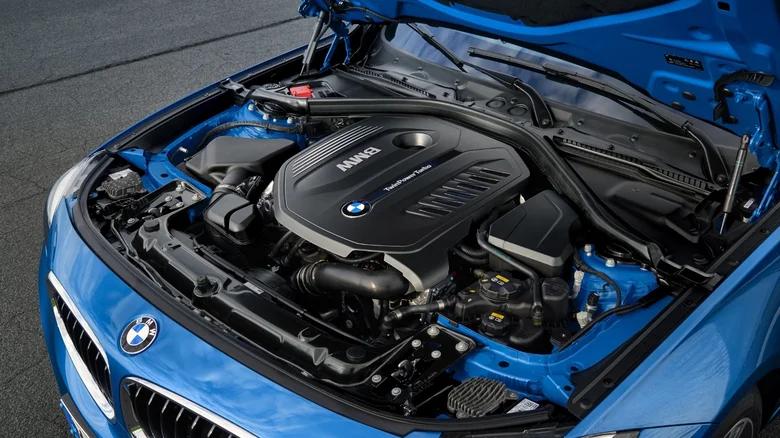
Introduction
When discussing high-performance automobiles, engines play the most critical role in defining driving experience, efficiency, and reliability. The engines developed by BMW have earned a global reputation for precision engineering, smooth power delivery, and advanced technology. Known for combining performance with everyday usability, BMW engines are designed to deliver both excitement and efficiency.
Over decades, BMW has refined its engine technology through innovation, motorsport experience, and continuous research. From naturally aspirated inline-six engines to modern turbocharged hybrid powertrains, BMW engines represent a balance between tradition and future mobility.
History of BMW Engine Development
BMW’s journey in engine engineering began long before it became famous for luxury cars. The company originally produced aircraft engines in the early 20th century, which laid the foundation for its expertise in precision engineering and performance optimization.
During the 1960s and 1970s, BMW gained recognition for its inline-four and inline-six engines, which became known for smooth operation and reliability. The legendary straight-six layout eventually became one of BMW’s trademarks because of its natural balance and refined performance.
BMW Engine Architecture
Inline Engines (I3, I4, I6)
BMW is widely known for its inline engine configuration, especially the inline-six (I6). This design offers several advantages:
- Perfect mechanical balance
- Smooth acceleration
- Reduced vibration
- Improved engine longevity
Inline engines remain central to BMW’s performance identity, particularly in sports sedans and coupes.
V-Type Engines (V8 & V12)
For high-performance and luxury vehicles, BMW developed V8 and V12 engines that provide:
- Higher horsepower output
- Strong torque delivery
- Enhanced highway performance
These engines are commonly found in flagship models and performance vehicles engineered by BMW M.
TwinPower Turbo Technology
One of BMW’s most important innovations is TwinPower Turbo technology. Despite the name, it does not always mean two turbochargers; instead, it represents a combination of advanced systems designed to improve efficiency and performance.
Key components include:
- Turbocharging for increased power
- Direct fuel injection
- Variable valve timing (VANOS)
- Variable valve lift (Valvetronic)
This system allows smaller engines to produce power levels previously achievable only with larger engines while consuming less fuel.
Petrol vs Diesel BMW Engines
Petrol Engines
BMW petrol engines are known for responsive acceleration and smooth operation. Features include:
- High-revving capability
- Quiet performance
- Lightweight construction
Petrol engines are popular among drivers who prioritize sporty driving dynamics.
Diesel Engines
BMW diesel engines focus on torque and fuel economy. They are particularly effective for long-distance driving due to:
- Strong low-RPM torque
- Better fuel efficiency
- Durable engine construction
BMW’s diesel technology has significantly reduced noise and emissions compared to older diesel designs.
Engine Efficiency and Fuel Economy
Modern BMW engines are designed with sustainability in mind. Engineers aim to deliver maximum performance while minimizing environmental impact.
Efficiency improvements include:
- Engine downsizing with turbocharging
- Lightweight aluminum engine blocks
- Start-stop technology
- Intelligent thermal management systems
These innovations help reduce fuel consumption and carbon emissions without compromising driving pleasure.
BMW Hybrid and Electric Powertrains
As the automotive industry transitions toward electrification, BMW has adapted its engine philosophy to include hybrid and electric technologies.
Plug-In Hybrid Systems
BMW hybrid engines combine internal combustion engines with electric motors to achieve:
- Lower emissions
- Improved fuel economy
- Instant electric torque
Drivers can operate vehicles in electric mode for short distances while retaining petrol engine performance for longer trips.
Transition Toward Electric Mobility
Although electric vehicles do not use traditional engines, BMW applies the same engineering principles—efficiency, balance, and performance—to electric drivetrains. This ensures continuity between classic BMW driving dynamics and future mobility solutions.
Performance Engineering and Motorsport Influence
BMW’s motorsport heritage strongly influences its engine development. Racing environments push engineers to create engines that withstand extreme stress while delivering consistent performance.
Technologies developed in motorsports often reach production vehicles, including:
- Advanced cooling systems
- High-precision fuel injection
- Lightweight internal components
- Improved aerodynamics integration
Performance engines developed for BMW’s sports lineup demonstrate how racing innovation enhances everyday driving.
Reliability and Maintenance Considerations
BMW engines are engineered with precision, but like all high-performance systems, proper maintenance is essential.
Important maintenance practices include:
- Regular oil changes using recommended synthetic oil
- Timely replacement of filters and spark plugs
- Cooling system inspection
- Software updates for engine management systems
When properly maintained, BMW engines can deliver long service life and consistent performance.
Advanced Engine Management Systems
Modern BMW engines rely heavily on electronic control units (ECUs). These intelligent systems monitor and adjust engine performance in real time.
Functions controlled electronically include:
- Fuel injection timing
- Air-fuel ratio optimization
- Turbocharger pressure regulation
- Emission control systems
This digital management improves efficiency, enhances safety, and ensures smooth power delivery under different driving conditions.
Sound and Driving Experience
BMW engineers consider engine sound an essential part of the driving experience. The goal is to create an emotional connection between driver and machine.
Characteristics of BMW engine sound include:
- Smooth acceleration tone
- Sporty exhaust note
- Controlled cabin acoustics
Even modern turbocharged engines are tuned to maintain a recognizable performance character.
Future of BMW Engine Technology
The future of BMW engines lies in balancing performance with environmental responsibility. Key development areas include:
- More efficient hybrid systems
- Hydrogen combustion research
- Advanced battery integration
- Reduced emissions technologies
BMW continues investing in research to ensure engines remain powerful, efficient, and environmentally friendly.
Conclusion
BMW engines represent a perfect blend of engineering precision, performance innovation, and technological advancement. From classic inline-six engines to modern turbocharged hybrids, BMW has consistently pushed the boundaries of automotive engineering.
The company’s commitment to driving pleasure ensures that every engine is designed not only for power but also for balance, efficiency, and reliability. As the automotive industry evolves toward electrification, BMW continues adapting its engine technology while preserving the performance heritage that defines the brand.
For more information.
