

Introduction
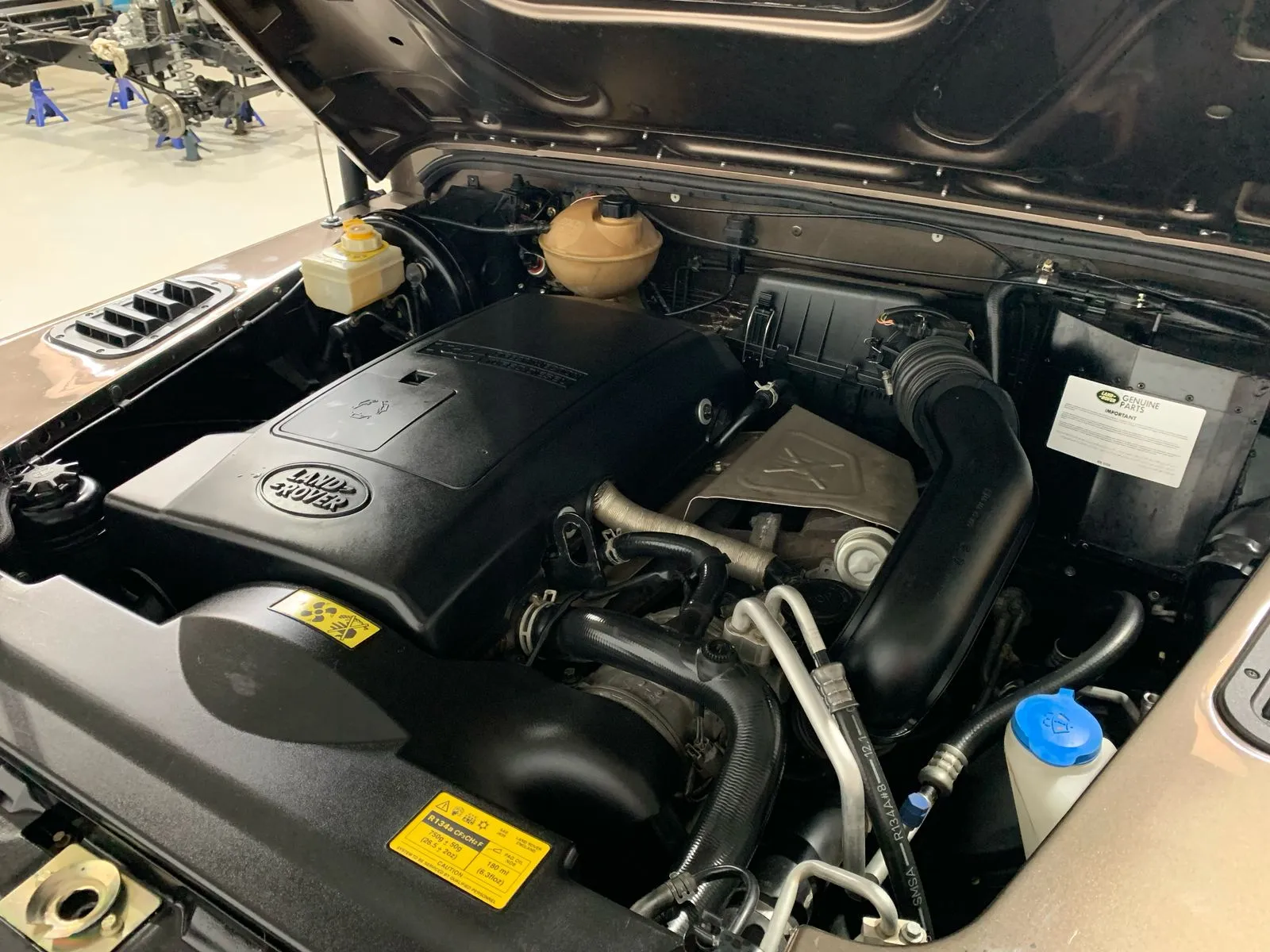
Land Rover is globally recognized for producing premium vehicles that combine luxury, durability, and outstanding off-road performance. One of the most important components responsible for this reputation is the Land Rover engine. Designed to handle extreme terrains while maintaining comfort and efficiency, Land Rover engines represent a perfect blend of advanced engineering and innovation.
From early rugged mechanical engines to today’s intelligent hybrid powertrains, Land Rover has continuously evolved its engine technology to meet modern performance, environmental, and efficiency standards. This article explores the design philosophy, types, technologies, performance capabilities, and future developments of Land Rover engines.
The Evolution of Land Rover Engines
Land Rover began its journey in 1948 with vehicles primarily designed for agricultural and military purposes. Early engines were simple, reliable petrol units focused on durability rather than speed or luxury.
During the 1960s and 1970s, Land Rover introduced more powerful engines, including larger displacement petrol and diesel options. The company later adopted V8 engines, significantly improving performance and towing capability.
In the modern era, Land Rover engines have undergone a major transformation. Advanced turbocharging, lightweight materials, electronic management systems, and hybrid technology now define the brand’s powertrain lineup. These improvements allow vehicles to deliver strong performance while reducing emissions and fuel consumption.
Types of Land Rover Engines
Land Rover offers several engine types to suit different driving needs and vehicle categories.
1. Petrol Engines
Petrol engines are designed for smooth acceleration and refined driving experience. These engines are commonly found in luxury-oriented Land Rover models.
Key features include:
- Quick throttle response
- Quiet operation
- High-speed performance
- Advanced fuel injection systems
Modern petrol engines often include turbochargers to increase power output without significantly increasing engine size.
2. Diesel Engines
Diesel engines have long been associated with Land Rover due to their torque and efficiency. They are especially suitable for off-road driving and heavy-duty tasks.
Advantages of diesel engines include:
- High torque at low RPM
- Better fuel economy
- Strong towing capability
- Long engine lifespan
These engines are popular among drivers who frequently travel long distances or drive in challenging terrains.
3. Hybrid and Plug-In Hybrid Engines
To meet environmental standards, Land Rover has introduced hybrid powertrains that combine traditional engines with electric motors.
Hybrid engines provide:
- Reduced emissions
- Improved fuel efficiency
- Instant electric torque
- Quiet city driving mode
Plug-in hybrid models allow drivers to travel short distances using electric power alone, making them suitable for urban environments.
4. Mild Hybrid Technology
Mild hybrid systems assist the engine using a small electric motor. While they cannot run fully on electricity, they improve efficiency by supporting acceleration and recovering energy during braking.
This technology helps reduce fuel consumption without changing the traditional driving experience.
Advanced Engineering Technologies
Land Rover engines incorporate modern technologies that enhance performance, reliability, and efficiency.
Turbocharging and Supercharging
Turbochargers use exhaust gases to increase engine power without increasing fuel consumption significantly. Some engines also feature superchargers, delivering instant power and improved acceleration.
These systems ensure strong performance both on highways and rough terrains.
Intelligent Engine Management Systems
Modern Land Rover engines rely on electronic control units (ECUs) that monitor engine performance in real time. These systems adjust fuel delivery, ignition timing, and airflow to optimize efficiency and power output.
The result is smoother driving, improved fuel economy, and reduced emissions.
Lightweight Materials
Engine components are increasingly made from aluminum and advanced alloys. Lightweight construction reduces vehicle weight, improving fuel efficiency and handling while maintaining durability.
Start-Stop Technology
Many Land Rover engines include automatic start-stop systems that switch off the engine when the vehicle is stationary. This feature reduces fuel consumption and emissions during city driving.
Performance and Off-Road Capability
Land Rover engines are specifically engineered for demanding conditions. Unlike standard passenger vehicles, these engines must perform reliably in mud, sand, snow, and rocky terrain.
Key performance characteristics include:
- High torque output for climbing steep slopes
- Water wading capability
- Stable performance at extreme temperatures
- Smooth power delivery on uneven surfaces
The engine works together with advanced traction and terrain response systems to provide maximum control in difficult environments.
Fuel Efficiency and Environmental Responsibility
As environmental regulations become stricter, Land Rover has focused on improving engine efficiency. Modern engines are designed to produce more power using less fuel.
Key efficiency improvements include:
- Direct fuel injection
- Hybrid assistance systems
- Reduced internal friction
- Improved combustion processes
These advancements help lower carbon emissions while maintaining the performance expected from a premium SUV brand.
Reliability and Maintenance
Land Rover engines are built for durability, but proper maintenance is essential to ensure long-term reliability.
Important maintenance practices include:
- Regular oil changes
- Using manufacturer-approved fluids
- Timely air and fuel filter replacement
- Software updates for engine control systems
Routine servicing helps prevent performance issues and extends engine lifespan significantly.
Common Challenges and Solutions
Like all advanced engines, Land Rover powertrains may experience certain issues if not maintained properly.
Some common concerns include:
- Turbocharger wear due to delayed maintenance
- Carbon buildup in direct injection engines
- Sensor or electronic component faults
Most modern problems can be prevented through scheduled servicing and diagnostic checks performed by trained technicians.
Future of Land Rover Engine Technology
The future of Land Rover engines is moving toward electrification. The company is investing heavily in electric and hybrid technologies to reduce environmental impact while maintaining performance standards.
Future developments may include:
- Fully electric SUVs
- Improved battery technology
- Advanced energy recovery systems
- AI-driven engine optimization
These innovations aim to deliver sustainable mobility without sacrificing the off-road capability that defines the brand.
Why Land Rover Engines Stand Out
Several factors make Land Rover engines unique compared to competitors:
- Balance between luxury and rugged performance
- Strong torque for off-road driving
- Continuous technological innovation
- Adaptability across multiple terrains
- Integration with intelligent vehicle systems
This combination allows Land Rover vehicles to perform equally well in urban environments and extreme outdoor conditions.
Conclusion
The Land Rover engine represents decades of engineering progress focused on power, reliability, and versatility. From early mechanical designs to modern hybrid systems, Land Rover has consistently adapted to changing technology and environmental demands.
Today’s engines deliver impressive performance, improved fuel efficiency, and advanced electronic control while maintaining the brand’s legendary off-road capability. As the automotive industry shifts toward electrification, Land Rover continues to innovate, ensuring its engines remain relevant for future generations.
For more information.
