

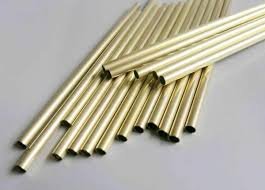
Brass has long been valued as a versatile engineering material that combines strength, corrosion resistance, workability, and aesthetic appeal. Among the various grades available, Brass Tubes C22000 are particularly popular for their high copper content and reliable performance across a wide range of applications. Often referred to as Commercial Bronze, C22000 brass delivers excellent durability and an attractive finish, making it suitable for both functional and decorative uses.
From plumbing and heat transfer systems to architectural detailing and industrial components, Brass Tubes C22000 continue to serve as a dependable material choice. This detailed guide explores their composition, mechanical properties, advantages, manufacturing process, applications, and reasons behind their growing demand in modern industries.
Understanding Brass C22000
Brass C22000 is a copper-zinc alloy containing approximately 90% copper and 10% zinc. The higher copper content enhances corrosion resistance and improves conductivity, while zinc adds strength and improves workability. Although called Commercial Bronze, it belongs to the brass family due to the presence of zinc as the primary alloying element.
Brass Tubes C22000 are manufactured in hollow cylindrical shapes and are available in multiple sizes, wall thicknesses, and finishes to suit diverse project requirements.
Chemical Composition
The composition of Brass Tubes C22000 plays a vital role in defining their properties:
- Copper (Cu): 89–91%
- Zinc (Zn): 9–11%
- Minor trace elements in controlled amounts
The high copper content contributes to the alloy’s reddish-golden tone and enhances its resistance to atmospheric corrosion. The zinc content strengthens the material without significantly reducing ductility.
Mechanical and Physical Properties
Brass Tubes C22000 offer a balanced combination of strength, ductility, and corrosion resistance.
Corrosion Resistance
The high copper percentage allows C22000 brass to resist corrosion in freshwater, atmospheric, and mildly industrial environments. This makes it suitable for plumbing and structural components exposed to moisture.
Moderate Strength
C22000 provides good tensile strength while maintaining formability, allowing it to be shaped and bent easily.
Excellent Formability
The alloy performs well in cold-working processes such as drawing, bending, and rolling.
Thermal Conductivity
Brass Tubes C22000 possess strong heat transfer capabilities due to their copper base, making them ideal for low-pressure heat exchange systems.
Electrical Conductivity
While lower than pure copper, the conductivity is sufficient for select electrical and connector applications.
Visual Appeal
The natural golden finish adds aesthetic value in decorative and architectural projects.
Manufacturing Process
The production of Brass Tubes C22000 involves carefully controlled steps to ensure consistency and quality:
- Copper and zinc are melted in precise proportions.
- The molten alloy is cast into billets.
- Billets undergo extrusion or rolling to form tubular shapes.
- Cold drawing ensures dimensional precision and smooth surface finish.
- Annealing improves ductility and mechanical properties.
- Surface treatment and polishing enhance appearance and corrosion resistance.
- Quality inspection verifies compliance with required standards.
These steps ensure reliable mechanical performance and high surface quality.
Types of Brass Tubes C22000
Brass Tubes C22000 are available in several forms depending on application requirements:
Seamless Brass Tubes
Manufactured without weld seams, these tubes offer uniform strength and are suitable for pressure systems.
Welded Brass Tubes
Produced by forming and welding brass strips, these are economical and suitable for structural and decorative uses.
Round Brass Tubes
The most common shape used in plumbing, furniture, and industrial systems.
Square and Rectangular Tubes
Preferred for architectural frameworks and design applications.
Applications of Brass Tubes C22000
Plumbing Systems
Due to their corrosion resistance and compatibility with water systems, Brass Tubes C22000 are widely used in water distribution lines and fittings.
Architectural Design
Their attractive golden finish makes them ideal for handrails, trims, door hardware, and interior décor.
Heat Transfer Equipment
Good thermal conductivity allows these tubes to be used in condensers and low-pressure heat exchangers.
Automotive Components
Used in radiator cores, fuel lines, and connectors that require resistance to corrosion.
Furniture Manufacturing
Brass Tubes C22000 are often used in premium furniture frames and decorative elements.
Electrical Applications
In specific low-current systems, these tubes are used where moderate conductivity and durability are required.
Advantages of Brass Tubes C22000
Long Service Life
The corrosion-resistant nature ensures extended durability in a variety of environments.
Easy Fabrication
They can be easily machined, bent, soldered, and brazed.
Cost-Effective Alternative to Copper
C22000 provides improved strength compared to pure copper at a more economical price.
Low Maintenance
Minimal cleaning is required to maintain performance and visual appeal.
Recyclability
Brass is fully recyclable without losing its essential properties, supporting sustainable practices.
Comparison with Other Brass Grades
Compared to higher-zinc brass alloys, C22000 offers better corrosion resistance due to its higher copper content. While alloys with more zinc may provide slightly increased strength, they may not perform as well in environments exposed to moisture.
Compared to C26000 (Cartridge Brass), C22000 has slightly lower zinc content and slightly higher corrosion resistance. Both grades are versatile, but C22000 is particularly favored for decorative and plumbing applications.
Maintenance Guidelines
To maintain the quality and appearance of Brass Tubes C22000:
- Clean regularly with mild soap and water.
- Avoid abrasive cleaning tools that may damage the surface.
- Use brass polish periodically to maintain shine.
- Store in dry environments to minimize tarnishing.
Routine maintenance preserves both mechanical integrity and aesthetic value.
Factors to Consider Before Selection
When choosing Brass Tubes C22000, consider:
- Environmental exposure conditions
- Pressure and temperature requirements
- Dimensional and wall thickness specifications
- Surface finish expectations
- Compliance with relevant industry standards
Selecting the appropriate specifications ensures reliable performance and long-term efficiency.
Growing Demand in Modern Construction and Industry
The demand for Brass Tubes C22000 continues to grow due to increasing interest in durable and visually appealing materials. In modern construction, brass is widely used for decorative structures, plumbing fixtures, and interior accents. Industrial sectors also rely on C22000 brass for heat transfer and corrosion-resistant components.
With the global focus shifting toward recyclable and sustainable materials, brass remains a strong choice due to its environmental benefits and reusability.
Conclusion
Brass Tubes C22000 provide a reliable combination of strength, corrosion resistance, workability, and aesthetic appeal. Their high copper content ensures durability and excellent performance in plumbing, architectural, automotive, and industrial applications.
Whether used for structural systems, decorative installations, or heat transfer equipment, Brass Tubes C22000 deliver consistent results and long service life. Their ease of fabrication, cost-effectiveness, and recyclability make them a preferred material in modern engineering and design projects.
