


Gold is one of the most widely traded precious metals in the world, valued for its liquidity and long-term stability. Many Plano residents invest in gold not only for wealth preservation but also for financial flexibility during emergencies. However, when it comes time to sell, understanding how Plano gold and silver exchanges determine gold prices is essential to receiving a fair market value. Several factors, including global market rates, purity, weight, and current demand, influence the final offer. In this blog, we will explain how gold pricing works and what sellers should know before visiting a local exchange.
Core Pricing Factors
Gold and silver exchanges use three variables.
Purity (Karage)
Purity is the most essential factor for an exchange. 24K gold is considered 99.9% pure, while common jewelry is often made of 14K (58.3%) or 18K (75%) gold. Jewelry buyers multiply the total jewelry weight by the purity percentage to find the melt value.
Live Spot Price
Prices fluctuate 24/5 depending on global supply, demand, and macroeconomic indicators, like inflation or US dollar strength. Exchanges know this and continuously monitor these live feeds to update their buy and sell quotes instantly.
Dealer Spread
To remain sustainable, businesses buy below the spot price and sell above it. This spread accounts for rent, labor, insurance, and the risk of price volatility while the gold is in their inventory.
Buy vs Sell Price
Buying from You (Buyback)
Generally, when you sell your gold to an exchange, they offer a percentage of the spot price, which can be from 60% to 95% of the melt value. The lower end of the range is mostly applied to scrap jewelry that requires refining. Meanwhile, the higher end applies to recognizable bullion coins.
Selling to You (Retail)
Unlike the buyback scenario, when you purchase gold jewelry, you pay the spot price plus a premium. This access cost is for manufacturing (minting), distribution, and dealer markup.
Additional Local Variables
Local exchanges in Plano may also adjust gold prices based on inventory levels, refining costs, and numismatic values. Keep reading to learn more.
Inventory Levels
If a shop has an overstock of a specific coin, it may offer a lower premium for a while to encourage sales.
Refining Costs
Items with high labor requirements for stone removal or purification naturally incur higher fee deductions.
Numismatic
Rare or collectible coins may be priced significantly higher than their raw gold content due to historical scarcity.
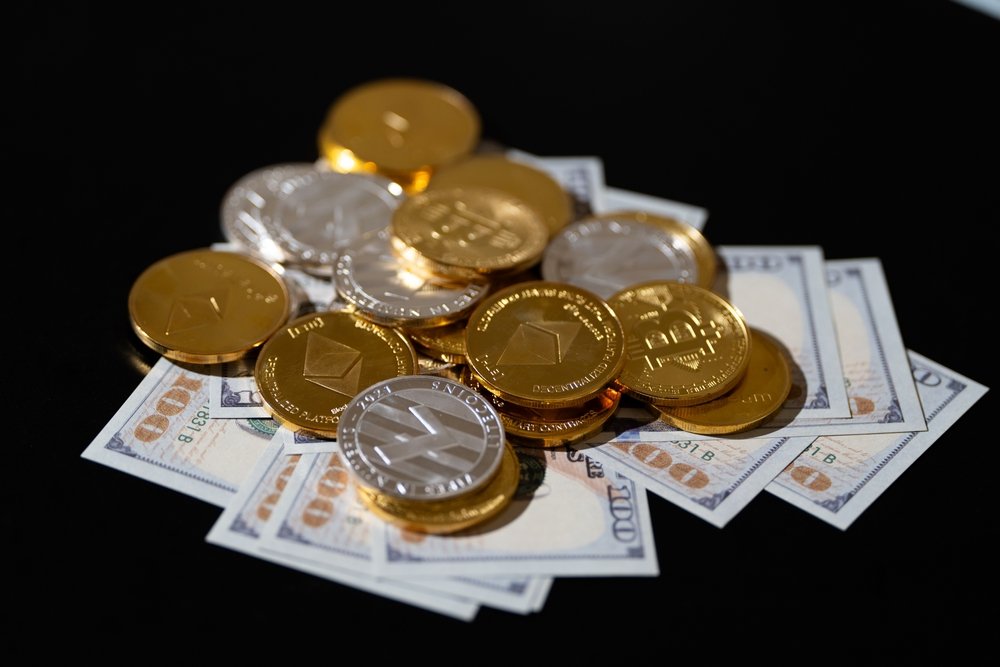
If you are still reading this blog, you must have learned how a Plano gold and silver exchange determines gold rates. Planning to sell you gold? Then you must visit a reliable jewelry shop for your transaction. We are Cash For Gold, your reliable jewelry buyers. When you come to our shop, we check your jewelry pieces right in front of you and then offer the best possible price for your items. You are not obligated to accept this offer and can visit other stores to get some more quotes. If you accept the offer, we instantly pay you the amount agreed upon. Contact us to book an appointment or visit our store for gold exchange.
