

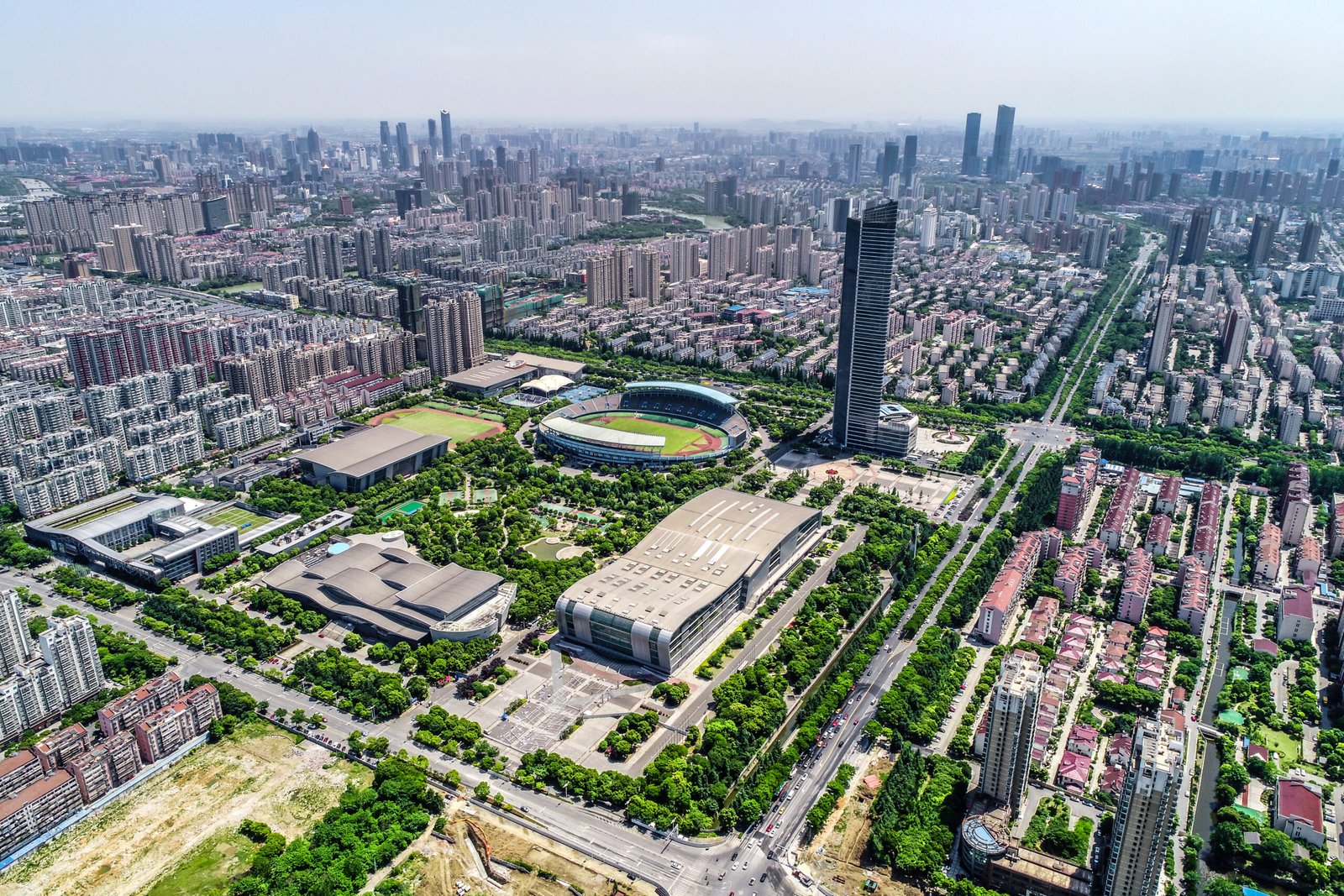
The Indian real estate sector has always been closely tied to infrastructure development. From the expansion of highways to the construction of metro networks and airports, every major project leaves a lasting imprint on property values. For investors, developers, and homebuyers, understanding this relationship is crucial to making informed decisions. In cities like Pune, Bangalore, and Hyderabad, infrastructure upgrades have transformed not just connectivity but also the way people perceive real estate opportunities. Pune Realty has consistently highlighted how infrastructure acts as the backbone of property appreciation, and the evidence is clear across India’s urban landscape.
Metro Projects: Driving Urban Connectivity and Property Demand
Metro rail projects have become game-changers in India’s urban centers. Cities such as Delhi, Mumbai, Bangalore, and Pune have witnessed significant shifts in property demand along metro corridors. The reasons are straightforward:
- Reduced Commute Times: Properties near metro stations offer unparalleled convenience, cutting down travel time in congested cities.
- Boost in Rental Demand: Tenants, especially professionals, prefer homes with easy access to metro lines, leading to higher rental yields.
- Commercial Growth: Office spaces and retail outlets near metro stations attract more footfall, increasing their value.
For example, in Pune, the metro expansion has already begun reshaping property values in areas like Hinjewadi, Shivajinagar, and Kalyani Nagar. Pune Realty reports that residential projects within a 1–2 km radius of metro stations have seen a steady rise in demand, with developers marketing “metro connectivity” as a premium feature.
Highways: Unlocking Suburban and Peripheral Growth
Highways have historically been catalysts for real estate expansion. The Golden Quadrilateral project, for instance, opened up new corridors for development across India. Today, expressways and ring roads continue to drive suburban growth:
- Accessibility to Peripheral Areas: Highways make distant suburbs more accessible, encouraging developers to launch affordable housing projects.
- Industrial and Logistic Hubs: Improved road connectivity attracts industries, warehouses, and logistics parks, which in turn boost residential demand nearby.
- Land Appreciation: Agricultural land near highways often gets converted into residential or commercial plots, leading to sharp appreciation.
In Maharashtra, the Mumbai-Pune Expressway is a classic example. It not only reduced travel time between the two cities but also spurred real estate growth in towns like Lonavala and Talegaon. Pune Realty emphasizes that highway projects often create “new cities within cities,” where affordable housing thrives alongside industrial growth.
Airports: Global Connectivity and Premium Real Estate
Airports are more than just transit hubs; they are engines of economic growth. Proximity to an airport often translates into higher property values, especially for premium and commercial real estate:
- Business Travel Convenience: Corporate professionals and expatriates prefer living near airports, boosting demand for luxury housing.
- Hospitality and Retail Growth: Hotels, malls, and entertainment complexes cluster around airports, creating vibrant micro-markets.
- International Investment: Airports attract foreign investors and NRIs, who see connectivity as a key factor in property investment.
Take Pune International Airport’s expansion plans. With new terminals and increased capacity, surrounding areas like Viman Nagar and Lohegaon are witnessing rising property prices. Pune Realty notes that developers are positioning projects in these zones as “airport-centric living,” appealing to both domestic and international buyers.
The Synergy Between Infrastructure and Real Estate
While metro projects, highways, and airports individually impact property values, their combined effect is even more powerful. Cities that integrate multiple infrastructure upgrades simultaneously often experience exponential growth in real estate demand. For instance:
- Delhi NCR: The combination of metro expansion, expressways, and the IGI Airport has created high-value zones like Gurgaon and Noida.
- Bangalore: The metro, Outer Ring Road, and Kempegowda International Airport have collectively boosted property values in Whitefield and Hebbal.
- Pune: With metro lines, the Mumbai-Pune Expressway, and airport expansion, Pune is emerging as one of India’s most dynamic real estate markets.
Pune Realty consistently highlights that infrastructure synergy is the single most important driver of property appreciation in modern India.
Challenges and Considerations
While infrastructure projects boost property values, investors must also consider potential challenges:
- Project Delays: Metro and highway projects often face delays, which can temporarily stall property appreciation.
- Environmental Concerns: Large-scale infrastructure can lead to ecological issues, impacting sustainability.
- Speculative Pricing: Developers sometimes inflate prices based on future infrastructure promises, which may not materialize quickly.
Therefore, buyers and investors should balance optimism with caution, relying on credible sources like Pune Realty for market insights.
Conclusion: Infrastructure as the Cornerstone of Real Estate Growth
The impact of metro projects, highways, and airports on property values in India is undeniable. They enhance connectivity, attract businesses, and improve lifestyle convenience—all of which translate into higher demand and appreciation. For resale properties pune cities like Pune, where multiple infrastructure projects are underway, the future of real estate looks promising. Pune Realty continues to emphasize that infrastructure is not just about roads and rails; it is about creating ecosystems where people want to live, work, and invest.
