

Why Ground Prep Is Where Jobs Are Won (or Lost)
Most contractors don’t brag about compaction work. It’s not flashy. Nobody posts photos of perfectly compacted subgrade on Instagram. But here’s the truth ground prep decides whether your project lasts five months or fifty years.
You can pour the best concrete in the county. Lay premium gravel. Install beautiful pavers. Doesn’t matter. If the base isn’t tight, stable, and properly packed, it will shift. Crack. Sink. And then you’re back on site fixing something that should’ve been done right the first time.
That’s where a compactor machine earns its keep. Not glamorous. Just critical.
What a Compactor Machine Actually Does
A lot of guys treat compaction like it’s just “drive over it a few times.” That works… until it doesn’t.
A compactor machine forces air out of soil and gravel, reducing void spaces and increasing density. That density is what gives you load-bearing strength. Less movement. Less water infiltration. Fewer callbacks.
Different materials behave differently too. Clay holds moisture. Sandy soil drains fast but shifts easier. Crushed stone needs vibration to lock together. Using the right plate compactor or vibratory attachment makes all the difference.
And here’s the blunt part: if you’re eyeballing compaction instead of measuring it or at least taking it seriously, you’re gambling.
Soil Compaction: Stability First
When you’re prepping soil for foundations, footings, driveways, or even fence lines, the goal is simple stability. Loose soil settles over time. Especially after rain. Especially under load. That settlement shows up as cracks, dips, uneven slabs. Not good.
Running a vibratory compactor tightens that base layer. It increases shear strength and reduces future shifting. On commercial jobs, that stability isn’t optional. It’s expected. Farm operators know this too. Equipment is heavy. Grain trucks, tractors, skid loaders. If your yard or access road isn’t properly compacted, you’ll see ruts fast. And once ruts start, water collects. Then erosion kicks in. It’s a chain reaction.
Proper compaction stops that cycle before it begins.
Gravel Work: Lock It In or Lose It
Gravel is deceptive. It looks solid once it’s spread. But until it’s compacted, it’s just loose aggregate sitting there. A compactor machine vibrates gravel so the angular pieces interlock. That interlocking effect creates a dense surface capable of handling traffic and load weight. Without vibration, gravel shifts sideways. You’ve seen it. Edges push out. Tire tracks form.
For contractors doing parking pads, equipment storage areas, barn floors, or access lanes compaction is what makes gravel perform like a structural layer instead of decorative rock.
And if you’re pairing gravel prep with skid steer land clearing attachments earlier in the project, compaction becomes even more important. Clearing brush and debris is step one. But stabilizing what’s left behind is what makes it usable long term.
Time, Labor, and Why It Actually Saves Money
Some crews try to cut corners on compaction because they think it slows the job down.
It doesn’t.
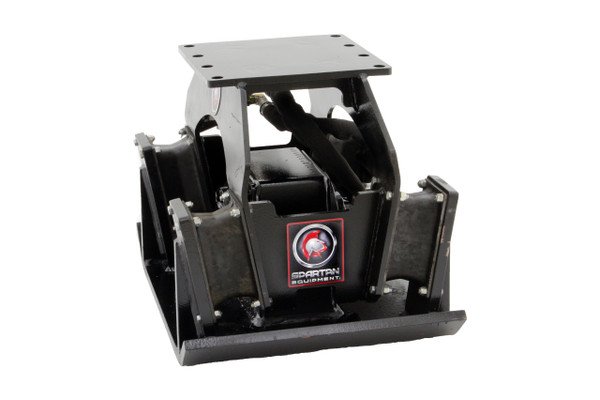
Using a plate compactor attachment or hydraulic compaction equipment speeds up the process compared to manual tamping or repeated machine passes. You get consistent density across the surface. Not just the spots your tires happened to hit.
Consistency means fewer soft pockets. Fewer repairs. Fewer frustrated clients calling back six months later.
And let’s talk labor. One operator running the right attachment does the work of multiple guys with hand tampers. That matters on tight timelines. Especially when you’re juggling multiple sites.
Contractors who’ve upgraded their equipment setup — whether that’s a dedicated vibratory plate or an attachment from Spartan Equipment — usually say the same thing: “Should’ve done this sooner.”
Moisture Control and Long-Term Performance
Water is the enemy of poorly compacted soil.
Loose material allows water to seep in. When temperatures change, expansion and contraction start happening. Freeze-thaw cycles get brutal in certain states. You don’t need me to explain what that does to slabs and paved areas.
Proper compaction reduces water infiltration. It creates a tighter surface that drains properly when graded right. That combination — grading plus compaction — keeps base layers from breaking down.
Landscapers see this constantly on patios and walkways. Without solid compaction under pavers, you get uneven settling. Clients notice that stuff fast.
Choosing the Right Compaction Setup
Not every job needs the same approach.
Small residential repair? A walk-behind plate compactor might be fine.
Large commercial pad? You’re probably looking at hydraulic vibratory compactor attachments for skid steers or excavators. More power. Better depth penetration. More uniform results.
Match the tool to the job. And match the soil type too. Cohesive soils respond differently than granular ones. It’s not complicated, but it does require paying attention.
Contractors who already run skid steer land clearing attachments can integrate compaction into their workflow pretty smoothly. Clear, grade, compact. Done. Same machine. Different attachment. Efficient.
Durability and Professional Reputation
Here’s something nobody talks about enough — compaction affects your reputation.
Clients might not understand compaction specs. They don’t ask about soil density percentages. But they do notice when driveways crack or pads sink.
Solid base work separates professionals from guys who just move dirt around.
Using reliable equipment matters too. Heavy-duty attachments built to handle commercial abuse aren’t optional if you’re running jobs daily. That’s why brands like Spartan Equipment get attention from contractors who are serious about uptime and durability. Equipment failures in the middle of a compaction pass? No thanks.
When your gear holds up, your work holds up.
Compaction and Productivity on Working Sites
On active job sites, downtime is expensive. So is rework.
A good compactor machine reduces both. You get faster turnaround on soil prep. Gravel sets up tighter. You can move to the next phase sooner — pouring concrete, installing structures, laying material.
Farm operators especially benefit from this efficiency. Compact a barn floor right the first time, you’re not revisiting it next season. Compact access roads properly, you’re not fighting mud every spring.
It’s one of those investments that quietly pays for itself.
The Bottom Line
Compaction isn’t the sexy part of construction or land management. It’s the foundation part. And foundations are everything.
A compactor machine improves soil strength, stabilizes gravel, controls moisture, and protects long-term structural integrity. It saves labor. Reduces callbacks. Builds trust with clients who may never know why your work lasts longer they just know it does.
For contractors, landscapers, and farm operators already using skid steer land clearing attachments, adding proper compaction into the workflow isn’t an upgrade. It’s just the next logical step.
Do the base right. Lock it in tight. And move on to the next job knowing it’s not coming back to haunt you.
