

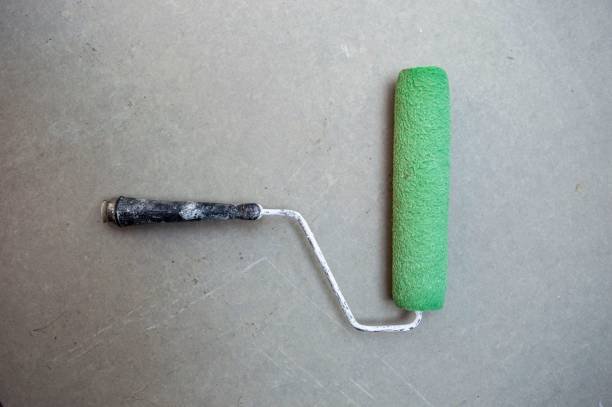
Anyone who’s painted more than one wall knows this. Not all rollers are built the same. Some leave fuzz stuck in the paint. Some drag. Some feel smooth for five minutes, then start shedding like a cheap sweater. And when you’re running big walls with 18 in rollers for painting, those little flaws get magnified fast. A tiny lint problem turns into a full wall redo. It’s frustrating. Costs time. Costs money. The difference between a smooth finish and a rough one isn’t luck. It’s science. Fibres, bonding methods, fabric density, and even how the roller core is built. There’s real engineering behind a lint-free roller, even if most people don’t think about it that way.
What “Lint-Free” Actually Means in the Real World
“Lint-free” doesn’t mean zero fibres will ever come off. Let’s be honest. Nothing made of fabric is 100% immune. What it really means is the roller cover has been manufactured to minimise fibre release during loading, rolling, and washing. The fabric is woven or knitted tightly. The fibres are heat-set or chemically bonded. The adhesive that secures the fabric to the core is strong enough that it doesn’t loosen when saturated. Cheap rollers skip some of those steps. That’s where the fuzz comes from. When fibres aren’t properly locked in, paint pulls them loose. And once they’re on the wall, good luck picking them out without wrecking your finish.
The Role of Fibre Type in Smooth Finishes
Not all fibres behave the same under pressure. Synthetic blends like polyester and nylon are common in high-quality lint-free covers because they’re durable and resist swelling. Natural fibres can absorb more paint, which sounds good, but they can also soften too much and shed. Microfiber rollers have become popular for a reason. The strands are extremely fine and densely packed, which helps them hold paint evenly and release it smoothly. Less splatter. Fewer track marks. When the fibre diameter is consistent, the paint film levels better. That’s not marketing fluff. It’s physics. Even distribution equals even drying.
Fabric Density and Nap Height Matter More Than People Think
You’ll hear contractors talk about nap height like it’s a personal preference thing. It’s not just preference. It’s surface science. Shorter naps—like 1/4 inch or 3/8 inch—are ideal for smooth drywall because they lay paint down thin and controlled. Longer naps are better for textured surfaces but can create more stipple if the fabric isn’t dense enough. Density is the keyword here. A high-density 1/2 inch nap roller can still produce a tight finish because the fibres support each other. Low-density covers collapse under pressure. That’s when you see lines, uneven spread, and those annoying fuzzy bits stuck in drying paint.
Heat-Fused Cores and Why They Reduce Shedding
Here’s something most DIYers never think about: the bond between the fabric and the roller core. Better rollers use heat-fused technology to attach the fabric. That means the backing is melted slightly and bonded directly to the core without relying only on glue. Glue can weaken when soaked in paint or cleaned repeatedly. Heat fusion creates a mechanical bond. It’s tougher. Especially important when you’re working with larger covers like 18-inch rollers. More surface area means more stress. If the bond isn’t solid, you’ll start seeing separation at the edges. And once that starts, shedding isn’t far behind.
Why Bigger Rollers Demand Better Engineering
Using wider rollers speeds up production. That’s obvious. Fewer passes, fewer lap marks. But with 18-inch frames and covers, balance becomes critical. The fabric has to be consistent across the entire width. If one section is denser than another, the pressure won’t distribute evenly. You’ll get heavier paint lines on one side. Cheap wide rollers exaggerate every flaw. High-quality 18 in rollers for painting are built with tighter tolerances. Straighter cores. Even fibre distribution. That’s what allows pros to move fast without sacrificing finish quality. Big tools need better build quality. No way around it.
How Paint Release Affects Final Appearance
Loading and releasing paint sounds simple, but it’s actually controlled absorption and release. A good lint-free roller absorbs paint into the fibre structure, not just on the surface. Then, as you apply pressure to the wall, the paint releases evenly. If the fibres are too stiff, they won’t release well. Too soft, and they dump too much at once. That’s when you see heavy edges or roller marks. The science is in the balance. Fibre resilience combined with controlled absorption. When that balance is right, the finish levels out smoothly as it dries. No texture clumps. No dry drag spots.
Prepping Rollers the Right Way (Yes, It Matters)
Even the best roller can shed if you don’t prep it. I’ve seen guys rip open a brand-new cover and dunk it straight into paint. Bad move. Always rinse and spin out excess water first. Or wrap it with painter’s tape and pull off loose fibres before loading. Takes two minutes. Saves headaches. This isn’t about babying the tool. It’s about removing manufacturing dust and stray fibres left from packaging. Small step, big difference.
Professional Workflow and Bulk Buying Decisions
Contractors who manage bigger crews think about consistency. That’s why many choose to buy paint brushes in bulk along with roller covers from the same trusted manufacturer. It’s not just about price breaks. It’s about keeping the finish quality predictable across multiple jobs. When brushes and rollers behave the same way every time, crews work faster. Fewer surprises. Fewer callbacks. And when you’re doing large commercial spaces with wide rollers, the last thing you want is tool inconsistency slowing everyone down.
Durability Over the Life of the Roller
A truly lint-free roller isn’t just good on day one. It holds up after cleaning. The fibres snap back instead of matting down. The core doesn’t warp. Cheaper covers might look fine out of the package, but fall apart after one wash. Once the nap starts clumping, the finish quality drops. You’ll see streaks and an inconsistent sheen. Investing in better covers means you can reuse them on multiple jobs, assuming you clean them right. That long-term stability is part of the science, too. Material memory. Structural integrity. It all plays a role.
Conclusion: Smooth Finishes Aren’t Accidental
At the end of the day, smooth paint finishes aren’t magic. They’re the result of fibre engineering, proper bonding, balanced absorption, and good technique. A lint-free roller is built, not branded. And when you’re covering serious square footage, especially with wide frames, quality matters even more. The science is there whether people notice it or not. Tighter fabric. Better cores. Smarter manufacturing. You feel the difference when you roll. Less drag. Less fuzz. Just clean coverage. Simple as that.
