

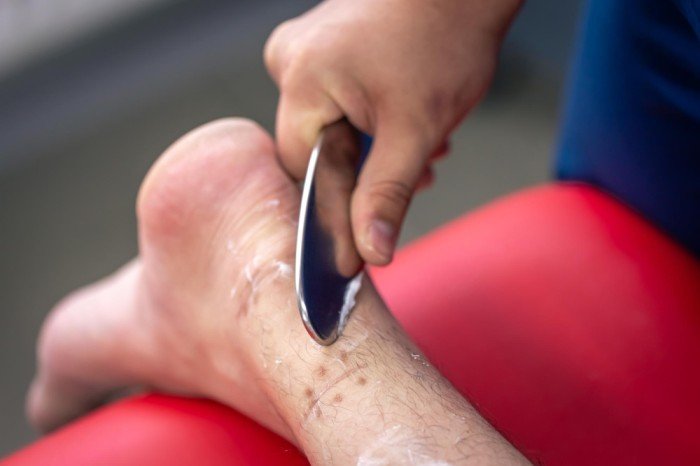
Diabetic foot ulcers are among the most serious complications for individuals living with diabetes. They can lead to prolonged pain, reduced mobility, and in severe cases, infections or amputations. According to research, diabetic foot ulcers affect approximately 15% of people with diabetes during their lifetime, making effective management and innovative care essential. Modern advancements in diabetic ulcers on feet treatment provide safer, faster, and more reliable healing options for patients, improving both outcomes and quality of life.
This article explores the most innovative techniques and expert strategies for managing diabetic foot ulcers, offering insights into modern care methods that accelerate recovery while preventing complications.
Understanding Diabetic Foot Ulcers
Diabetic foot ulcers are open sores that usually form on the toes, soles, or heels. They occur due to a combination of diabetes-related complications:
- Peripheral neuropathy: Nerve damage decreases sensation, making minor injuries go unnoticed.
- Poor circulation: Reduced blood flow slows healing and increases the risk of infection.
- Foot deformities: Conditions like bunions or hammertoes create pressure points prone to ulceration.
- Hyperglycemia: High blood sugar levels impair the immune system and tissue repair, delaying recovery.
Understanding these causes is critical for designing an effective diabetic ulcers on feet treatment plan. Addressing the underlying risk factors alongside wound care ensures optimal healing.
Early Detection: Key to Successful Treatment
Timely identification of diabetic foot ulcers is critical to prevent severe complications. Patients and caregivers should watch for:
- Redness, swelling, or warmth around the foot
- Open sores, blisters, or cuts that do not heal
- Foul-smelling discharge or pus
- Pain, tenderness, or numbness
- Skin discoloration, thickening, or cracks
Regular self-examination and professional foot evaluations allow for early interventions that significantly enhance the effectiveness of treatment.
The Importance of Innovative Treatment Approaches
Traditional wound care techniques are still important, but innovative approaches in diabetic ulcers on feet treatment have dramatically improved healing outcomes. Modern methods:
- Accelerate tissue regeneration
- Reduce risk of infection and chronic wounds
- Minimize recurrence of ulcers
- Preserve mobility and independence
- Improve overall quality of life
Combining advanced technologies, expert care, and patient-centered strategies ensures faster, safer, and more effective recovery.
Comprehensive Innovative Techniques
1. Advanced Wound Assessment
Effective treatment begins with a thorough evaluation:
- Measuring ulcer size, depth, and severity
- Identifying infection or necrotic tissue
- Assessing circulation and nerve function
- Detecting pressure points or foot deformities
Detailed assessment allows healthcare providers to design a personalized diabetic ulcers on feet treatment plan tailored to the patient’s specific needs.
2. Infection Control with Targeted Therapies
Infections are a major concern in diabetic foot ulcers. Innovative strategies include:
- Topical antibiotics for localized infections
- Oral or intravenous antibiotics for severe cases
- Laboratory-guided cultures to identify the most effective antibiotic
- Continuous monitoring for early signs of spreading infection
Modern infection control reduces the risk of cellulitis, osteomyelitis, sepsis, and other severe complications.
3. Debridement and Wound Preparation
Debridement, the removal of dead or infected tissue, is a key step in promoting healing:
- Prepares the wound bed for advanced therapies
- Removes bacteria-harboring tissue
- Stimulates new tissue formation
Innovative debridement techniques, including ultrasonic and enzymatic debridement, improve wound preparation and accelerate healing. Advanced dressings such as hydrocolloids, foam, and antimicrobial coverings help maintain an ideal environment for recovery.
4. Pressure Offloading Techniques
Reducing pressure on the ulcer is essential for healing:
- Custom diabetic footwear or orthotics to distribute weight evenly
- Total contact casts that protect the wound while allowing mobility
- Specialized boots or mobility aids for severe ulcers
Innovative offloading techniques prevent further tissue damage, supporting more effective and faster recovery.
5. Blood Sugar and Metabolic Management
Optimal glucose control enhances tissue repair and reduces complications:
- Continuous glucose monitoring for real-time insights
- Personalized insulin or medication management
- Balanced diet plans that support wound healing
- Regular exercise to improve circulation
Advanced diabetic care ensures that systemic factors contributing to ulcer formation are managed alongside local wound treatment.
6. Cutting-Edge Wound Healing Therapies
Several modern therapies have revolutionized diabetic ulcers on feet treatment:
- Negative Pressure Wound Therapy (NPWT): Uses controlled suction to remove fluid, reduce swelling, and stimulate tissue growth
- Growth Factor Therapy: Promotes cellular regeneration and faster healing
- Bioengineered Skin Substitutes: Provides structural support and accelerates healing for chronic or large wounds
- Hyperbaric Oxygen Therapy (HBOT): Enhances oxygen delivery to tissues, supporting recovery and reducing infection risk
These techniques complement traditional care, making them highly effective for chronic or difficult-to-heal ulcers.
7. Minimally Invasive Surgical Interventions
Surgical care may be necessary for severe ulcers or non-healing wounds:
- Surgical Debridement: Removes necrotic tissue to promote healing
- Reconstructive Surgery: Corrects deformities and redistributes pressure
- Amputation (last resort): Reserved for uncontrollable infection or tissue death
Minimally invasive procedures reduce recovery time and risks, making surgical treatment safer for patients.
8. Multidisciplinary Approach
Expert diabetic ulcers on feet treatment often involves a team of specialists:
- Podiatrists: Focus on foot care and ulcer management
- Endocrinologists: Manage blood sugar and diabetes-related complications
- Wound Care Specialists: Implement advanced therapies and monitor healing
- Vascular Surgeons: Address circulation issues
- Nutritionists: Recommend diets that support tissue repair
Collaborative care ensures all factors affecting healing are addressed comprehensively.
9. Patient Education and Lifestyle Integration
Patients play a crucial role in healing and prevention:
- Daily foot inspections to detect early signs of ulcers
- Maintaining foot hygiene and keeping feet dry
- Wearing protective, well-fitted footwear
- Avoiding barefoot walking to prevent injury
- Maintaining a balanced diet and healthy lifestyle
Educated patients are more likely to adhere to care plans and reduce recurrence.
10. Prevention of Recurrence
Even after healing, diabetic foot ulcers can recur. Best preventive strategies include:
- Regular foot checkups and screenings
- Custom orthotic footwear to minimize pressure points
- Immediate attention to minor injuries or infections
- Ongoing blood sugar management
- Maintaining vascular and overall foot health
Preventive measures are essential for long-term success in diabetic ulcers on feet treatment.
11. When to Seek Urgent Care
Certain warning signs require immediate medical attention:
- Rapidly worsening or deepening ulcers
- Pus or foul-smelling discharge
- Red streaks or swelling spreading from the wound
- Fever, chills, or systemic infection symptoms
- Sudden loss of sensation or severe pain
Timely intervention can prevent serious complications and preserve foot function.
Benefits of Innovative Techniques
Applying innovative techniques in diabetic ulcers on feet treatment provides multiple benefits:
- Faster and more reliable wound healing
- Reduced risk of infections and severe complications
- Preservation of mobility and independence
- Improved patient quality of life
- Cost-effective long-term care by preventing chronic wounds
Modern treatment protocols combine traditional care with cutting-edge technologies to optimize outcomes.
Conclusion
Diabetic foot ulcers are a severe complication that requires expert management and innovative care strategies. Safe and effective diabetic ulcers on feet treatment involves comprehensive wound assessment, infection control, advanced therapies, pressure offloading, blood sugar management, surgical interventions when needed, multidisciplinary care, and patient education.
By integrating these modern techniques, patients can achieve faster healing, prevent complications, and maintain long-term foot health. Early intervention, personalized care, and adherence to preventive measures ensure successful outcomes and improved quality of life for individuals living with diabetes.
