

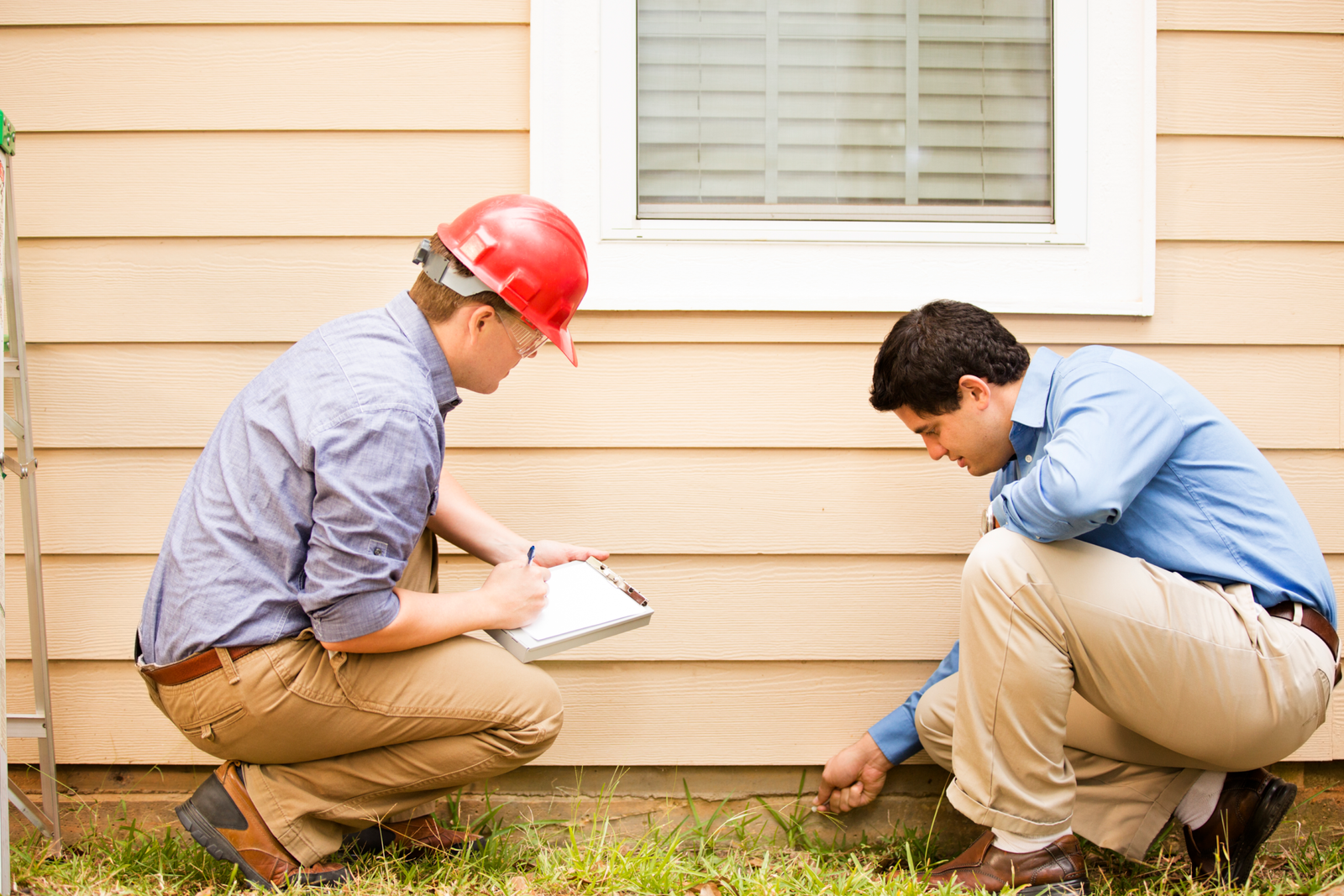
Buying a house is one of the biggest financial decisions most people will ever make. Whether you are investing for the future or Buying Your First Home, a professional home inspection plays a critical role in protecting your money and peace of mind. A home may look perfect on the surface, but hidden issues can turn your dream purchase into a costly mistake if they are not identified early.
A thorough home inspection helps buyers understand the true condition of a property before finalizing the deal. It also provides leverage during negotiations and helps you plan future maintenance costs. This guide explains exactly what to look for during a home inspection so you can make an informed and confident decision.
Why a Home Inspection Matters
A home inspection is a detailed evaluation of a property’s physical condition, usually conducted by a certified inspector. The goal is to identify existing or potential issues that could affect safety, functionality, or long-term value.
For people Buying Your First Home, inspections are especially important because first-time buyers often lack experience identifying red flags. Even if you are working with a trusted Realtor, the inspector provides an unbiased, professional assessment that supports smarter decision-making.
Skipping or rushing an inspection may save time upfront, but it can cost thousands of dollars later in repairs, renovations, or legal disputes.
1. Structural Integrity of the Home
The structure is the backbone of any house. During an inspection, special attention should be paid to the foundation, walls, floors, and ceilings.
What to Check:
- Cracks in the foundation or basement walls
- Uneven or sloping floors
- Cracks in interior or exterior walls
- Signs of water intrusion or structural shifting
Minor cracks may be normal, but large or growing cracks can indicate serious structural problems. These issues are often expensive to fix and should never be ignored.
2. Roof Condition and Exterior Elements
The roof protects the entire home from weather damage. Replacing a roof can be costly, so its condition should be carefully evaluated.
Key Areas to Inspect:
- Age of the roof
- Missing, curling, or damaged shingles
- Signs of leaks or water stains
- Condition of gutters and downspouts
- Exterior walls, siding, and paint
If the roof is near the end of its lifespan, your Realtor may help you negotiate repairs or a price reduction.
3. Plumbing System
Plumbing issues can be hidden behind walls and under floors, making them difficult to detect without a professional inspection.
Important Checks Include:
- Water pressure in sinks and showers
- Visible leaks under sinks
- Pipe material and condition
- Drainage speed
- Water heater age and performance
Leaks or outdated plumbing can lead to water damage, mold growth, and high repair costs, especially concerning for those Buying Your First Home on a limited budget.
4. Electrical System Safety
An outdated or faulty electrical system is not just inconvenient—it can be dangerous.
Inspectors Will Look For:
- Electrical panel condition
- Wiring type and age
- Proper grounding
- Functioning outlets and switches
- Signs of overloaded circuits
Electrical upgrades can be expensive, so it’s important to understand whether the system meets current safety standards.
5. Heating, Ventilation, and Air Conditioning (HVAC)
HVAC systems significantly impact comfort and energy costs. A malfunctioning system can lead to expensive repairs or replacements.
Areas of Focus:
- Age of the HVAC unit
- Maintenance history
- Airflow throughout the house
- Thermostat operation
- Signs of rust or leaks
Knowing the condition of the HVAC system helps buyers plan for future expenses and avoid unexpected breakdowns.
6. Windows, Doors, and Insulation
Windows and doors affect energy efficiency, security, and overall comfort.
What Inspectors Check:
- Proper sealing and insulation
- Drafts or air leaks
- Broken seals or foggy windows
- Ease of opening and closing
- Condition of door frames
Poor insulation can increase energy bills, which is an important consideration when Buying Your First Home.
7. Interior Features and Built-In Appliances
While cosmetic issues are usually less serious, they can still affect comfort and resale value.
Inspection Includes:
- Floors, walls, and ceilings
- Cabinets and countertops
- Built-in appliances
- Signs of poor workmanship or water damage
Appliances are often included in the sale, so ensuring they function properly can save money after move-in.
8. Attic, Basement, and Crawl Spaces
These areas often reveal hidden problems that are not visible in main living spaces.
Key Things to Look For:
- Proper insulation and ventilation
- Signs of moisture or leaks
- Mold or mildew
- Pest activity
- Structural concerns
Problems in these areas may indicate long-term issues that require immediate attention.
9. Pest and Termite Damage
Pests can cause extensive damage if left untreated. Termites, in particular, can weaken a home’s structure over time.
Signs of Pest Issues:
- Wood damage
- Droppings or nests
- Hollow-sounding wood
- Mud tubes or insect wings
If pest damage is found, a specialist inspection may be required before moving forward.
10. Reviewing the Inspection Report
Once the inspection is complete, you will receive a detailed report outlining all findings.
How to Use the Report:
- Identify major vs minor issues
- Understand safety concerns
- Estimate repair costs
- Decide whether to renegotiate or walk away
Your Realtor plays a key role at this stage, helping you interpret the report and negotiate repairs, credits, or price adjustments with the seller.
How a Realtor Helps During the Inspection Process
A knowledgeable Realtor is an essential partner during the home inspection phase. They can recommend qualified inspectors, attend the inspection with you, and explain technical findings in simple terms.
For buyers who are Buying Your First Home, having a Realtor ensures that no critical steps are missed and that your interests are protected throughout the transaction.
Homepage
Common Mistakes to Avoid
- Skipping the inspection to speed up the process
- Ignoring minor issues that could become major problems
- Focusing only on cosmetic flaws
- Not asking questions about the inspection report
- Failing to negotiate based on inspection results
Avoiding these mistakes can save you time, stress, and money.
Conclusion
A home inspection is not just a formality—it is a powerful tool that protects buyers from costly surprises. By understanding what to look for during a home inspection, you can make smarter decisions and move forward with confidence.
Whether you are a seasoned buyer or Buying Your First Home, a thorough inspection combined with guidance from an experienced Realtor ensures that your investment is safe, informed, and well-planned. Taking the time to evaluate a property properly today can save you years of financial and emotional stress tomorrow.
