

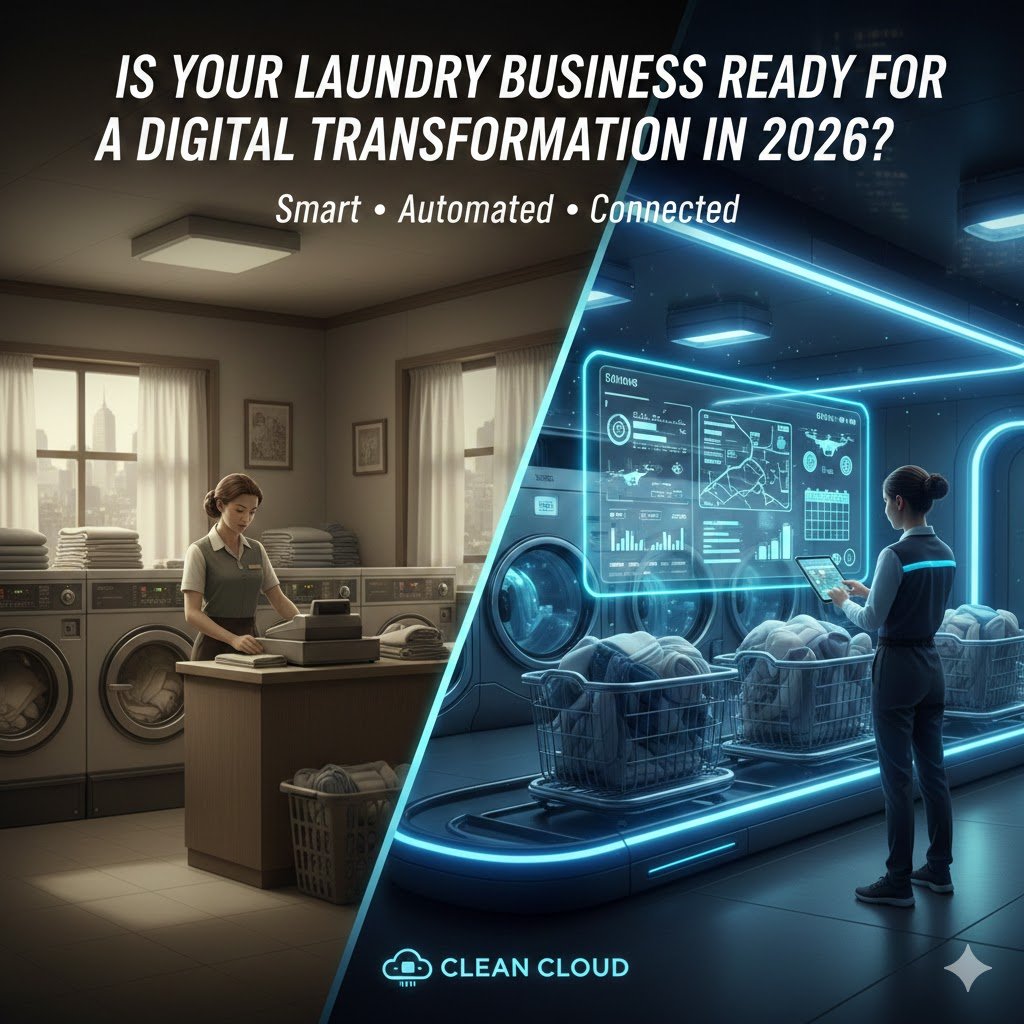
The laundry industry is no longer about washing, drying, and folding. In 2026, the laundry industry is transforming. Customer expectations, operational efficiency, and competitive pressure drive these changes. Digital transformation is not a luxury anymore — it’s a strategic necessity.
If you own or manage a laundry business, the real question is not whether technology matters. The question is: Are you prepared to adapt before your competitors do?
This article looks at what digital transformation means for laundry businesses. It explains why this matters in 2026. Partnering with a laundry app development company can boost your business growth.
What Digital Transformation Really Means for Laundry Businesses
Digital transformation goes beyond launching a website or a social media page. It means using technology in key areas. These include operations, customer interaction, and business management.
For a laundry business, this includes:
- Online booking and scheduling
- Real-time order tracking
- Automated billing and payments
- Inventory management
- Customer data analytics
- Route optimization for pickups and deliveries
- Performance tracking dashboards
Digital transformation changes a manual, reactive business model. It creates a data-driven, automated, and scalable system.
Why 2026 Is a Turning Point
The business landscape has evolved rapidly in recent years. By 2026, several factors are accelerating digital adoption in the laundry industry:
1. Changing Customer Expectations
Customers expect convenience. They want:
- Mobile booking
- Instant confirmation
- Digital payments
- Real-time order updates
- Transparent pricing
If your competitors have a smooth mobile experience, customers might choose them. It’s important to keep up. Relying on phone calls and manual registers won’t compete.
2. On-Demand Economy Growth
Consumers often use on-demand services such as food delivery, ride-sharing, and grocery delivery. Laundry services are following the same pattern. Businesses that fail to adopt an on-demand model risk becoming outdated.
3. Operational Efficiency Demands
Manual processes increase operational delays, human errors, miscommunication, and revenue leakage while limiting scalability and customer satisfaction. Without digital systems built by a professional laundry app development company, businesses struggle to streamline workflows, automate tasks, and maintain consistent service quality in competitive markets.
- Errors
- Miscommunication
- Order mix-ups
- Revenue leakage
Digital systems reduce human error and streamline workflows.
4. Increased Competition
Local laundries are no longer competing only within neighborhoods. App-based service providers are expanding across cities. A strong digital presence creates competitive leverage.
Signs Your Laundry Business Needs Digital Transformation
Ask yourself these questions:
- Are you still taking most orders via phone calls?
- Do you track orders manually?
- Is your billing process time-consuming?
- Do customers frequently ask about order status?
- Do you struggle with missed pickups or delivery delays?
- Are you unable to measure customer retention effectively?
If the answer is yes to even three of these, digital transformation is no longer optional.
Core Components of a Digitally Transformed Laundry Business
1. Mobile Application for Customers
A dedicated mobile app allows customers to:
- Schedule pickups and deliveries
- Choose services
- Make secure payments
- Track orders in real time
- Receive notifications
A top laundry app development company makes sure the app is easy to use, safe, and can grow with your needs.
2. Admin Dashboard
An admin panel provides complete operational control.
- Order management
- Revenue tracking
- Employee management
- Service customization
- Analytics and reports
With centralized control, decision-making becomes data-driven rather than assumption-based.
3. Delivery Agent Module
For pickup and delivery-based models, having a driver app helps:
- Optimize routes
- Reduce fuel costs
- Improve delivery accuracy
- Check performance
Automation reduces operational chaos.
4. Integrated Payment System
Modern customers prefer:
- UPI
- Credit/debit cards
- Wallet payments
- Subscription models
Digital payment integration increases trust and speeds up transactions.
Benefits of Digital Transformation
1. Increased Revenue
Digital systems enable:
- Upselling add-on services
- Subscription plans
- Promotional campaigns
- Referral programs
More engagement equals higher revenue per customer.
2. Improved Customer Retention
Push notifications, loyalty programs, and personalized offers keep customers returning.
Retention is significantly cheaper than acquisition.
3. Operational Cost Reduction
Automation reduces:
- Manual labor costs
- Errors
- Paperwork
- Administrative overhead
Efficiency improves margins.
4. Data-Driven Decision Making
With analytics, you can track:
- Peak order times
- Most requested services
- Customer behavior patterns
- Revenue trends
Data eliminates guesswork.
The Role of a Laundry App Development Company
Choosing the right technology partner is crucial. A leading laundry app development company provides:
- Custom app design
- Scalable architecture
- Secure payment integration
- Cloud-based infrastructure
- Ongoing support and maintenance
- Performance optimization
A generic app and a well-planned solution have different impacts on long-term success.
Common Mistakes to Avoid
1. Choosing the Cheapest Solution
Low-cost apps often lack scalability and security.
2. Ignoring User Experience
A complicated interface drives customers away.
3. Skipping Testing
Poor testing leads to bugs, negative reviews, and loss of trust.
4. Not Planning for Scalability
If you plan to expand to many locations, your system must support growth.
Trends Shaping the Laundry Industry in 2026
1. AI-Based Order Predictions
Predicting customer reorder cycles.
2. Subscription-Based Laundry Plans
Monthly or weekly fixed packages
3. Eco-Friendly Tracking
Customers show a growing preference for sustainable businesses.
4. Real-Time Analytics
Live dashboards for instant decision-making.
5. Hyperlocal Targeting
Location-based marketing campaigns.
Digital infrastructure enables all these.
Cost Considerations
The cost of digital transformation depends on:
- App complexity
- Features required
- Platform (iOS, Android, or both)
- Backend infrastructure
- Maintenance plan
The ROI of investing in the right tech solution often surpasses the initial investment within 12 to 18 months when implemented strategically, optimized properly, and aligned with long-term business growth goals.
Step-by-Step Path to Going Digital
- Analyze your current operational bottlenecks
- Define clear business objectives
- Choose a reliable development partner
- Emphasize a design that is easy for users to navigate
- Conduct thorough testing before launch.
- Promote your app in a way that achieves strong results
- Optimize using analytics on an ongoing basis
Digital transformation is a journey, not a one-time upgrade.
Read Next: 11 Benefits of Launching a Digital-First Laundry Service Platform
Final Thoughts
The laundry industry in 2026 is fast, competitive, and technology-driven. Businesses that embrace automation, mobility, and data analytics gain a powerful advantage.
If you still rely on manual systems, you will fall behind digital competitors.
The real question remains:
Is your laundry business ready to evolve, or will it struggle to keep pace?
Investing in digital infrastructure today ensures sustainable growth tomorrow. Partnering with a laundry app development company can boost your business model. This model will be efficient. It will focus on customer satisfaction and aim for long-term profits.
The future of laundry services is digital. The time to act is now.
