

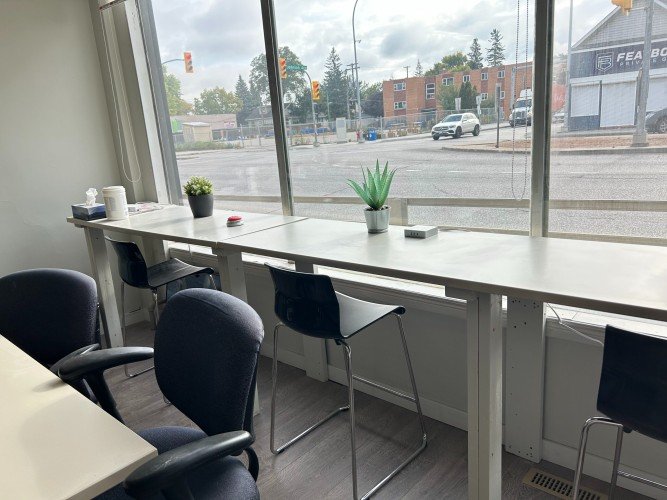
In today’s fast-paced work environment, traditional offices are no longer the only option. The rise of shared office spaces has transformed how businesses, startups, and freelancers operate. These flexible work environments combine convenience, collaboration, and cost-efficiency—making them a popular choice for modern professionals. Whether you’re a freelancer looking for a productive workspace or a small business aiming to reduce overhead, this guide will help you understand everything about sharing office spaces.
What Are Shared Office Spaces?
Shared office spaces, also known as co-working spaces, are professional work environments where multiple individuals or businesses share the same facility. Unlike traditional offices, which are leased by a single entity, shared spaces allow you to rent a desk, an office, or even a conference room for short-term or long-term use.
Key Features of Shared Office Spaces
- Flexible rental terms: Options range from daily passes to monthly memberships.
- Community-focused: Designed to encourage collaboration and networking.
- Fully equipped facilities: Includes high-speed internet, office furniture, printers, and sometimes even coffee bars.
- Cost-effective: Shared expenses make it cheaper than renting a traditional office.
Why Businesses and Freelancers Choose Shared Office Spaces
There are many reasons why businesses and freelancers gravitate towards sharing office spaces. These environments offer more than just a place to work—they offer opportunities, flexibility, and resources that traditional offices often lack.
1. Cost Savings
Renting a traditional office can be expensive, especially for startups or freelancers. Shared office spaces reduce overhead costs because amenities, utilities, and services are split among members.
2. Flexibility and Scalability
Shared workspaces are ideal for businesses experiencing growth or seasonal fluctuations. You can scale your space up or down without the long-term commitment of a traditional lease.
3. Networking Opportunities
One of the biggest perks is the ability to connect with like-minded professionals. Networking events, workshops, and informal interactions can lead to collaborations, partnerships, and new business opportunities.
4. Increased Productivity
Working from home can be isolating. Shared office spaces provide a professional environment that fosters focus and discipline, helping you separate personal life from work.
Types of Shared Office Spaces
Shared workspaces are not one-size-fits-all. Depending on your needs, you can choose from different types of shared spaces:
1. Hot Desks
These are open desks available on a first-come, first-served basis. Hot desks are ideal for freelancers or remote workers who don’t need a permanent workstation.
2. Dedicated Desks
A dedicated desk offers a personal workspace that you can call your own. It’s perfect for individuals who need consistent access and want to personalize their setup.
3. Private Offices
Private offices within a shared space provide a quiet environment for teams while still benefiting from shared amenities. They’re perfect for small businesses or startups requiring confidentiality.
4. Meeting and Event Spaces
Many shared offices also offer conference rooms and event spaces, which can be booked as needed. This is particularly useful for client meetings, workshops, or team brainstorming sessions.
How to Choose the Right Shared Office Space
Selecting the right shared workspace requires careful consideration. Here’s what you should look for:
1. Location
Choose a space that’s easily accessible for you and your team. Proximity to public transport, client locations, and local amenities is crucial.
2. Facilities and Amenities
Ensure the space has everything you need—high-speed internet, ergonomic furniture, meeting rooms, and kitchen facilities. Some spaces even offer wellness rooms or gyms.
3. Community and Culture
Every co-working space has its own vibe. Some cater to startups, while others are ideal for freelancers or creative professionals. Choose a community that aligns with your work style.
4. Pricing and Contracts
Compare membership plans, hidden fees, and cancellation policies. Flexibility is key, so opt for spaces that allow you to scale or change your plan as needed.
5. Security
Make sure your documents, equipment, and digital data are secure. Look for spaces with access controls, surveillance, and secure Wi-Fi networks.
Maximizing Productivity in Shared Office Spaces
To make the most out of your shared office space, consider the following strategies:
1. Personalize Your Workspace
Even in a shared environment, small touches like personal photos, planners, or organizers can make your desk feel like your own.
2. Set Boundaries
Respect the shared environment by keeping noise levels low and scheduling calls in designated areas.
3. Take Advantage of Networking Opportunities
Attend events, workshops, and informal meetups. Engaging with others can spark collaborations and help your business grow.
4. Establish a Routine
Having a consistent work routine helps you separate office time from personal time, boosting focus and efficiency.
5. Leverage Shared Resources
Many shared spaces offer tools like 3D printers, video recording studios, or meeting room technology. Take advantage of these amenities to save costs and enhance your work.
Challenges of Sharing Office Spaces and How to Overcome Them
While shared office spaces are convenient, they come with their own set of challenges:
1. Noise and Distractions
Open-plan setups can be noisy. Noise-cancelling headphones, quiet zones, and scheduling focused work hours can help.
2. Lack of Privacy
Private calls or sensitive meetings may be difficult in shared environments. Opt for private offices or book meeting rooms when needed.
3. Limited Customization
You may not have full control over office design or furniture placement. Choose a space that balances flexibility with your need for personal touches.
4. Membership Costs Can Add Up
While shared spaces are cheaper than traditional leases, monthly fees can accumulate. Compare different plans and choose one that fits your budget.
The Future of Shared Office Spaces
The trend toward shared office spaces continues to grow, driven by remote work, startups, and hybrid teams. Businesses are increasingly valuing flexibility, community, and cost-efficiency, which shared workspaces provide.
Expect more innovative spaces with integrated technology, wellness-focused amenities, and global networks, allowing professionals to work wherever and however they want.
Conclusion
Shared office spaces offer an ideal solution for freelancers, startups, and growing businesses seeking flexibility, networking opportunities, and cost-effective work environments. By understanding the types of spaces, evaluating your needs, and leveraging shared resources, you can maximize productivity and make the most of this modern work model.
Whether you’re a solo freelancer or a small team, shared office space in Winnipeg isn’t just about desks and chairs—it’s about joining a community, unlocking collaboration, and thriving in a professional environment without the overhead of traditional offices.
