

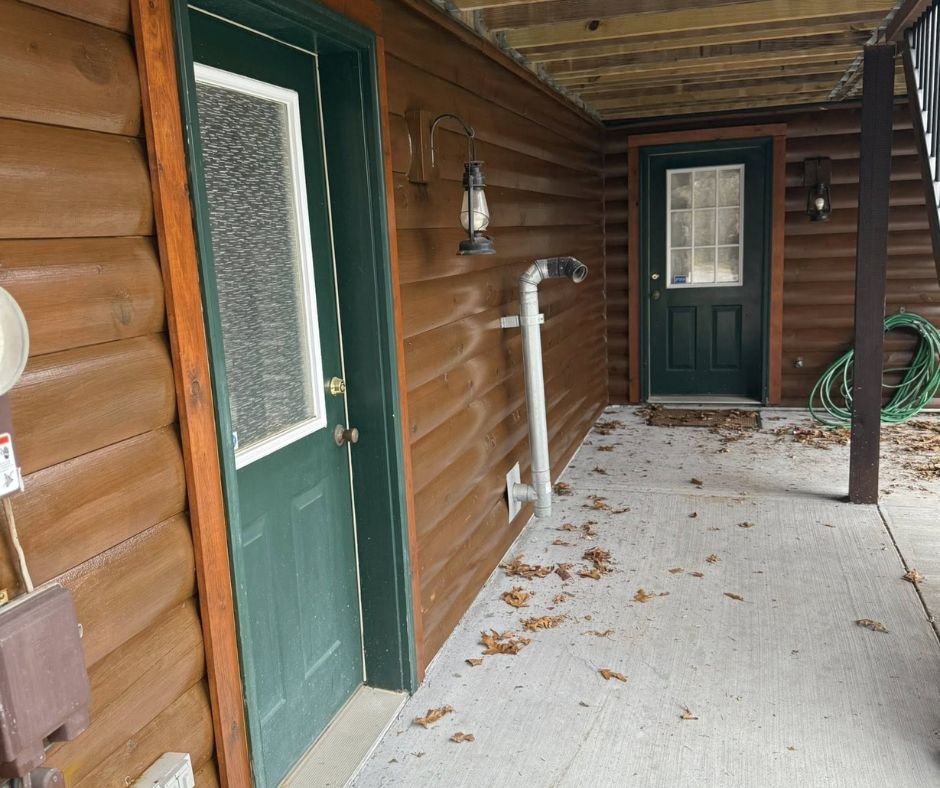
Log cabins are beautiful, sturdy, and kind of timeless. But let’s be honest—they’re not invincible. Moisture gets in, the wood settles, and suddenly you’re staring at rot. It sneaks in, usually where you least expect it, and before long, your cozy getaway or main home starts looking more like a project nightmare. If you’ve ever Googled log cabin repair near me in Winchester, Virginia, you know the drill—everyone claims they can fix it, but not everyone knows what they’re really doing. Fixing rot isn’t glamorous. It’s dusty, sometimes smelly, and requires a mix of patience, elbow grease, and the right tools.
Understanding Rot and Its Causes
Rot isn’t just ugly—it’s destructive. There’s surface rot, which might seem minor at first, and then there’s deep structural decay that compromises your entire cabin. Moisture is the main culprit. Water finds cracks, gaps, or even improperly sealed areas and sticks around. Sun, wind, and temperature swings only make things worse. You’ve got to catch it early. Ignoring it is basically a gamble with the integrity of your cabin.
Some log cabins look fine from the outside, but inside, especially near corners or windows, the wood might be soft and spongy. You tap it and sometimes it sounds hollow. That’s your first red flag. Mold often accompanies rot, so if you see dark streaks or smell a musty odor, it’s time to act. For those who are hesitant or unsure, looking up log cabin repair near me is often the first step. You want someone who understands wood, moisture, and structural stability—not just someone who slaps a patch on and calls it a day.
Tools You Actually Need
Fixing log cabin rot isn’t some magic trick, but you need the right gear. Chisels, pry bars, and saws are essentials. You’ll need a good drill for screws and sometimes bolts, especially if you’re replacing sections of logs. Sanding tools help smooth out patched areas, and wire brushes are useful for cleaning out decayed wood. But the most underrated tool? Your eyes and hands. Feeling the wood, noticing slight discoloration, checking for softness—all of that is more important than any fancy gadget.
Don’t skip on safety gear either. Gloves, eye protection, and a dust mask will save you from splinters, sawdust, and spores. Trust me, a single day of grinding rotten wood without a mask can haunt you for weeks with coughing and irritation. A respirator isn’t overkill. It’s smart.
Techniques for Dealing with Rot
The first step is removing the rot. That’s messy, sometimes tedious, but there’s no shortcut. You need to dig deep enough to get all the compromised wood. Anything left behind is just asking for more trouble. Small chisels work for minor spots, bigger tools for larger sections. Sometimes, you’ve got to cut out entire logs. Yeah, it’s intense, but if the wood is gone, the structure isn’t stable.
After removal, treating the remaining wood is crucial. Wood hardeners or preservatives can stop lingering rot from spreading. This step is often underestimated. People patch the hole, then sit back, and a year later, the rot comes back. That’s why professional log house restoration emphasizes sealing and treating wood before patching. Penetrating stains or sealants keep moisture out, which is the root cause of the problem.
When it comes to replacing logs, measurement and fit matter more than most realize. Logs aren’t perfect rectangles; they have curves, cracks, and quirks. Matching the new wood to the old is almost an art. Cut it, dry-fit it, then adjust. Sand and seal before securing it in place. You might need a combination of screws, spikes, or specialized fasteners designed for log structures. Skip this, and your repair will look sloppy or fail under stress.
Preservation and Long-Term Care
Once you’ve repaired the rot, you’re not done. Maintenance is a lifestyle. Regular inspections, especially around rooflines, windows, and doors, will catch problems early. Moisture control is everything. Overhanging eaves, gutters, and proper grading around the cabin can save decades of work. Even paint or stain choices make a difference; they’re not just cosmetic. They create a barrier between wood and the elements.
Log house restoration isn’t just about fixing what’s broken—it’s about preventing future issues. Every small crack filled, every log treated, and every gap sealed reduces the chance of rot returning. Some people ignore maintenance, thinking repairs are enough. They’re wrong. Rot thrives on neglect. Even a well-done repair can fail if moisture keeps creeping in.
Finding Help When Needed
Not everyone can—or wants to—handle log cabin repair themselves. That’s fine. Knowing when to call in a professional can save you from expensive mistakes. The challenge is finding someone competent. Searching log cabin repair near me is the usual move, but vet carefully. Ask for past projects, photos, references. Log cabins are unique, and sloppy repairs are obvious. Experienced pros understand the nuances: wood types, natural settling, and environmental impacts.
Sometimes, they’ll use modern techniques like epoxy injections or specialized log treatments. Other times, it’s old-school craftsmanship—cutting, fitting, and sealing logs the way it’s always been done. Either approach can work if done properly. What matters is knowledge and precision, not fancy tools or jargon.
Common Mistakes to Avoid
The biggest mistake people make is half-assed repairs. Rot isn’t forgiving. If you leave even a little compromised wood, it’s a ticking time bomb. Another trap is rushing. Replacing a log without proper measurement, or slapping a sealant on too soon, can ruin the fix. And never ignore moisture management. You can do everything else right, but if water keeps getting in, the rot will return.
DIY repairs absolutely can work. Plenty of homeowners handle solid fixes themselves. But it takes honesty. Real assessment of your tools, your experience, your patience. If you’re second-guessing structural cuts or load-bearing sections, that’s your sign to slow down. Maybe even search for log cabin contractors near me in Winchester, Virginia and at least have a conversation. Getting guidance — or hiring someone who’s done it a hundred times — often costs less than redoing months of sloppy repair work later.
Conclusion
Repairing log cabin rot is a grind. It’s messy, sometimes smelly, and it tests your patience. But with the right tools, techniques, and approach, it’s doable. Removal, treatment, and careful replacement are the foundation of success, but don’t forget maintenance afterward. Keeping moisture in check, inspecting regularly, and sealing properly keeps your cabin strong for years.
Whether you tackle it yourself or search for log cabin repair near me, remember this: attention to detail matters. Every cut, every seal, every treated log makes a difference. Log house restoration isn’t glamorous, but it’s satisfying when you see a damaged wall transformed back into sturdy wood. Rot happens, but it doesn’t have to win. With effort and know-how, your cabin will stand tall, safe, and cozy for years to come.
