

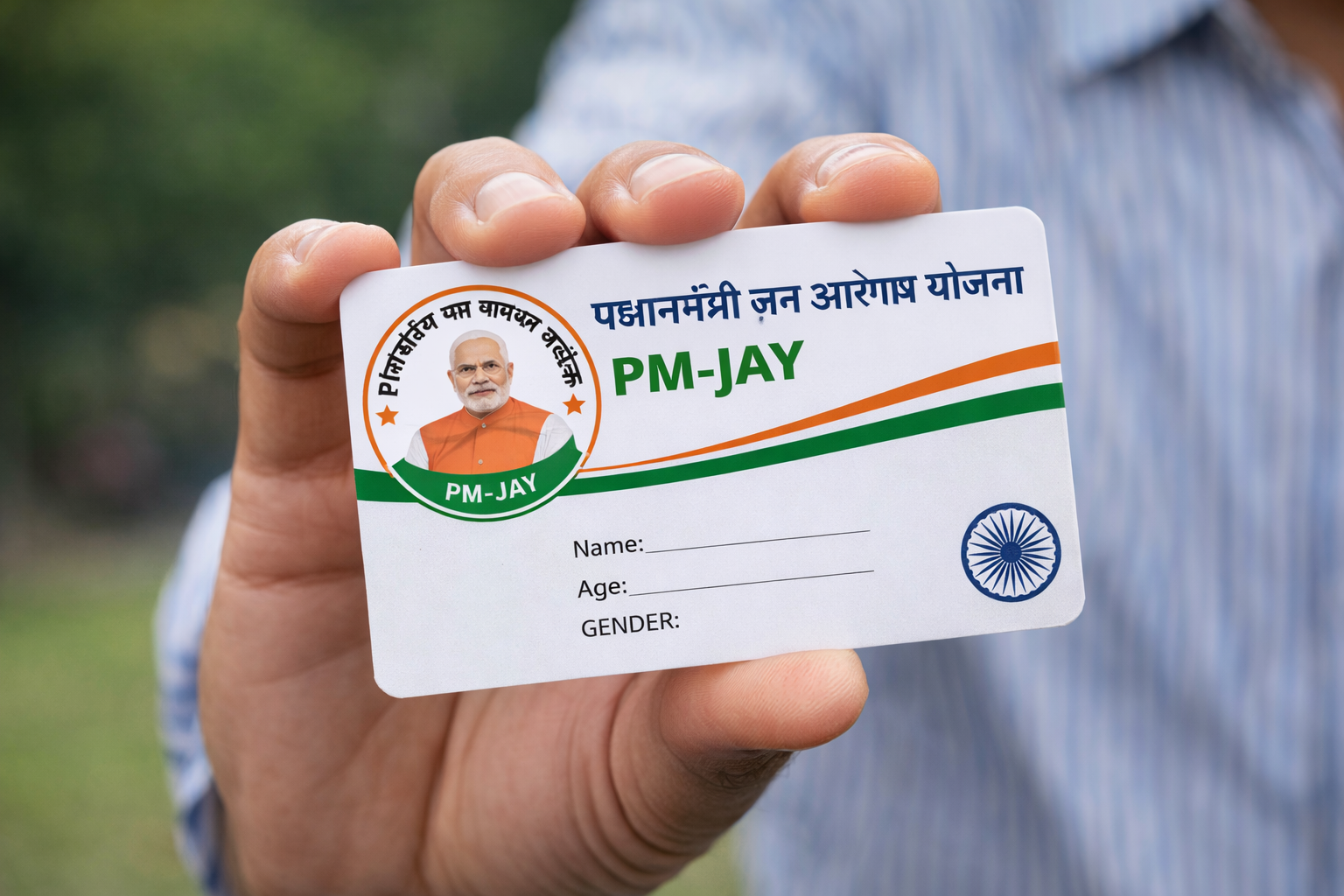
Government health cards are honestly a big relief for many families. When medical bills are rising every year, these schemes help people get treatment without worrying too much about money.
But at the same time, many people still face problems while using these cards — not because the card is useless, but because small mistakes create big trouble. Some people get their claim rejected, some have to pay extra, and some end up running from one counter to another in the hospital.
So if you or your family is planning to use a government health card anytime soon, read this once. It will save you a lot of stress later.
1) Not Confirming If the Hospital Is Actually Approved
This is the biggest mistake.
Many people assume that if a hospital is big, then the government card will work there. But that’s not always true. Every scheme has a list of empanelled hospitals, and only those hospitals can accept your card.
So before you go, make sure the hospital is listed as a Government Card Hospital under your scheme.
Also, one more thing: sometimes the hospital is empanelled, but a specific department or treatment is not covered. So always confirm that too.
2) Going Without Proper Documents (And Then Panicking at the Helpdesk)
This happens a lot.
People carry only the health card and then the hospital asks for Aadhaar, ID proof, old reports, etc. And then the patient’s family gets irritated, because now someone has to run back home or search for documents on the phone.
To avoid that, keep these ready:
- Health card print / e-card
- Aadhaar card (or any ID)
- Address proof (if required)
- Mobile number linked with the card
- Old prescriptions, test reports, discharge summary (if any)
In most cases, if your documents are incomplete, even a Government Card Hospital cannot start your approval process quickly.
3) Starting the Process Too Late (Especially for Planned Surgeries)
If you’re going for a planned surgery — like gallbladder, cataract, hernia, knee replacement, or even some heart procedures — don’t wait for the last moment.
A lot of government schemes require “pre-authorization” before admission. That means the hospital needs to upload your documents, diagnosis, and estimated treatment package for approval.
If you start the process one day before surgery, you may face:
- admission delays
- cancellation of surgery date
- repeated hospital visits
- mental stress
The best way is simple: contact the Government Card Hospital at least 5–7 days before admission.
4) Assuming Everything Will Be 100% Free
This is where most people feel cheated.
Let’s be clear: government health cards help a lot, but they usually work under package rules. That means many things are covered, but not everything.
Usually covered:
- bed charges
- doctor fees
- surgery charges
- standard medicines during admission
- basic tests during stay
But sometimes not fully covered:
- certain implants
- special branded medicines
- extra tests outside the package
- non-medical items
So don’t hesitate to ask the hospital:
“What exactly is included in my package?”
A good hospital will explain it properly.
5) Not Understanding “Package” Rules (And Getting Shocked at Discharge)
This is a very common issue.
Government schemes are not like a blank cheque. They work on fixed packages. So for each treatment, there is a fixed approved amount.
Many people don’t ask basic things like:
- Is ICU included?
- How many days are covered?
- Is follow-up included?
- Are medicines after discharge covered?
If you understand package details early, you won’t face surprises later.
6) Not Checking If the Card Is Active or Renewed
Many people only realize their card is expired when they are already at the hospital.
Some schemes need:
- yearly renewal
- income proof update
- biometric verification
- family details update
If your card is inactive, even the best hospital can’t process it. And in emergencies, that becomes a serious problem.
So it’s better to check your card status once every few months.
7) Not Updating Family Member Details
This is a small mistake but causes big issues.
Example:
Your child is born, but you never added the child’s name to the card.
Or your spouse’s details are wrong.
Or Aadhaar is not linked.
Then, when you reach the hospital, they say:
“This person is not included in the scheme list.”
And then your claim gets stuck.
Before visiting a Government Card Hospital, always make sure your family list is correct.
8) Going Without Reports or a Proper Diagnosis
Many people go directly to the hospital expecting instant admission.
But most government schemes require:
- diagnosis proof
- doctor recommendation
- reports like blood tests, ECG, X-ray, ultrasound, etc.
If you don’t have any reports, the hospital will first ask you to do tests. That delays approval.
Even if you don’t have all reports, at least carry:
- your latest prescription
- any old test reports
9) Choosing a Hospital Only Because It Accepts the Card
This is a mistake people make when they are desperate.
Yes, cashless treatment matters. But doctor experience, emergency support, and facilities matter too.
Before choosing a hospital, check:
- doctor availability
- emergency services
- ICU and lab facility
- hygiene and patient reviews
In Vadodara, many families search for the Best Hospital in Vadodara not just for affordability, but for safe treatment and good doctors.
10) Not Using the Hospital’s Scheme Desk Properly
Most people don’t realize this, but many hospitals have a separate helpdesk for government schemes.
That desk can guide you properly about:
- approval steps
- document requirements
- package coverage
- discharge process
Instead of guessing or arguing at the billing counter, always talk to the scheme desk early.
Final Thoughts
Government health cards are a strong support system, but only if you use them smartly.
Most problems happen due to small mistakes like missing documents, choosing the wrong hospital, misunderstanding package limits, or not renewing the card.
If you plan early, ask questions clearly, and choose the right Government Card Hospital, you can get smooth, cashless treatment without unnecessary stress.
