

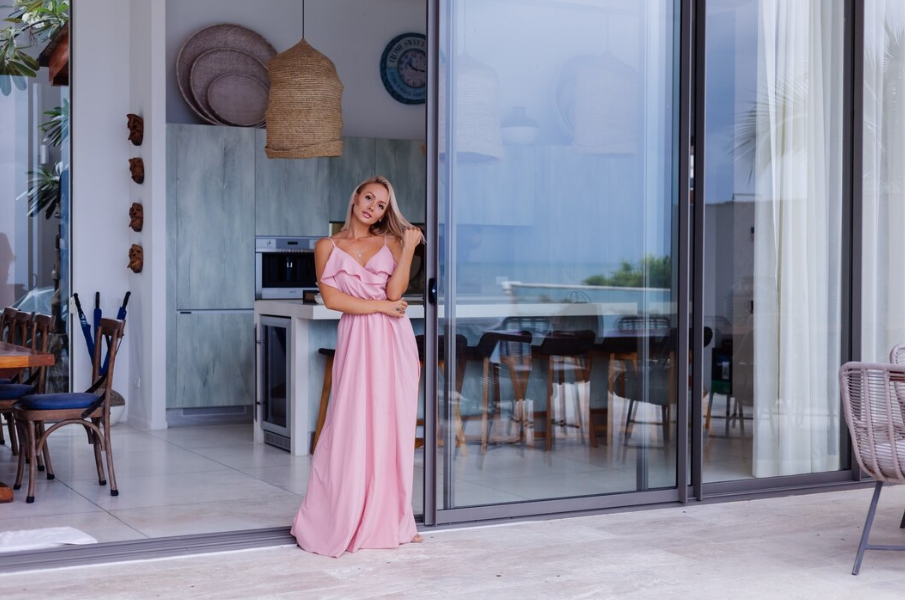
Modern workplaces seek a balance between openness and control. Conference rooms shape how teams think, speak, and decide. The design of these spaces guides focus, comfort, and daily movement. Sliding doors for offices bring a smart way to shape meeting areas without adding clutter. They clear pathways, guide flow, and settle the room’s mood. As offices grow and shift, sliding doors answer the need for spaces that feel open yet clear, helping meetings stay steady, focused, and well-timed.
Space That Works Smarter
Conference rooms need clear paths and open views to support comfort. Sliding doors glide along tracks and, in doing so, free valuable floor space. As a result, chairs, tables, and screens sit without limits or awkward gaps. Teams gain freedom to shape rooms around each meeting while keeping layouts flexible.
- Save space without swings.
- Keep walkways clear
- Fit small and large rooms.
While space shapes comfort, these doors help meetings run with ease and consistency.
Better Room Planning
Designers plan rooms with care and purpose. Sliding panels remove the need for clearance space and, therefore, allow better use of every corner. Tables sit closer to walls, while screens mount exactly where teams need them. In turn, each room gains function without waste.
Smooth Traffic Flow
People enter and exit rooms often during the day. Sliding doors guide movement in a straight line and, as a result, prevent crowding at entrances. Teams arrive on time and, likewise, leave without delay or confusion.
Light That Lifts Focus
Natural light fuels clear thinking and steady focus. Glass panels invite daylight while still marking a room’s edge, which helps teams feel alert yet private. Light spreads across tables and walls and, in turn, supports long sessions without strain.
- Allow daylight to flow.
- Reduce harsh shadows
- Support a calm mood
An aluminium glass sliding door frames light with strength and balance, so rooms feel bright, secure, and welcoming.
Healthier Work Settings
Daylight supports mood and energy throughout the day. Workers feel less strain during meetings and, as a result, stay engaged longer. Eyes rest with softer light, while minds remain sharp during extended discussions.
Visual Openness
Glass keeps spaces linked and connected. Teams sense the wider office pulse while meeting and, therefore, feel part of a shared goal. This visual link builds trust and openness across departments.
Quiet Without Isolation
Meetings need calm, yet offices thrive on connection. Sliding doors balance both needs by sealing sound while keeping a visual link. Teams speak freely without outside noise and, at the same time, avoid feeling cut off.
- Lower noise spill
- Hold privacy during talks.
- Keep teams connected
While walls block views, sliding panels keep the office alive and aware.
Focused Discussion
Sound control shapes productive meetings. Sliding doors for office conference rooms systems hold voices inside and, therefore, protect ideas and plans. Teams stay focused without interruption.
Respect for Nearby Teams
Noise spreads fast in open offices. Sliding doors limit this spread and, as a result, nearby teams work without break or stress. Balance across zones stays intact.
Style That Speaks Quality
Design sends a message before words do. Clean lines and smooth panels signal care and purpose, which helps visitors trust the space. Staff also feel pride in their workplace and, in turn, treat it with respect.
- Match modern interiors
- Add a sharp, clean look.
- Age well with use
Style shapes first views, so these doors help offices stand out with confidence.
A Modern Identity
Offices reflect values through design. Sliding doors show clarity and order and, therefore, suggest progress and care. This identity supports trust from clients and teams alike.
Timeless Appeal
Simple forms resist trends over time. Sliding doors keep their look across years and, as a result, protect design value without frequent updates.
Easy Use for Busy Teams
Daily use demands ease and consistency. Aluminium glass sliding door moves with a simple pull, so no effort slows the day or breaks focus. Teams stay centred on work rather than hardware.
- Simple open and close action
- Fewer moving parts
- Lower wear over time
Even though work moves fast, doors should keep pace and flow.
Inclusive Design
Ease matters for all users. Sliding doors suit people of all strengths and, therefore, support comfort and fairness across teams. Access stays equal for everyone.
Reduced Disruption
Quick movement avoids noise and delay. Meetings start on time and, as a result, flow stays smooth across packed schedules.
Built for Modern Meetings
While rooms need flexible tools that adapt with ease. Sliding doors for office conference rooms support screens, calls, and group talks without fuss. They adapt as teams change and, therefore, remain useful over time.
- Support flexible layouts
- Suit hybrid meetings
- Keep rooms versatile
Sliding doors serve both present and future needs with balance.
Hybrid Work Support
Meetings now mix in-room and remote teams. Sliding doors allow quick room changes and, in turn, support camera and screen placement with ease. Teams adjust space without delay.
Scalable Design
As teams grow, rooms change shape. Sliding doors support this change and, therefore, reduce the need for rebuilds. Offices save time and effort.
Safety and Control
Offices value safety and clear control. Sliding doors offer steady movement through strong tracks and frames, which helps them hold firm during busy days.
- Stable movement
- Clear sightlines
- Strong structure
This control supports peace of mind across shared spaces.
Clear Visibility
Glass panels show who enters and exits and, as a result, help staff feel secure. This visibility also supports visitor guidance.
Reliable Operation
Strong systems resist faults over time. Doors stay true with use and, therefore, earn trust in shared rooms.
Cleaner and More Orderly Spaces
Clean spaces support clear thought and steady focus. Sliding doors limit dust spread and, in turn, keep rooms tidy and calm.
- Reduce dirt flow
- Support easy cleaning
- Keep rooms neat
Order shapes focus, so these doors support better work.
Simple Maintenance
Smooth surfaces clean with ease, while tracks stay clear with routine care. This simplicity saves time and effort.
Long-Term Neatness
Fewer hinges mean fewer gaps and, therefore, fewer dust traps. Rooms keep a clean edge across the years.
Conclusion
Conference rooms show how an office values focus, teamwork, and clear thinking. Each design choice shapes how people share ideas and work together. On the third line, sliding doors for offices blend space, light, and quiet into one clean solution. They help teams move with ease while maintaining calm during meetings. Over time, these doors keep serving new needs without losing purpose. By choosing sliding doors, offices gain comfort, strength, and lasting use, shaping meeting spaces that support today’s work and future goals.
FAQ
Q 1: Why do conference rooms need special door designs?
Conference rooms host talks that need focus and comfort. A well-planned door guides movement, tames noise, and sets a calm mood, which helps meetings flow without breaks.
Q 2: Do sliding doors suit small office spaces?
Yes, sliding doors suit small spaces well. They glide along a track instead of swinging out, which saves floor space and keeps room layouts neat and flexible.
Q 3: How do glass sliding doors affect privacy?
Glass sliding doors share light while guarding quiet. They block sound and keep visual links, which helps teams feel connected without losing focus during meetings.
Q 4: Are sliding doors easy to maintain in busy offices?
Sliding doors need simple care. Smooth panels wipe clean with ease, and clear tracks keep movement steady, which helps doors perform well over time.
