

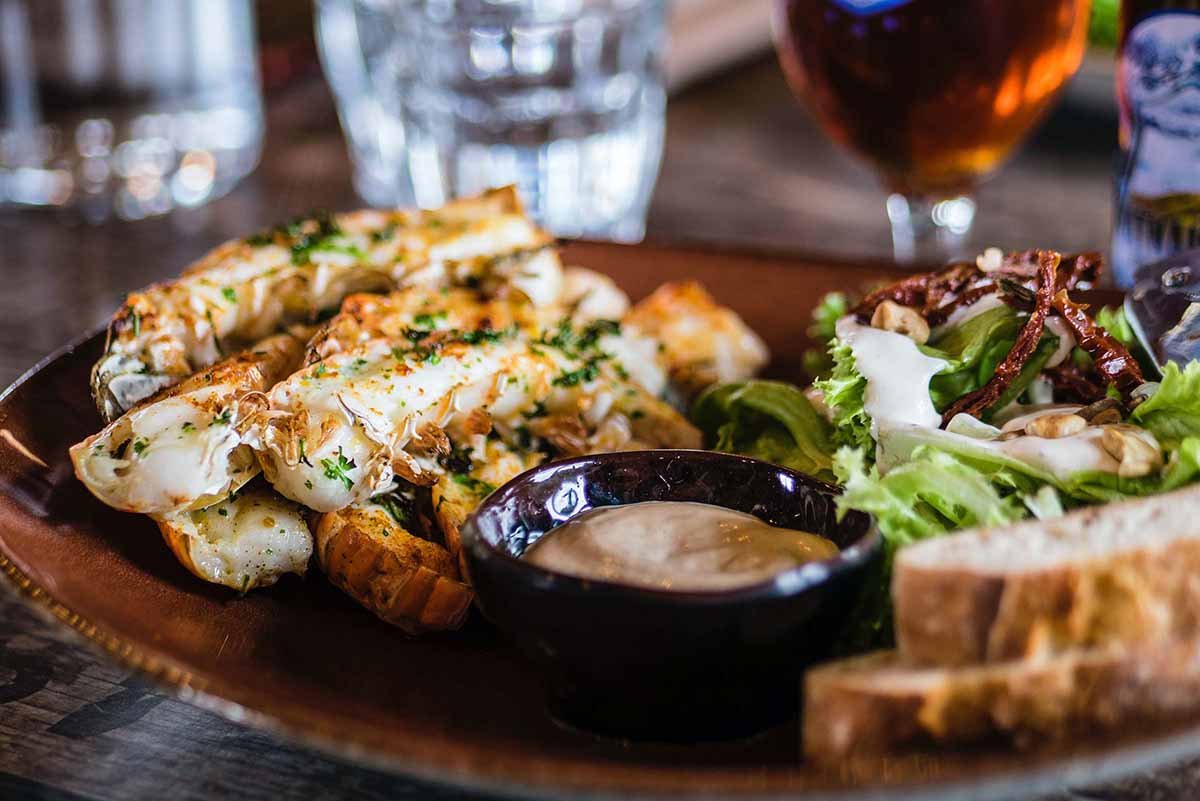
Walking into an Indian restaurant in Amsterdam and getting genuinely excited about what you’re about to eat is rare. Most places serve adequate food. It fills your stomach. But it doesn’t make you remember the meal weeks later. Rasoi Restaurant is different. This isn’t about having fancy plating or expensive ingredients just for show. It’s about a kitchen that understands Indian food deeply and refuses to simplify it for customers who don’t know better. The restaurant is on Maasstraat in Amsterdam-Zuid, far enough from the tourist center that it attracts people who want good food rather than just an experience to photograph. When you eat here, you taste immediately that someone who knows what they’re doing prepared your meal. That clarity changes everything about how you experience the food.
Most restaurants claim authenticity. Rasoi demonstrates it through what arrives on your plate. The flavors taste intentional rather than accidental. The spices work together rather than compete. The portions are generous but balanced. These details separate restaurants that genuinely care from ones that are just following a formula.
Understanding What Authenticity Actually Means When You Order
Authenticity is used as marketing language. Most restaurants use it without delivering on the promise. At Rasoi, authenticity means something concrete and measurable. The spices aren’t pre made blends that have been sitting in storage. They’re roasted and ground in house regularly. The recipes come from specific regions of India rather than from someone’s imagination. The meat is halal and sourced from suppliers that meet the required standards.
When you understand what goes into authentic preparation, you begin to notice the difference in the final product. A butter chicken here tastes nothing like the sweet, heavy sauce versions you get at casual restaurants. The spices create depth. The cream adds richness without overwhelming. The chicken itself is cooked properly rather than sitting in liquid getting stringy. That difference matters because it’s the foundation of why the restaurant is worth visiting.
The kitchen doesn’t try to make Indian food more acceptable to western customers. They’re not adjusting spice levels down or removing ingredients people might find unfamiliar. They’re making Indian food the way it’s supposed to taste. If you’re not ready for that, other restaurants exist. But if you want the real thing, this is where you eat.
How the Kitchen Approaches Seasoning and Flavor Building
Most restaurants think spices are just heat. A cook at Rasoi understands that spices create flavor. Each one tastes different. Cumin isn’t the same as coriander. Turmeric tastes different from fenugreek. When you layer them carefully, they create complexity. That complexity is what makes Indian food interesting.
The chefs here consider when to add spices during cooking. A spice added at the beginning tastes different from one added at the end. A spice that’s been roasted tastes different from one that hasn’t. These decisions separate restaurants that care about food from ones that are just going through motions. You taste that difference in every bite.
The Halal Certification and Why It Matters Beyond Just Religion
Rasoi serves 100 percent halal meat. That’s not a checkbox. It’s part of their commitment to standards. Halal certification means the meat came through a specific process. It means the animal was treated with respect. It means there are standards being maintained.
For many customers, halal means their dietary requirements are met. For others, it’s just reassurance that the meat meets quality standards. Either way, it signals that the restaurant cares about the provenance of its ingredients. They’re not just grabbing whatever’s cheapest and available. They’re working with suppliers who share their values about quality.
Accommodating Dietary Needs Without Treating People Like Problems
The restaurant takes dietary restrictions seriously. Vegetarian, vegan, gluten free. All of it gets proper attention. This isn’t just removing ingredients from regular dishes. The kitchen has specialists who prepare food for people with diverse needs.
The vegetarian menu is about half the full offerings. The vegan options actually taste like real food, not like someone is making do without meat. The gluten free accommodations are handled by people who understand what that actually means rather than just removing something and hoping for the best.
When you call ahead and mention dietary restrictions, the staff takes notes. They tell the kitchen. The chef focuses on your meal rather than preparing a standard plate. That level of attention changes the experience. You don’t feel like your asking for a favor. Your getting a meal designed for what you actually need to eat.
The Ordering Experience and Learning How to Ask For What You Want
On your first visit to Rasoi, you might not know what to order. The menu has options you’ve probably never seen before. Dishes from different regions of India. Preparations you might not be familiar with. That unfamiliarity is actually good because it means your about to discover something new.
The staff here is trained to help with that discovery. They know the menu deeply. They understand which dishes are milder and which have heat. They know which combinations work well together. When you ask them questions, you get real answers rather than guesses. Talk to them about what you like. Tell them how much spice you want. Tell them if there’s anything you specifically don’t eat. They’ll make recommendations that actually fit your needs rather than just pushing popular items.
The Menu Changes With Seasons and Reflects What’s Available
Authentic Indian cooking responds to seasons. What grows in winter is different from what grows in summer. The menu reflects that reality. In summer you might find different vegetables than in winter. The kitchen uses what’s available seasonally rather than forcing the same menu year round.
That approach costs more. It requires flexibility. The kitchen needs to continually adjust and consider its actions rather than simply repeating the same prep work. But it produces food that tastes better because ingredients are fresher and at their peak, rather than shipped from elsewhere out of season.
Return Customers and Why People Keep Coming Back
The best indicator that a restaurant is actually good is whether people come back repeatedly. Rasoi has customers who eat here multiple times a month. Locals who bring their friends. People who take visitors here when they want to show them what good Indian food tastes like. That loyalty doesn’t happen by accident.
People return because the quality stays consistent. Every meal justifies the price and the effort to get there. The service remains attentive and knowledgeable. The atmosphere stays warm. You’re not gambling on whether tonight will be good. You know it will be. That certainty is worth traveling for.
The restaurant also keeps people curious because the menu evolves. Seasonal dishes come and go. The kitchen experiments with new preparations. Regular customers find something different each time they return, keeping the experience from getting stale.
Getting a Table and Planning Your Visit Properly
Rasoi requires reservations. This isn’t negotiable during peak times. Call 06 820 62 867 or email info@rasoiamsterdam.nl. Tell them when you want to come and how many people. Be specific about timing. The restaurant is open Tuesday through Sunday. Closed Mondays.
Dinner runs until 10 pm. Lunch is available 12 to 5 pm Tuesday through Sunday. The lunch menu is almost completely vegetarian. Dinner has the full range of offerings.
When you book, mention if it’s for a special occasion or if you have dietary restrictions. That information helps the staff prepare. Sometimes knowing it’s a celebration makes them go the extra mile. Sometimes knowing dietary needs means preparing the kitchen so your meal comes out right.
The location is Maasstraat 10 in Amsterdam-Zuid. It’s accessible via multiple tram lines and is roughly a fifteen-minute ride from Central Station by public transport. Close enough to be convenient, far enough that you’ve left the immediate tourist zone.
