

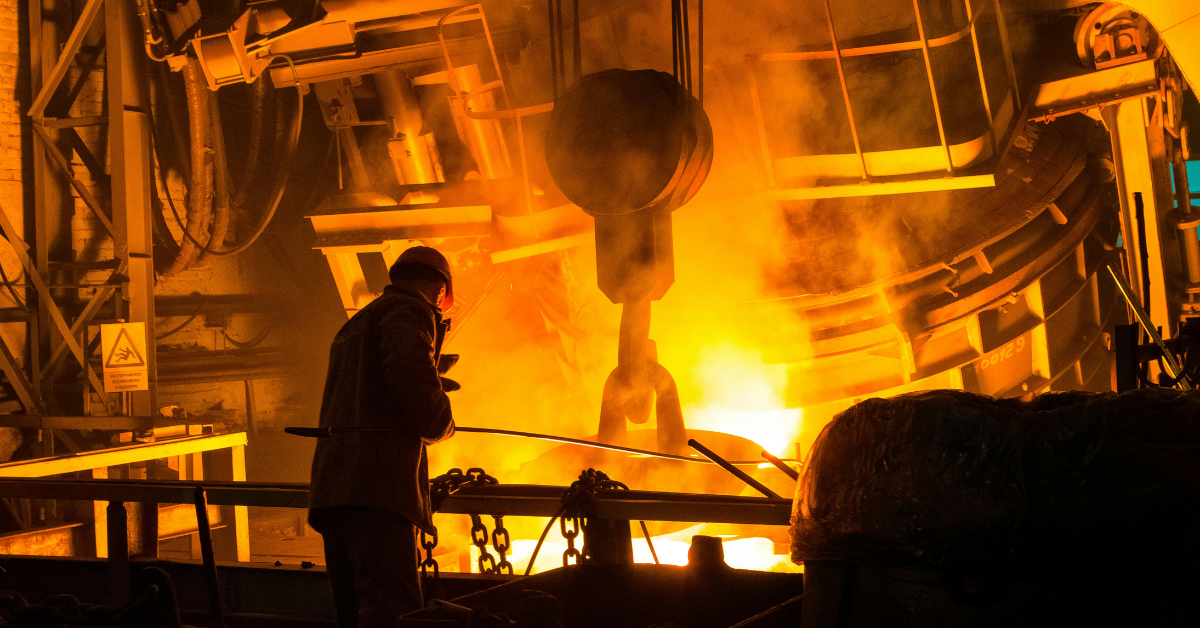
Industrial heat treatment plays a critical role in shaping the mechanical strength, durability, and performance of metal components. Among the many furnace systems used in heavy engineering and metallurgical industries, the Bogie Hearth Furnace stands out for its ability to handle large, heavy, and complex workpieces with precision and uniform heating.
This article provides an in-depth look at the bogie hearth furnace, including its design, working principle, advantages, applications, and key considerations for industries planning to invest in one.
What Is a Bogie Hearth Furnace?
A Bogie Hearth Furnace is a type of industrial heat treatment furnace designed specifically for heating large and heavy components. The defining feature of this furnace is its movable hearth or “bogie” — a rail-mounted platform that carries the load into and out of the furnace chamber.
Unlike fixed-hearth furnaces, where materials are manually or mechanically placed inside, bogie hearth furnaces allow heavy components such as castings, forgings, fabricated structures, and machine parts to be transported smoothly on a movable carriage. This reduces manual handling, enhances safety, and increases operational efficiency.
These furnaces are widely used for heat treatment processes such as:
- Annealing
- Normalizing
- Stress relieving
- Hardening
- Tempering
Key Components of a Bogie Hearth Furnace
Understanding the structure of a bogie hearth furnace helps in evaluating its industrial suitability. The primary components include:
1. Furnace Chamber
The insulated chamber is lined with high-grade refractory materials to withstand high temperatures and minimize heat loss.
2. Movable Bogie (Hearth Car)
The bogie is mounted on rails and driven by a motorized mechanism. It supports heavy loads and ensures smooth entry and exit of components.
3. Heating System
Heating may be achieved using gas burners, oil-fired systems, or electric heating elements depending on operational requirements. Proper burner placement ensures uniform temperature distribution.
4. Temperature Control System
Modern furnaces are equipped with digital controllers and thermocouples that maintain precise heating cycles and process control.
5. Door Mechanism
Heavy-duty insulated doors prevent heat leakage and maintain thermal efficiency during operation.
Working Principle
The operation of a bogie hearth furnace follows a structured heat treatment cycle:
- The workpiece is placed on the bogie outside the furnace.
- The motorized bogie moves along rails and positions the load inside the chamber.
- The furnace door closes to seal the chamber.
- Heating begins according to the programmed temperature profile.
- Once the cycle is complete, the bogie moves the component out for cooling or further processing.
The system ensures controlled heating and cooling, which is essential for achieving desired metallurgical properties.
Advantages of Bogie Hearth Furnaces
Bogie hearth furnaces are preferred in heavy industries for several reasons:
Uniform Heating
Strategically placed burners or heating elements ensure even heat distribution, reducing thermal stress.
Handling of Large Components
Ideal for oversized and heavy materials that cannot be processed in smaller chamber furnaces.
Improved Safety
Minimal manual handling reduces workplace hazards.
Energy Efficiency
Advanced insulation and heat recovery systems reduce fuel consumption.
Flexibility
Can be customized for different capacities, temperature ranges, and fuel types.
Industrial Applications
Bogie hearth furnaces are extensively used in industries where large metal components require heat treatment. Some major applications include:
Heavy Engineering
Used for stress relieving fabricated structures, machine frames, and industrial equipment.
Automotive Industry
Heat treatment of axles, shafts, gears, and heavy-duty parts.
Steel and Rolling Mills
Annealing and normalizing large steel castings and forged components.
Power Plants
Treatment of turbine casings and structural assemblies.
Oil & Gas Sector
Heat processing of pressure vessels and pipeline components.
Because of their adaptability and load-bearing capacity, these furnaces are critical in sectors demanding high structural integrity and material strength.
Design Considerations Before Installation
Before investing in a bogie hearth furnace, industries must evaluate several technical factors:
- Load Capacity: Maximum weight and size of components.
- Temperature Range: Required maximum operating temperature.
- Fuel Type: Gas, oil, or electric heating.
- Production Volume: Batch size and processing frequency.
- Automation Level: Manual, semi-automatic, or fully automated systems.
Proper planning ensures optimal performance and long-term cost savings.
Energy Efficiency and Sustainability
Modern manufacturing environments prioritize energy conservation and emission reduction. Bogie hearth furnaces can incorporate:
- High-efficiency industrial burners
- Waste heat recovery systems
- Advanced insulation materials
- Automated combustion control systems
According to global industrial energy research from organizations such as the International Energy Agency (IEA), improving thermal efficiency in industrial heating systems can significantly reduce fuel usage and carbon emissions. Integrating efficient combustion systems and optimized heat cycles contributes to sustainable manufacturing practices.
Maintenance and Operational Best Practices
To ensure long service life and consistent performance, regular maintenance is essential:
- Inspect refractory lining for cracks or damage.
- Check burner alignment and flame quality.
- Monitor temperature sensors and calibration.
- Maintain smooth rail and bogie movement.
- Ensure door seals are intact to prevent heat loss.
Preventive maintenance reduces downtime and enhances operational reliability.
Comparing Bogie Hearth Furnace with Other Furnaces
| Feature | Bogie Hearth Furnace | Pit Furnace | Batch Furnace |
|---|---|---|---|
| Load Size | Large & heavy | Medium | Small to medium |
| Handling | Rail-mounted bogie | Vertical loading | Manual/Conveyor |
| Applications | Heavy fabrication | Shafts & cylindrical parts | General heat treatment |
| Flexibility | Highly customizable | Limited | Moderate |
This comparison highlights why bogie hearth furnaces are often selected for heavy-duty industrial operations.
Emerging Trends in Furnace Technology
Technological innovation continues to shape furnace systems:
- IoT-based temperature monitoring
- Remote diagnostics and predictive maintenance
- Improved burner designs for lower emissions
- Advanced refractory materials for better insulation
Industries adopting these innovations can improve productivity and reduce operational costs.
Conclusion
The Bogie Hearth Furnace is a vital solution for industries requiring reliable and uniform heat treatment of large, heavy components. Its movable hearth design, energy efficiency, operational safety, and adaptability make it an indispensable asset in heavy engineering, automotive, steel, and infrastructure sectors.
By investing in a well-designed bogie hearth furnace and following proper maintenance practices, industries can achieve consistent metallurgical quality, reduced fuel consumption, and enhanced production efficiency. As manufacturing standards continue to evolve, advanced furnace systems will remain at the forefront of industrial growth and sustainability.
