

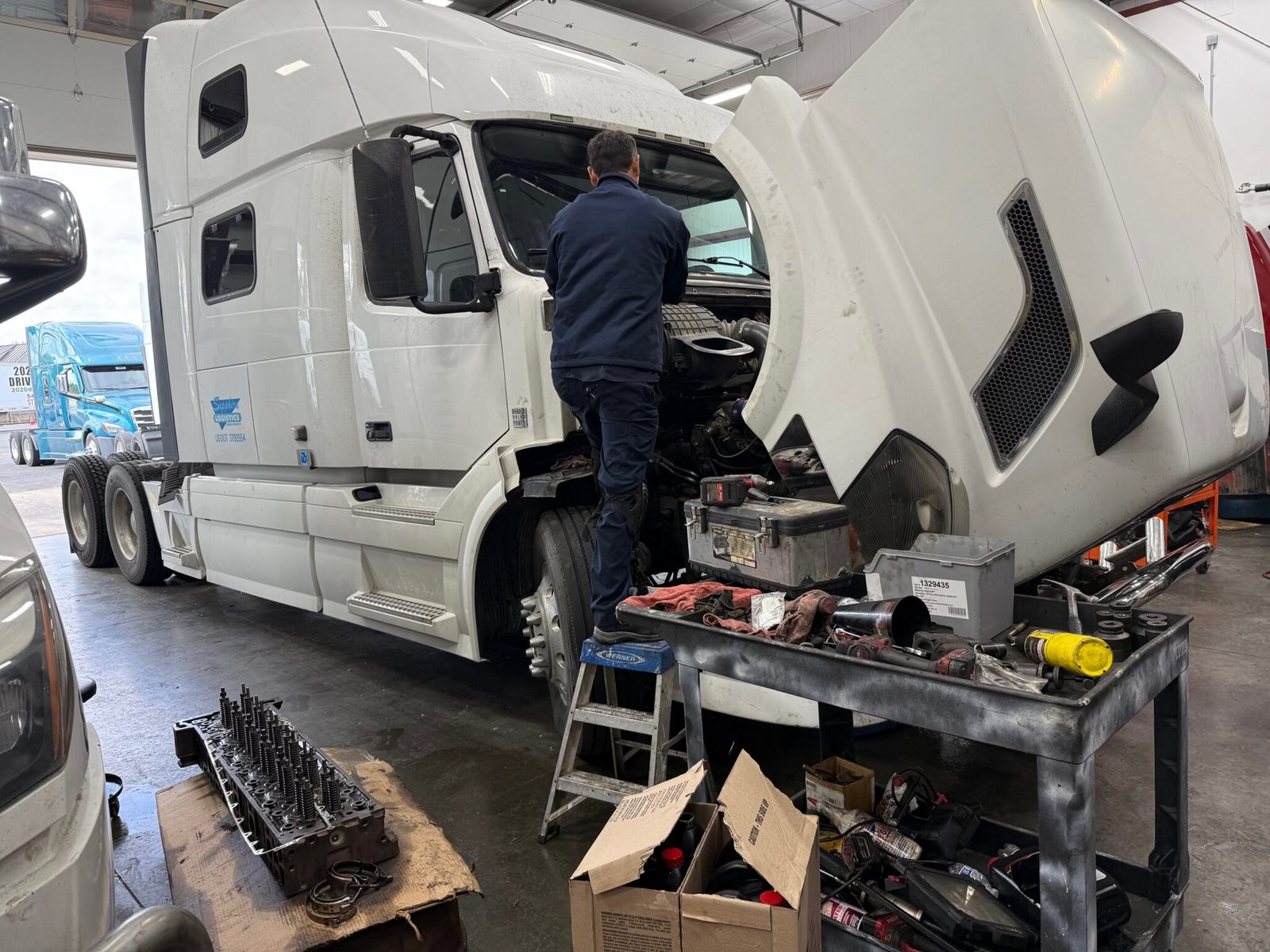
Regular fleet inspections are one of the most effective tools for protecting drivers and maximizing the lifespan of commercial trucks and trailers. Yet inspections are often treated as a compliance requirement rather than a strategic advantage. When inspections are consistent and thorough, they reduce accidents, prevent breakdowns, and lower long term maintenance costs. At 2020 Truck and Trailer Repair, we see how inspection driven maintenance creates safer fleets and more reliable equipment over time.
Why Fleet Inspections Matter Beyond Compliance
Fleet inspections are commonly associated with avoiding violations, but their real value goes far beyond passing checks. Inspections identify wear, damage, and developing problems before they affect performance or safety.
Small issues tend to worsen under heavy loads and long mileage. A loose component, fluid leak, or worn tire can quickly escalate into a serious failure. Inspections interrupt this progression, allowing fleets to fix problems early and avoid emergency situations.
Improving Driver Safety Through Early Detection
Driver safety depends on predictable vehicle performance. Brakes, steering, suspension, tires, and lighting all play direct roles in keeping drivers safe on the road.
Regular inspections catch early warning signs such as uneven braking, tire wear, air leaks, or handling changes. Addressing these concerns quickly reduces the risk of accidents caused by mechanical failure.
Drivers also benefit psychologically. Operating well maintained equipment builds confidence and reduces stress. When drivers trust their vehicles, they can focus on traffic, weather, and delivery responsibilities rather than worrying about breakdowns.
Reducing Roadside Breakdowns and Exposure
Breakdowns expose drivers to traffic hazards and unpredictable conditions. Waiting roadside increases the risk of secondary incidents, especially on busy highways or at night.
Fleet inspections reduce these risks by minimizing unexpected failures. When potential issues are identified during planned inspections, repairs can be scheduled safely at a shop or yard.
Even when emergencies occur, fleets that rely on inspections experience fewer breakdowns and recover faster. Access to support such as a 24 hr tire service becomes a backup instead of a routine necessity.
Extending Equipment Lifespan Through Preventive Care
Equipment lifespan is directly tied to how well it is maintained. Components that are inspected regularly last longer because problems are corrected before damage spreads.
For example, routine inspections identify fluid leaks that would otherwise lead to overheating or internal damage. Scheduling services like a semi truck oil change on time reduces friction and wear, protecting engine components over the long term.
Similarly, catching suspension or alignment issues early prevents accelerated wear on tires, bearings, and steering systems. Each inspection preserves value by reducing cumulative damage.
Protecting Tires and Reducing Wear
Tires represent a significant operating cost for fleets. Inspections help maximize tire life by identifying underinflation, uneven wear, and alignment issues early.
Worn tires do more than increase replacement frequency. They reduce traction, increase stopping distance, and place additional strain on suspension and braking systems.
Routine tire checks during inspections reduce blowouts and improve stability. While emergency services like 24 hr tire service are valuable, consistent inspections significantly reduce how often emergencies occur.
Lowering Long Term Repair Costs
Reactive maintenance is expensive. Emergency labor, expedited parts, towing, and secondary damage drive repair costs much higher than planned service.
Fleet inspections shift repairs into a controlled environment where costs are predictable. Fixing a worn hose or loose fitting early costs far less than repairing damage caused by system failure.
Over time, inspection driven maintenance reduces overall spending even though maintenance activity appears more frequent. Preventive care is always cheaper than emergency response.
Supporting Compliance and Reducing Violations
Well documented inspections support compliance efforts. Maintenance records demonstrate that fleets take safety seriously and address defects proactively.
During inspections or audits, organized records reduce scrutiny and help inspections proceed smoothly. Vehicles that are regularly inspected are less likely to be placed out of service unexpectedly.
Compliance is not only about avoiding fines. It protects schedules, customer commitments, and safety ratings that influence long term business opportunities.
Creating Predictable Maintenance Schedules
Fleet inspections provide valuable data. Patterns emerge showing which components wear fastest and how different routes or loads affect equipment.
This data allows managers to refine maintenance schedules, order parts proactively, and budget accurately. Predictable schedules reduce surprises and improve operational control.
Instead of reacting to failures, fleets operate with confidence knowing when service is needed.
Improving Driver Involvement and Reporting
Regular inspections encourage driver participation. Drivers become more familiar with equipment condition and are more likely to report small issues early.
When drivers see that reported issues are addressed promptly, trust builds between drivers and maintenance teams. This cooperation strengthens safety culture and prevents minor issues from being ignored.
Driver input combined with professional inspections creates a layered approach that significantly improves outcomes.
Enhancing Resale and Asset Value
Equipment value depends heavily on condition and maintenance history. Buyers are willing to pay more for vehicles with documented inspection routines.
Consistent inspections protect resale value by preventing excessive wear and preserving structural integrity. This return on investment becomes especially important when fleets rotate equipment.
Inspections as a Strategic Advantage
Fleet inspections should be viewed as a competitive advantage rather than an obligation. Safer drivers, longer lasting equipment, reduced downtime, and lower repair costs strengthen overall performance.
At 2020 Truck and Trailer Repair, inspection driven maintenance helps fleets shift from reactive repairs to proactive control.
Conclusion
Regular fleet inspections play a critical role in improving driver safety and extending equipment lifespan. Early detection of wear reduces accidents, minimizes roadside breakdowns, and lowers long term repair costs. Inspections support essential services like timely semi truck oil change intervals and reduce dependence on emergency support such as 24 hr tire service. They also improve compliance, resale value, and operational predictability. With consistent inspections and professional support from 2020 Truck and Trailer Repair, fleets operate safer, smarter, and more efficiently mile after mile.
