

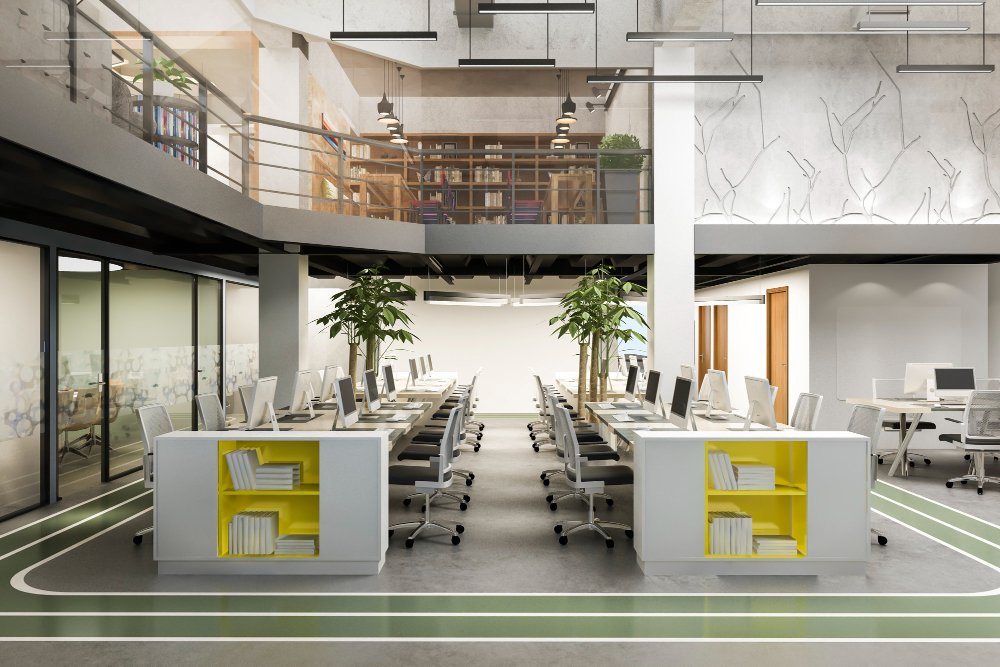
The workplace is evolving faster than ever before. As hybrid work, digital transformation, and employee wellness become top priorities, businesses are rethinking how their offices function and feel. In 2026, corporate office interior design is no longer just about aesthetics — it’s about experience, productivity, sustainability, and innovation.
Companies are investing in strategic workspace planning, ergonomic furniture, acoustic solutions, biophilic elements, and smart office technology to create inspiring environments. Interestingly, several concepts borrowed from healthcare interior design — such as wellness-focused layouts and calming color psychology — are now influencing corporate spaces.
Let’s explore the top design trends that will dominate in 2026.
Flexible Hybrid Workspace Design Solutions for Modern Offices
Hybrid work is here to stay. Offices are shifting from fixed cubicles to flexible workstations, collaborative zones, and multi-purpose meeting areas.
In 2026, adaptive layouts will include:
- Modular furniture systems
- Movable partitions
- Hot-desking setups
- Touchdown collaboration hubs
- Quiet focus pods
Agile workspace planning ensures that square footage is used efficiently. Businesses are prioritizing open layouts combined with private acoustic booths to support both teamwork and deep focus.
Biophilic Design and Sustainable Office Interiors
Sustainability is no longer optional — it’s expected. Eco-friendly materials and energy-efficient solutions are defining the future of office interiors.
Key sustainable features include:
- Natural lighting optimization
- Indoor plants and green walls
- Recycled and low-VOC materials
- Energy-efficient LED lighting
- Smart HVAC systems
Biophilic design connects employees with nature, reducing stress and improving well-being. Large windows, organic textures, and earth-toned color palettes are becoming common elements in modern corporate spaces.
Smart Office Technology Integration and Digital Transformation
Technology-driven workplaces are shaping how teams collaborate.
In 2026, smart offices will include:
- IoT-enabled lighting systems
- Automated climate control
- Wireless charging desks
- Digital meeting room scheduling panels
- AI-powered space utilization analytics
Smart building automation improves energy efficiency while enhancing employee comfort. Integrated tech solutions also support seamless remote and in-office collaboration.
Employee Wellness and Ergonomic Workplace Design
Wellness-centered office design is becoming a priority. Companies now understand that physical comfort directly impacts performance.
Trending features include:
- Sit-stand desks
- Ergonomic seating
- Soundproof meeting rooms
- Meditation or relaxation areas
- Wellness rooms
Inspired by calming design approaches used in medical facilities, wellness-driven planning creates healthier work environments. Natural materials, soft lighting, and acoustic balance help reduce stress and burnout.
Branding Through Interior Identity and Workplace Aesthetics
Offices are becoming physical representations of brand identity. From reception areas to executive suites, interior themes reflect company culture.
Elements that enhance brand presence:
- Custom wall graphics
- Branded color schemes
- Interactive digital displays
- Statement lighting fixtures
- Artistic installations
When clients walk into an office, the design should communicate professionalism, innovation, and credibility.
Collaborative Zones and Social Spaces
Modern workplaces prioritize connection. Informal lounge areas, café-style seating, and breakout zones encourage spontaneous collaboration.
Design strategies include:
- Comfortable seating clusters
- Writable walls
- Flexible meeting spaces
- Acoustic ceiling panels
- Soft furnishings for sound control
These collaborative environments foster creativity and teamwork.
Minimalist and Clutter-Free Layout Concepts
Minimalism remains strong in 2026. Clean lines, neutral tones, and functional furniture create visually appealing and distraction-free spaces.
Benefits of minimalist office design:
- Improved focus
- Better space utilization
- Easier maintenance
- Professional ambiance
Smart storage solutions and concealed wiring systems keep workspaces organized.
Conclusion
The future of workplace design is strategic, flexible, and wellness-driven. Businesses that embrace sustainable materials, smart technology, ergonomic furniture, and branding integration will stand out in 2026.
By combining innovation, functionality, and human-centered design, companies can create inspiring environments that support productivity, collaboration, and growth.
