

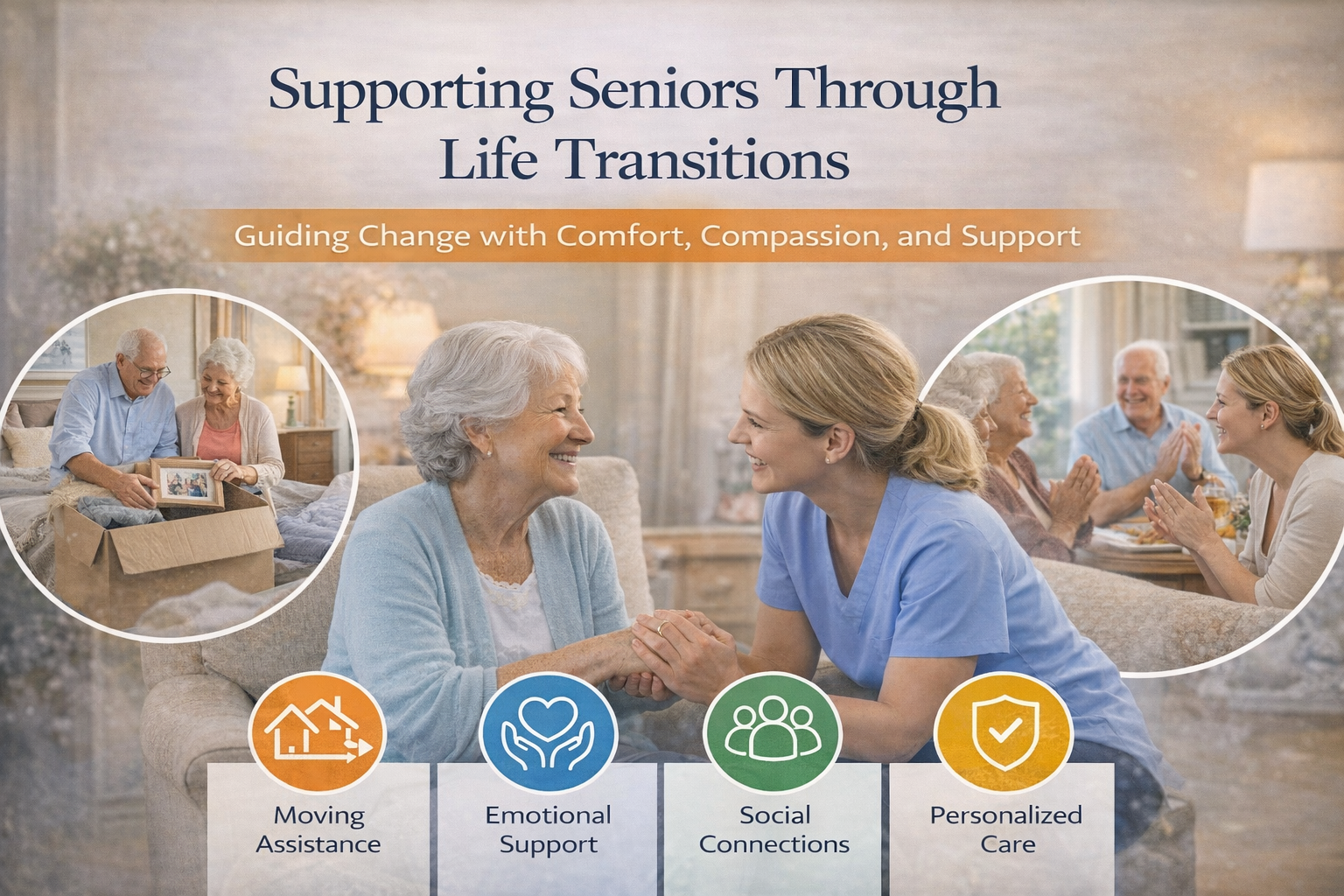
Life transitions are an inevitable part of aging. Seniors often face changes such as moving from a longtime home, adjusting to new health conditions, coping with loss, or navigating shifts in daily routines. Each transition can be emotionally and physically challenging. The uncertainty of change can lead to stress, anxiety, or even hesitation about trying new activities.
Assisted living communities are designed to address these challenges head-on. They combine structured support with opportunities for independence, giving seniors the tools and confidence to manage life changes effectively. By providing a safe, engaging, and caring environment, these communities make transitions less daunting while enhancing overall well-being.
Moving From Home to Assisted Living
One of the most common and emotionally significant transitions is moving from a private home to an assisted living community. Leaving behind familiar surroundings, cherished memories, and a sense of independence can feel overwhelming. Many seniors worry about whether they will feel “at home” in a new environment or if they will be able to maintain their routines and hobbies.
Assisted living communities ease this process by offering personalized support during the move. Staff often assist with unpacking, setting up apartments to reflect familiar layouts, and helping residents integrate personal belongings into their new spaces. These efforts ensure that the new living environment feels familiar and comfortable, reducing stress and creating a sense of continuity from one home to another.
Additionally, welcoming programs such as orientation sessions, meet-and-greet events, or buddy systems help new residents acclimate socially. Meeting peers, learning about daily schedules, and discovering shared interests fosters early connections, making the transition smoother and more enjoyable.
Adjusting to New Routines
Transitions often involve adopting new routines in daily life. Adjusting to set meal times, group activities, wellness programs, and social schedules can feel restrictive at first. However, independent and assisted living communities balance structure with flexibility, allowing seniors to maintain autonomy while benefiting from consistency.
Structured routines help seniors regain a sense of normalcy and predictability. Knowing when meals are served, activities are scheduled, or medical support is available reduces anxiety and promotes confidence. Residents can also choose which programs to participate in, giving them control over their day and encouraging independence.
For example, a resident who enjoys morning walks may pair it with a gentle group exercise session or join a hobby club afterward. This combination of self-directed activity and structured engagement reinforces daily habits while supporting mental, emotional, and physical well-being.
Health Changes and Ongoing Support
As seniors age, health needs may evolve, requiring additional support and monitoring. Chronic conditions, mobility limitations, or new medications can make daily life more challenging. Assisted living communities provide access to healthcare professionals, medication management, and regular wellness check-ins to ensure residents remain safe and healthy. https://atechvibe.com/
This ongoing support allows seniors to adapt to health changes without feeling dependent or overwhelmed. For instance, if a resident experiences reduced mobility, staff can recommend appropriate exercises, provide mobility aids, and adjust routines to maintain independence. Personalized care plans help residents achieve daily goals safely, reinforcing their confidence and self-reliance.
Emotional Support During Change
Life transitions can trigger complex emotions, including sadness, fear, and uncertainty. Assisted living emphasizes emotional support to help seniors navigate these feelings. Compassionate staff, counselors, and social workers are available to provide guidance and reassurance.
Peer support also plays a vital role. Residents often find comfort in sharing experiences with others facing similar transitions. Group discussions, social gatherings, or informal chats in communal spaces allow seniors to express themselves, process emotions, and feel understood. These emotional connections reduce stress and contribute to a sense of belonging within the community.
Social Opportunities That Encourage Belonging
Maintaining social engagement during transitions is essential for seniors’ mental and emotional health. Assisted living communities provide structured activities, hobby clubs, game nights, and group outings that encourage interaction and friendship. These social opportunities help residents build meaningful connections and prevent feelings of isolation or loneliness.
For example, a resident adjusting to life in a new community may join a gardening club or an art workshop. Over time, these activities foster friendships, create shared experiences, and provide emotional support. Having a network of peers not only strengthens social bonds but also enhances confidence in navigating other life changes.
Encouraging Independence While Providing Support
A key element of successful transitions is maintaining independence while having support available. Assisted living communities are designed to give residents autonomy in daily activities such as cooking, hobbies, and social choices, while providing help when needed.
This approach reduces anxiety about the unknown and allows seniors to adapt at their own pace. Feeling capable of making decisions and achieving small daily successes fosters confidence. Whether it’s preparing a simple meal, attending a wellness class, or managing personal care tasks, residents experience a balance of independence and security.
Cognitive and Mental Engagement
Transitions can sometimes impact cognitive confidence. Learning new routines or adapting to different surroundings challenges mental flexibility. Assisted living communities offer cognitive programs such as memory exercises, reading groups, or educational workshops to keep the mind active.
Engaging the brain through meaningful activities not only stimulates cognitive health but also boosts self-esteem. Residents gain a sense of accomplishment, mental sharpness, and confidence in their ability to adapt to change.
Family Involvement and Peace of Mind
Transitions affect both seniors and their families. Many family members worry about whether their loved ones will be happy, safe, and well-supported in a new living situation. Assisted living encourages family involvement through visits, joint activities, and transparent communication with staff.
Knowing that seniors have access to care, companionship, and resources provides families with reassurance. For seniors, seeing family support reinforces emotional well-being, strengthens bonds, and makes the transition feel less daunting.
Supporting Seniors Through Life Transitions
Assisted living at Alderman Oaks is designed to guide seniors through life transitions with confidence, dignity, and support. With personalized care, structured routines, social opportunities, wellness programs, and compassionate staff, residents are empowered to adapt smoothly to change while maintaining independence. Alderman Oaks creates an environment where every transition becomes an opportunity for growth, connection, and enhanced quality of life.
