

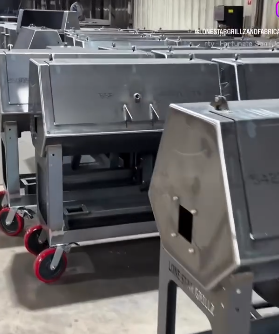
Barbecue people argue about everything. Wood. Temps. Rubs. Sauce. Charcoal vs logs. But lately, there’s one thing showing up in more backyards and cookoffs than before — the offset vertical smoker. And yeah, it’s not just hype. There’s a reason folks who already own decent pits are switching.
This isn’t some shiny gadget trend. It’s more like… someone finally figured out how to make offset smokers work smarter, not harder. Let’s talk about why.
What an Offset Vertical Smoker Even Is (In Normal Language)
An offset vertical smoker is basically an upright cooking chamber connected to a side firebox. Fire burns in one box. Smoke travels sideways, then rises through vertical racks of meat. Simple idea. Big difference in practice.
Traditional offset smokers run long and horizontal. These stand tall. That changes airflow, heat movement, and how much meat you can cook at once.
And yeah, it changes your whole cook style too.
1. Heat moves better. Period.
Hot air wants to rise. That’s not BBQ theory. That’s physics. In an offset vertical smoker, the smoke enters low and naturally climbs upward across the racks. That means more even temps top to bottom.
On old-school offset smokers, you fight hot spots. You rotate meat. You babysit. Vertical layouts just… behave better.
Less fiddling. More cooking.
2. You can cook more meat in less space
Vertical racks stack meat upward instead of stretching it out sideways. So your backyard doesn’t need to look like a train yard just to smoke six briskets.
You get capacity without needing a trailer pit. That matters if you’re cooking for family or weekend parties and not running a food truck.
Offset smokers were always big. Offset vertical smokers are big where it counts.
3. Fuel efficiency improves (and wood isn’t cheap)
Wood burns differently when airflow is cleaner. Vertical chambers pull smoke through faster and cleaner, meaning you burn steadier fires.
Most people report using less wood than with standard offset smokers. Not half, but enough to notice.
If you cook often, that adds up.
4. Smoke quality is easier to control
Dirty smoke ruins meat. Bitter bark. Ash flavor. You know the drill.
Because the heat path is controlled in an offset vertical smoker, smoke stays moving instead of stagnating. That helps keep it thin and blue instead of thick and gray.
Less creosote. Better flavor.
5. Easier learning curve for new pitmasters
Traditional offset smokers take practice. You mess up. You overshoot temps. You ruin ribs. Happens to everyone.
Vertical offsets are more forgiving. Airflow is predictable. Fire management is simpler. Temps settle faster.
That means beginners don’t get frustrated and sell the smoker after two months.
6. Better separation between fire and food
In many offset smokers, heat can blast directly into meat. Vertical setups force heat to travel a path. That reduces flare-ups and scorching.
Your brisket doesn’t get punched in the face by direct fire. It gets hugged by smoke instead.
That’s what you want.
7. Great for low-and-slow AND higher temp cooks
Some pits struggle when you push temps up. Offset vertical smokers handle range better. You can run 225°F for brisket or crank up to 300°F for poultry without chaos.
That flexibility makes them good for mixed cooks — ribs on one rack, chicken on another.
Not perfect, but very workable.
8. Easier cleanup than horizontal offsets
Grease falls down instead of pooling across long chambers. Ash stays mostly in the firebox. Water pans catch drippings.
Less scraping. Less swearing.
It still gets dirty. It’s BBQ. But it’s not a disaster zone.
9. Built heavier than most store-bought pits
Most offset vertical smokers are not cheap box-store junk. They’re usually thicker steel, welded seams, proper doors. They’re meant to last.
Offset smokers from big retailers? Thin metal. Warping. Leaks. Short lifespan.
Vertical offsets tend to be serious tools, not patio decorations.
10. They just make sense once you use one
Hard to explain until you cook on one. Everything feels logical. Fire over there. Meat stacked here. Smoke moves up. Temps settle in.
It feels… organized. And BBQ people love that.
Offset Vertical Smoker vs Traditional Offset Smokers
Traditional offset smokers still work. No denying that. They built BBQ history. But they take space, fuel, and attention.
Offset vertical smokers do the same job with:
- Better airflow
- Smaller footprint
- More usable cooking space
- Easier temperature control
Not magic. Just smarter layout.
Are There Any Downsides?
Sure. A few.
They can be taller, so you need clearance. They cost more upfront than thin steel offsets. And not every brand builds them right.
Bad airflow design = bad smoker. Always.
That’s why build quality matters more with these pits.
Who Should Buy an Offset Vertical Smoker?
You should seriously consider one if:
- You cook often
- You hate babysitting fires all night
- You want capacity without a trailer pit
- You like clean smoke flavor
- You want a pit that lasts
If you only smoke twice a year, this might be overkill. But if BBQ is your thing? Yeah. Worth it.
Final Thoughts
The offset vertical smoker isn’t replacing all offset smokers. But it’s carving out a lane. A practical one.
It keeps what people love about offset smokers — real wood fire, real smoke flavor — and fixes some of the annoying stuff.
Less fighting. More cooking.
That’s why more pitmasters are going vertical.
FAQs
1. Is an offset vertical smoker better than regular offset smokers?
Not automatically, but design-wise it handles airflow and heat better. For many people, that means easier cooks and more consistent results.
2. Can you use the same wood as traditional offset smokers?
Yes. Same splits. Same hardwoods. Oak, hickory, pecan, mesquite. Nothing special required.
3. Does vertical smoking dry meat out?
No, if airflow is designed right. Most vertical offsets actually hold moisture well because heat isn’t blasting directly onto meat.
4. Are offset vertical smokers good for beginners?
Yes. They still require fire management, but they’re more forgiving than many classic offset smokers.
