

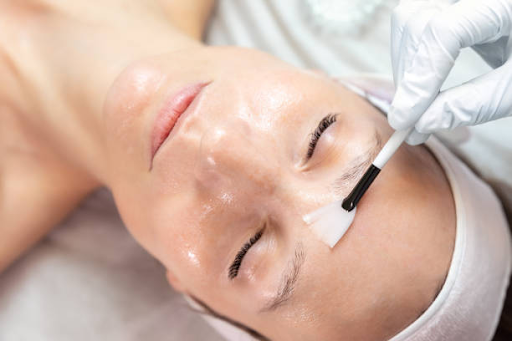
Metropolitan beauty service costs are subject to frequent shifts, influencing your expenses instantly, whether at home or in a salon. For instance, the cost of home salon services in Dubai often rises during demand surges, while other factors quietly influence pricing in the background. You compare treatments, notice differences, and wonder what drives those numbers. Understanding these factors beforehand helps you make decisions grounded in how a fast-moving city market operates
10 Factors That Affect the Prices of Beauty Services in Metropolitan Cities
In the main urban cities, a few core elements determine the prices of beauty services, quietly yet noticeably affecting the total cost of the service:
1. Location-Driven Cost Pressure
Beauty services in major metropolitan areas often mirror the expense of operating in high-value commercial zones. Rent rises quickly in busy neighborhoods, and those costs influence the rates you pay. Likewise, studios positioned close to luxury retail areas or major transportation routes typically carry greater overhead, affecting their rates. So, while choosing a prime location might boost convenience for you, it raises the financial commitment behind every appointment.
2. Experience & Skill of the Technician
Prices often reflect the professional’s advanced training, skill, and accumulated experience over time. Extensive hands-on experience creates stronger results, which naturally leads to higher demand. Many metropolitan stylists also invest heavily in ongoing education to stay aligned with industry shifts. However, while that extra learning builds precision and safety and delivers better outcomes, the cost reflects the value of a seasoned hand, especially in competitive markets with multiple skill levels.
3. Brand Identity & Market Positioning
Some urban beauty businesses position themselves as premium destinations, and that strategy shapes their price structure. For example, a studio focusing on luxury touches, elevated service rituals, or high-end presentation typically builds a distinctive identity that commands higher fees. Everything from interior design to service experience contributes to that perception, but the cost of creating premium surroundings is passed on to customers in the final price.
4. Quality of the Products Used
Beauty services rely heavily on the formulas used throughout the appointment, and metropolitan providers often choose advanced or ethically sourced products. Superior ingredients, dermatologically tested materials, or specialty lines significantly influence the expense of each treatment. Higher product cost means more consistent results, longer wear, and better protection for your skin or hair, but also higher costs. In other words, when a provider selects top-tier items rather than basic alternatives, pricing naturally adjusts to reflect that upgraded standard.
5. Demand Fluctuation Throughout the City
Rates shift when client traffic varies across different neighborhoods, seasons, or event periods. Metropolitan demand shifts with holidays, travel trends, and lifestyle patterns, often making appointments harder to find and services more expensive. Slower months may bring adjustments in the opposite direction. These fluctuations influence what you pay because businesses respond to real-time market behavior, ensuring their schedules remain balanced and viable year-round.
6. Service Duration & Appointment Complexity
Longer, more detailed treatments require additional time, tools, and focused attention, which affects pricing. Similarly, intricate services involving multiple steps or customization demand greater precision. Many metropolitan clients request tailored techniques, extended consultations, or layered enhancements, and all of those elements add to total effort. At the end, the more complex the appointment, the more resources a provider must dedicate. That dynamic naturally impacts cost and determines how each service is valued.
7. Equipment & Innovation
Modern beauty treatments often rely on digital tools, advanced devices, or specialized machines. Urban studios frequently update equipment to remain competitive, and those upgrades come with high acquisition and maintenance costs. When a provider integrates innovative technology meant to improve outcomes or reduce downtime, that investment influences the final price.
8. Employee Compensation & Operational Structure
Salaries, training programs, and staffing models affect prices significantly in metropolitan environments. Talented staff seek fair wages, especially where urban living costs are steep. Salons support them with professional development, incentives, and dependable back-of-house teams. These internal commitments ensure quality but also raise operational costs. In short, if a studio prioritizes strong talent and structured management, the financial responsibility behind that decision often appears in the rates clients encounter.
9. Compliance & Safety Protocols
Urban at-home and in-house salons comply with strict health standards. Therefore, inspections, ongoing staff development, and upgraded equipment raise internal expenses, which affect the prices charged to customers.
10. Client Experience & Added Amenities
Some studios offer comfort elements that enhance your visit. These may include extended consultations or tailored aftercare guidance. Enhanced experience features require staff attention, upgraded materials, and additional preparation time. While these perks elevate your comfort and satisfaction, they also influence pricing.
Conclusion
Many residents are often taken aback by the changing prices of beauty services in urban areas. What people often overlook is that beauty service costs in these areas shift due to consumer trends, market demands, and other influences. Knowing these factors ahead of time and how they impact pricing allows you to select treatments that match your style, comfort, and budget. It also helps avoid surprises.
